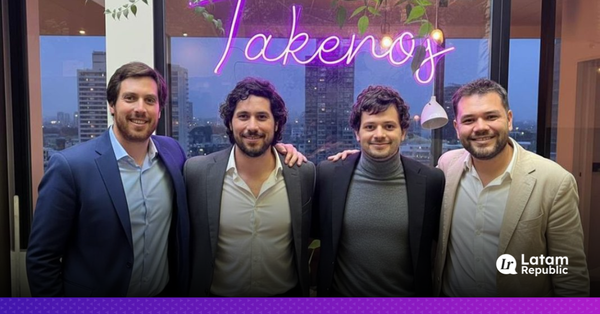
Argentine AI Startup Hashi Reaches 18 Countries With Chilean Launch

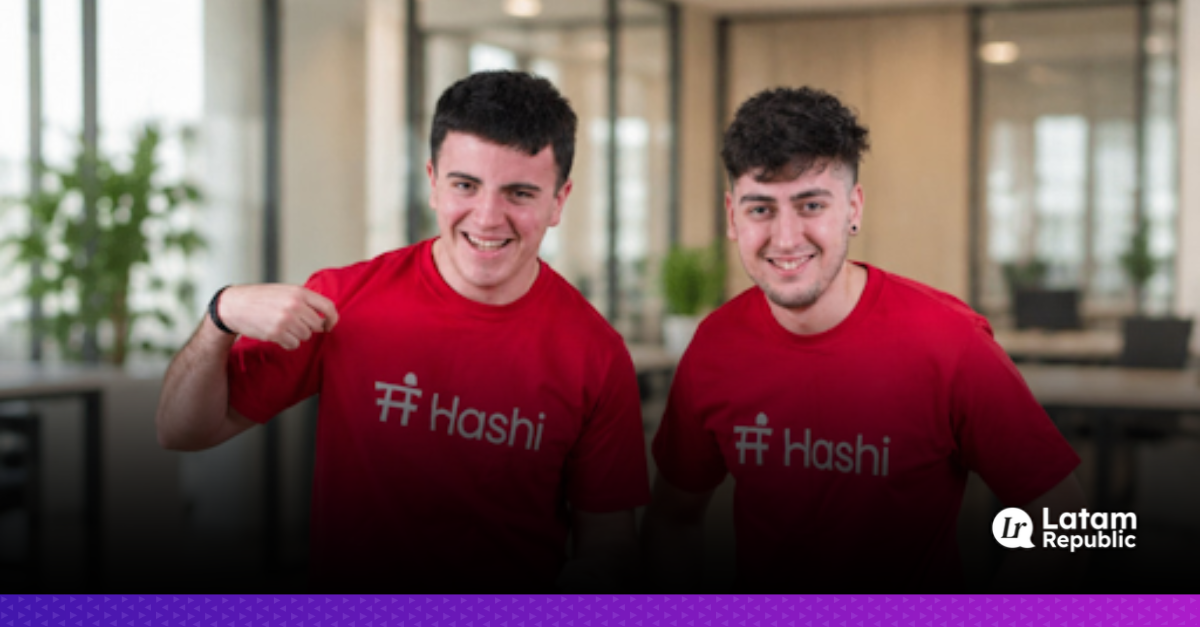
Argentine artificial intelligence startup Hashi has launched operations in Chile after raising USD 4 million from First One Capital, Brasil Venture Capital, Utec Ventures, Chilean businessman Salvador Said, and more than 25 angel investors, extending a regional expansion that has taken its platform to 18 countries.
The angel group includes CEOs and CMOs from companies such as Rappi, DHL, Ripio, G4S, Lazo, and Bantrab, the Guatemalan bank. First One Capital is based in the United States, while Utec Ventures is from Peru. The company did not disclose its valuation or the size of each investor's contribution.
Personalized Video at Scale
Founded in 2023 by CEO Gonzalo Waisman and Tomás Ferreira, Hashi offers a platform for creating AI-generated videos with hyperrealistic avatars, synthetic voices, and automation tools. Its main differentiator is a set of workflows that automate the creation, adaptation, personalization, and distribution of content at scale.
In practice, a company can generate thousands of personalized videos from its customer database, inserting variables such as a client's name, product, or offer, and send them through WhatsApp, email, or SMS. Typical uses include marketing, sales, internal communications, training, and customer experience, giving large companies a way to replace one-size-fits-all campaigns with individualized messages sent through the channels their customers already use.
Named clients include PepsiCo, Hyundai, and Pollo Campero, the restaurant chain founded in Guatemala. Hashi now serves more than 500 clients in 18 countries across 12 industries, up from just over 100 clients in nine countries in March 2025, a roughly fivefold increase in its customer base in about 18 months.

Chile as the Next Step
Camila García leads the Chilean operation as country manager. Her mandate is to develop the corporate market, drive platform adoption, and build strategic alliances, with a focus on banking and financial services, retail, automotive, insurance, and real estate.
"Chile is a fundamental step on that path," Waisman said of the company's regional growth. García added that the team sees "a great opportunity in Chile."
Hashi will exhibit in the Tech Startups zone at EtMday 2026, organized by Emprende tu Mente, where Waisman is scheduled to speak on Nov. 20.
AI Moves From Pilot to Production
The expansion reflects a broader shift in how Latin American companies approach artificial intelligence. Dealroom described a regional move from AI experimentation toward embedding it in daily operations, with Waisman saying the next step for businesses is to "integrate it into their processes."
Investors in Chile see the same trend. At Chile Day in London, Brian Walsh, director of Copec Wind Ventures, said almost 70% of investment is going into AI, which his firm views as a shift in corporate efficiency. Chile also recorded a record 20 startup exits in 2024, according to Chile Day director Francisco Guzmán.
Regional capital remains available for companies with traction. LAVCA reported that early-stage rounds attracted USD 2.2 billion in 2025, about 52% of Latin American tech venture investment, and that the region's AI startups focus mainly on enterprise applications, the segment where Hashi competes. Brazil led the region in total funding, while Mexico narrowed the gap and trailed by 14%.
What It Means for Regional Business
For brands operating across Latin America, tools like Hashi's lower the cost of producing localized, personalized content in multiple markets, a task that traditionally required production teams and long timelines. Delivery through WhatsApp, email, and SMS adds reach in markets from the Southern Cone to Central America.
The participation of executives from regional companies such as Bantrab and the presence of Pollo Campero among its clients also show that the platform's reach already extends beyond South America into Central America's business community.
With fresh capital and a dedicated team in Chile, Hashi now aims to win over Chile's large companies in banking, retail, and other sectors, adding another market to a footprint that already spans 18 countries.
Source: Startupslatam