Brazilian Startup A5X Raises US$70 Million in Series D at US$525 Million Valuation
A5X raises US$70 million in a Series D round to build a derivatives exchange in Brazil and compete with B3, targeting a 2027 launch.

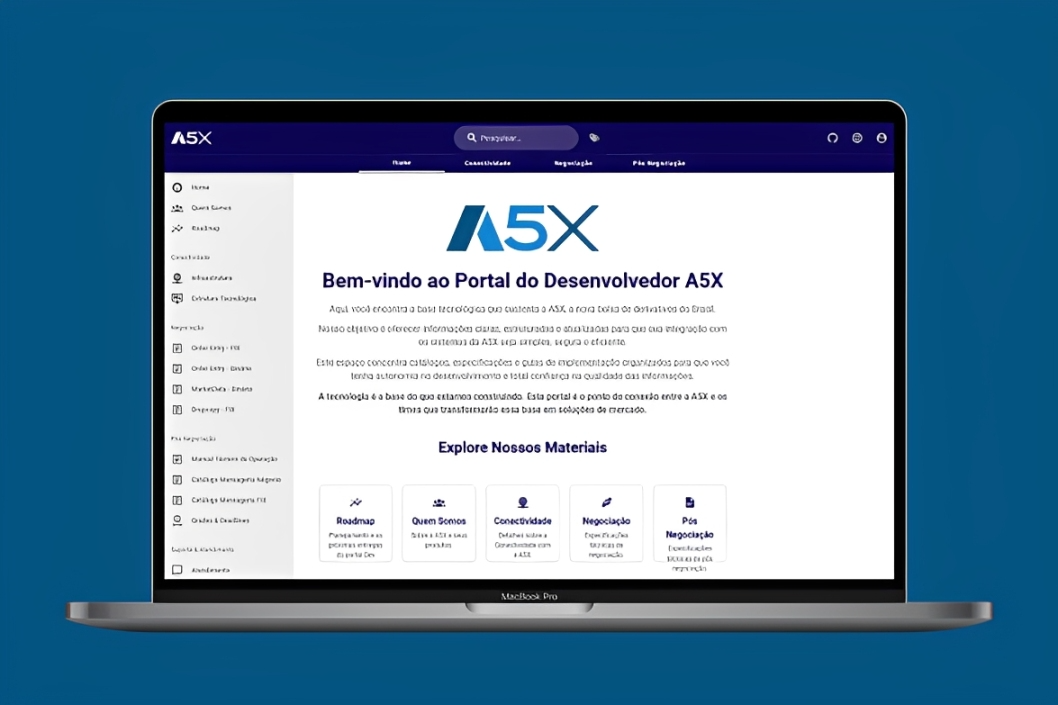
A5X, the Brazilian startup developing a new derivatives exchange to compete with B3, has raised approximately US$70 million (R$360 million) in a Series D round announced on September 14, 2026. The investment values the company at around US$525 million (R$2.7 billion) post-money and brings major financial institutions and market participants into its investor base.
A5X brings major financial players into its latest round
The Series D includes Morgan Stanley, Goldman Sachs and Latin American venture fund Kaszek as new investors. Existing backers also participated, including market makers IMC, Jump Trading, Optiver and XTX Markets, as well as ABN AMRO Clearing.
The round also involved XP, which exercised a purchase option, while Itaú's brokerage arm has been an investor in A5X since 2024.
With the latest financing, the company has raised more than US$143 million (R$730 million) across four rounds since its founding in 2023.
Building an alternative to B3
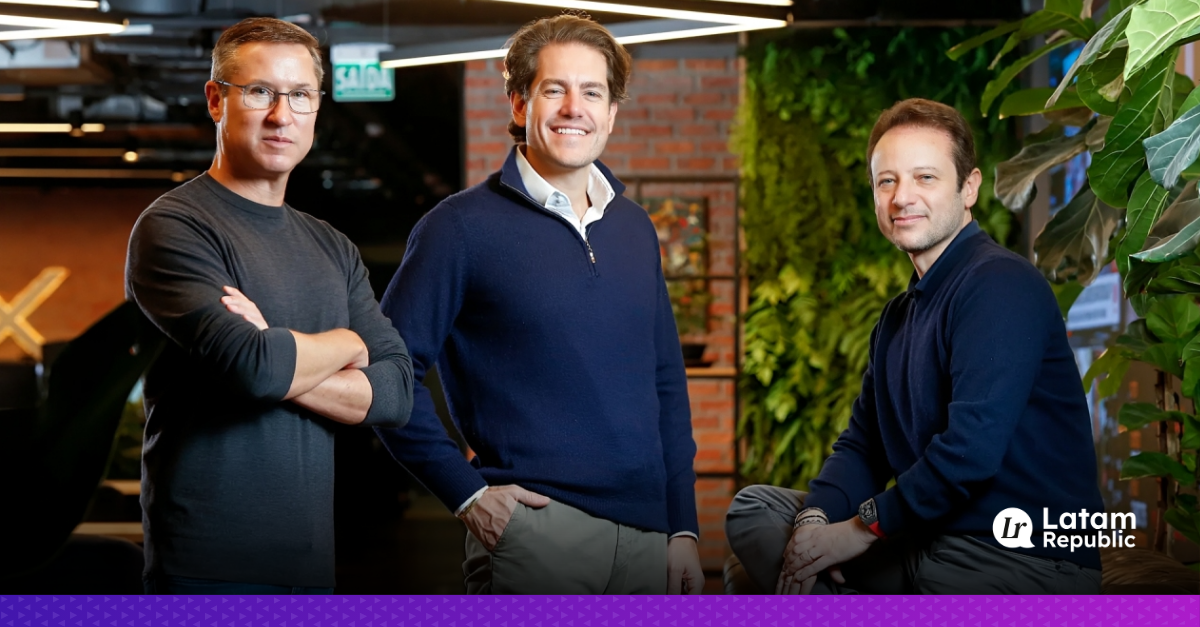
A5X was founded by Chief Executive Officer Carlos Ferreira Filho, co-founder Karel Luketic, both former XP executives, Nilson Monteiro, who built Link brokerage and later founded Ideal, which was sold to Itaú in 2022, and capital markets attorney Julian Chediak.
The company's planned exchange will list futures and options on stock indices, individual stocks, currencies, interest rates and crypto assets.
Unlike a model that relies on B3 for clearing, A5X plans to operate its own central counterparty. Its technology is being supplied through an agreement with the London Stock Exchange Group.
The company is now targeting the second quarter of 2027 to begin trading. This represents a change from its previous expectation of launching in late 2026. Before that, regulator connection testing is scheduled for October and November 2026.
A5X is still awaiting authorization from Brazil's securities commission and the central bank.
Why the derivatives market matters
B3 has been the only venue in Brazilian listed markets for more than a decade, while the derivatives segment represents a significant portion of its revenue.
According to a note cited by Money Times, Goldman Sachs estimated that listed products represented 32% of B3's revenue in 2023. Approximately 8% came from equities, while 24% came from fixed income, currencies and commodities contracts.
That revenue segment grew at a 16% compound annual rate between 2016 and 2023, even as average fees per contract declined by approximately 4% annually during the same period.
Goldman Sachs has also pointed to a limitation for A5X's competitive impact: the new exchange would need to develop its own contracts rather than simply replicate B3's products to significantly affect the incumbent.
The investment bank maintained a neutral rating on B3, partly because it considered competitive risk to already be reflected in the company's stock discount.
A5X is not the only company seeking to introduce additional competition. Base Exchange has also been pursuing a similar market opening.
The investors are also potential users
One of the notable aspects of the latest financing is the profile of its new investors. Morgan Stanley and Goldman Sachs are not only providing capital; they are also potential users of the new trading venue.
The model resembles the approach behind the creation of Members Exchange in the United States and BATS, where market participants were involved in supporting alternative trading venues.
For A5X, having market makers such as Jump Trading, Optiver and XTX Markets, alongside clearing institution ABN AMRO Clearing, provides an investor base closely connected to the infrastructure and activity the exchange intends to attract.
As A5X co-founder Karel Luketic stated:
“Competition is expected to foster innovation and technology advancement, and lead to better pricing.”
A5X and the regional implications of a second venue
The development of A5X also reflects a market structure more commonly associated with the United States, where equity and derivatives trading has operated across multiple venues for two decades.
The firms backing A5X include market makers and clearing institutions that have experience operating within fragmented trading environments. Their participation positions the project around the potential for a second Brazilian venue to compete through pricing and attract trading volume.
For Morgan Stanley and Goldman Sachs, the investment represents both a potential return opportunity and a hedge against execution costs in one of the largest emerging-market derivatives pools.
In Brazil, the potential impact centers on the cost of hedging. Dollar and interest rate futures traded through B3 are used by Brazilian companies, banks and foreign investors to manage currency and interest-rate exposure.
A second venue could put pressure on trading fees, while also introducing a challenge around liquidity. Splitting trading activity across venues can affect the liquidity that makes derivatives contracts usable.
The regulatory framework will therefore need to address whether operating two central counterparties in a market of this size strengthens the financial system or fragments the collateral supporting it.
A delayed launch adds another variable
The timing of A5X's launch has also shifted. Moving the expected opening from late 2026 to the second quarter of 2027 gives B3 an additional two to three quarters before the first competing contracts begin trading.
During that period, B3 will have additional time to adjust pricing and secure clients ahead of the arrival of A5X.
For the Brazilian startup, the next milestones will include regulatory connection testing in October and November 2026, followed by the pending authorizations from Brazil's securities commission and central bank before trading can begin.