Grupo Omni Bets on Jüsto’s Comeback with US$100M and New Management
Grupo Omni acquires Jüsto and plans a US$100M relaunch without its founder, aiming to restructure the failed quick commerce model and revive operations in Mexico.


Grupo Omni has acquired the digital supermarket Jüsto and is preparing a relaunch that will not include the return of its founder as CEO. The move opens a new chapter for the startup, which shut down operations in December after six years in the quick commerce sector.
Grupo Omni acquires Jüsto and reshapes its leadership

Grupo Omni, the Costa Rican investment group led by entrepreneur Moisés Chaves, also an investor in Mexican bank Bankaool, has acquired Jüsto, the digital supermarket that ceased operations on December 15. As part of the relaunch strategy, the new owners confirmed that the company’s founder will not return to the CEO role.
The acquisition includes a capital injection of US$100 million during the first year, aimed at restructuring the company financially and administratively. Jüsto had previously raised more than US$300 million from investors including General Atlantic, Bimbo Ventures, Mountain Nazca, Foundation Capital, Femsa Ventures, and 500 Startups.
Founder exits as new management takes over
Ricardo Weder co-founded Jüsto in 2019 alongside Alejandro Sisniega and served as CEO until the company’s closure. Under the new ownership, the founding team will not return to executive management, marking a clear shift in leadership.
Grupo Omni announced it will reactivate more than 500 former Jüsto employees, primarily in operational roles. However, significant changes are planned at the management level, as the new owners believe leadership decisions may have contributed to the company’s previous difficulties.
Why Grupo Omni is replacing the founding team
The new administration will implement a full financial and administrative restructuring designed to ensure Jüsto’s long-term viability. While operational staff will largely remain, the management layer is expected to undergo a substantial overhaul.
Sources close to the process indicate that accelerated international expansion and strategic partnerships that failed to resolve structural issues complicated the company’s operations. These factors likely influenced Grupo Omni’s decision to install a new leadership team rather than retain the previous structure.
Negotiations are currently underway with Jüsto’s existing investors to determine whether they will remain involved under the new ownership model, as the company works to resume operations as soon as possible.
The collapse of a US$300 million-backed model
@urielestradatv CIERRA JÜSTO Y PRENDE ALERTAS EN EL E-COMMERCE 🛒📉 #jüsto #breakingnews #urielestrada #foryou #parati ♬ sonido original - Uriel Estrada
Jüsto announced its shutdown on December 15, just 14 months after raising US$70 million in its most recent funding round. The company cited financial, operational, and strategic challenges that made continued operations impossible.
At the core of the crisis were negative unit economics, driven by high operating costs, extremely thin margins, and intense competition from giants such as Walmart, Amazon, and Chedraui. Even with over US$300 million in total funding, the business model proved unsustainable.
In the months leading up to the closure, Jüsto exited Brazil and Peru. In November 2024, it announced its withdrawal from Peru as part of a strategic restructuring. In December, it exited Brazil, a market it had entered in 2021 through the acquisition of local player Freshmart during the pandemic boom.
Strategic decisions that accelerated the downturn
Rapid international expansion significantly strained the company’s finances. Entering Brazil before achieving profitability in Mexico increased operational complexity and accelerated cash burn, revealing that the model required a scale and logistical efficiency few companies can achieve before exhausting capital.
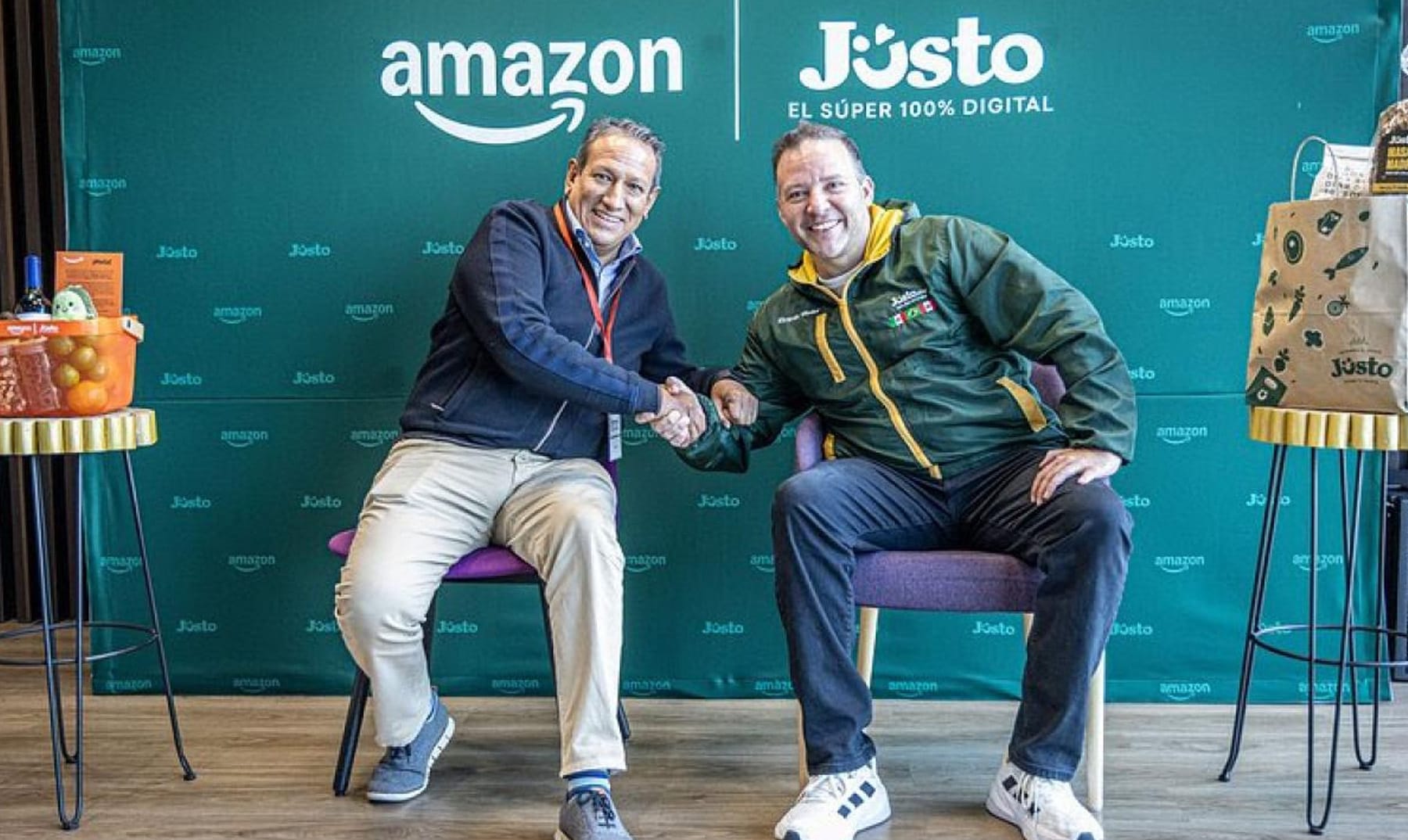
In Mexico, Jüsto announced a strategic collaboration with Amazon in November 2024, which expanded by February 2025 to key regions such as the State of Mexico and the metropolitan areas of Monterrey and Querétaro. While the partnership appeared to offer a path to higher volume and lower customer acquisition costs, it arrived too late and failed to resolve structural issues.
Ultimately, Amazon Now absorbed demand without fully integrating Jüsto, showing that the alliance did not become the lifeline the startup urgently needed.
What the rescue means for the startup ecosystem
Grupo Omni’s acquisition represents a rare case in Latin America: the rescue of a high-profile startup after its collapse. While most startups disappear after shutting down, Jüsto is getting a second chance under new ownership and fresh capital.
Grupo Omni acquired shares in Jüsto USA, the holding company, and committed to investing US$100 million in the first year. This funding will support the operational restructuring required to relaunch the service on more sustainable foundations.
Lessons for quick commerce in Latin America
Jüsto’s closure adds to a growing list of quick commerce failures in the region. Jokr, one of its main competitors, exited Mexico in 2022, reinforcing the idea that the model faces structural challenges in Latin America.
The case offers clear lessons for the ecosystem. In an environment where investors demand efficiency and profitability, digital retail startups must rethink their strategies. International expansion must be gradual and sustainable, and venture capital no longer tolerates business models with indefinite structural losses.
Other media outlets have attempted to contact Ricardo Weder regarding his departure and future plans but have not received a response. Further details are expected in the coming days, as Jüsto’s rescue highlights that even well-funded startups may require drastic leadership changes to secure a second opportunity.