
How Cora is transforming regulatory compliance in Mexico with artificial intelligence
Mexican startup Cora uses AI to automate regulatory compliance, helping companies avoid fines and manage complex regulatory processes in Mexico.


Cora, a Mexican startup focused on regulatory compliance automation, is helping companies navigate increasingly complex regulations using artificial intelligence. Founded in 2023, the company has already completed more than 7,000 regulatory processes with zero sanctions among its clients, offering organizations a way to manage compliance faster and reduce the risk of costly penalties.
In Mexico, regulatory compliance has become a growing challenge for companies across industries, as authorities strengthen oversight and enforcement.
Regulatory compliance becomes a financial risk for companies

Compliance is no longer just an administrative process. In recent years, regulatory oversight in Mexico has intensified significantly.
In 2024, the National Banking and Securities Commission (CNBV) registered around 800 fines related to anti-money laundering deficiencies, representing a 162% increase compared to the previous year. Meanwhile, between October and December 2024, the Federal Commission for the Protection against Sanitary Risk (Cofepris) announced more than 130 sanction procedures, highlighting the growing regulatory pressure companies face.
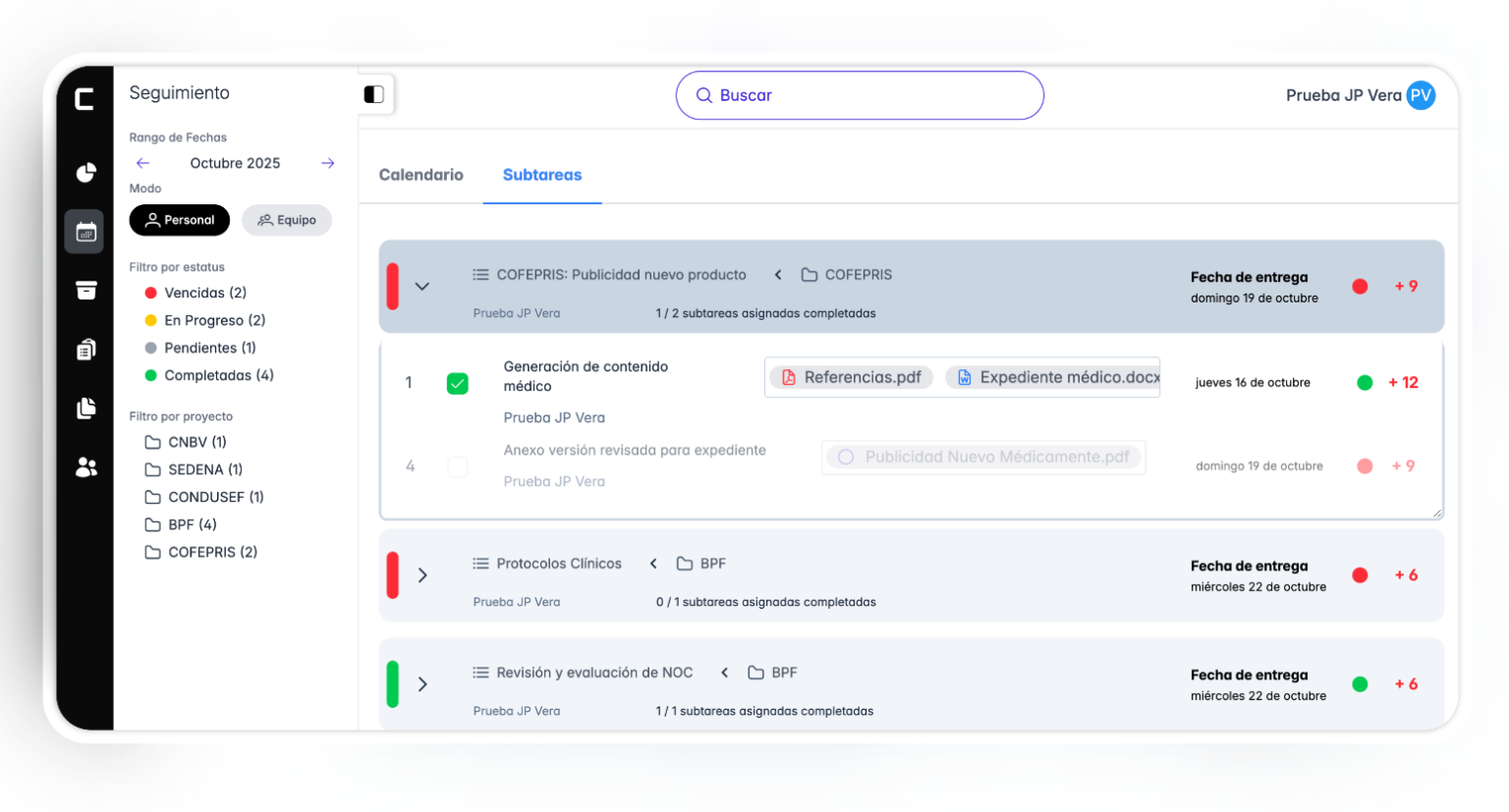
Against this backdrop, Cora has developed an artificial intelligence platform designed to automate and manage regulatory compliance processes. The system allows organizations in sectors such as healthcare, manufacturing, energy, and food to reduce the time required to prepare regulatory filings from weeks to just hours, while also identifying potential risks before they lead to sanctions.
“Regulation changes constantly, processes are increasingly bureaucratic, and this has become an obstacle for the growth and survival of businesses,” said Juan Pablo Vera, co-founder and COO of Cora.
Three major regulatory threats companies face
Based on its experience managing thousands of regulatory procedures, Cora has identified three key challenges that companies must address.
Costly fines
Penalties for non-compliance can reach millions of dollars depending on the industry and severity of the violation. For early-stage startups, a single fine may threaten their operational viability.
Manual and unsustainable processes.
Preparing a regulatory dossier can require reviewing thousands of documents. In the case of sanitary registrations with Cofepris, compliance guidelines alone can exceed 50 pages of requirements.
Constant regulatory updates.
Regulatory frameworks evolve faster than many companies can adapt. Even minor documentation errors or delayed filings can result in suspensions of operations.
Cora addresses these issues with AI tools that identify upcoming deadlines, validate documentation, track regulatory updates, and centralize compliance records according to each authority’s requirements. By doing so, the platform transforms compliance into a competitive advantage, allowing companies to operate without regulatory interruptions and expand with greater certainty.
The CTD transition expected in 2026

A major regulatory shift is expected in May 2026, when Cofepris plans to introduce the mandatory electronic Common Technical Document (CTD) format for all sanitary registrations.
The CTD is an international standard that organizes technical and sanitary information in a structured format, enabling authorities to conduct faster and more efficient reviews.
However, the transition could be challenging for many organizations. Most companies still rely on physical documentation, and only a limited number have the digital infrastructure needed to adapt to the new standard.
“This transition is not optional. Companies that fail to adapt could be forced out of operation or face significant delays in permit renewals and product launches,” Vera explained.
To support this transition, Cora’s platform allows companies to structure documentation under the CTD format, automate the creation of digital regulatory files, and maintain full traceability throughout the entire compliance process.
Compliance as critical infrastructure for startups
For founders building in regulated industries — including foodtech, healthtech, manufacturing, and energy — regulatory compliance is increasingly seen as critical infrastructure rather than a secondary concern.
Delays in permits or approvals can postpone product launches, block expansion into new markets, or even prevent companies from raising capital.
Cora aims to level the playing field by enabling organizations of any size to operate with the same compliance standards typically maintained by large corporations with dedicated legal teams. By automating regulatory workflows, the platform helps companies reduce risk, accelerate processes, and focus on growth instead of regulatory setbacks.
“Today, complying correctly and on time is a decisive factor separating companies that can compete from those that are pushed out of the market,” Vera concluded.
In an environment where regulations evolve faster than many companies can adapt, Cora is building the infrastructure that enables organizations to navigate Mexico’s regulatory complexity without compromising growth or operational stability.