Media for Equity Investors in Latin America: A Guide to the Key Players


The Media for Equity (M4E) model has emerged as one of the most disruptive tools for startup growth in a market where visibility has become the scarcest and most valuable asset. While customer acquisition costs in many cases exceed 40% of the capital raised by a company and more than 3 million new startups compete every year for the attention of their potential customers, Latin American media conglomerates are turning their advertising inventory into strategic venture capital.
Visibility Is the New Moat
The evolution of the venture capital ecosystem has completely reshaped expectations for seed rounds. Five years ago, a functional MVP was enough to attract investment. Today, founders must show early traction, clear signs of differentiation and, above all, the ability to build a brand in an ocean of competitors. As Chamath Palihapitiya, former Facebook executive and CEO of Social Capital, points out, startups spend nearly 40 cents of every VC dollar on ads on Google, Facebook and Amazon.
This dynamic has turned media and communication platforms into venture capital players that are far more sophisticated than they may appear at first glance. They do not just offer advertising inventory; they provide credibility, massive reach and, most importantly, social validation in markets where trust is the real currency.
As Peter Thiel notes in Zero to One, “You should never assume that people will admire your company without a public relations strategy. Even if your specific product doesn’t need media exposure to get customers, the press can help you attract investors and employees.”
The Main Players in Latin America
Across Latin America, there is a group of organizations driving media for equity strategies tailored to the different needs, stages and markets of the region. Some reach audiences of millions of people, while others specialize in highly focused decision‑maker niches. All of them share the same goal: to become value‑adding partners that help Latin American startups grow.
Union Bravo: The Spanish‑Language Giant with Global Ambitions
Union Bravo represents the venture capital arm of TelevisaUnivision, the largest Spanish‑language media conglomerate in the world. With a combined audience of more than 100 million Spanish speakers across the United States and Latin America, this firm does more than invest capital: it distributes influence.
Investment Thesis: Union Bravo focuses on later‑stage B2C startups, typically when they have already reached unicorn status or are on the verge of doing so. Its model targets companies that can leverage TelevisaUnivision’s massive scale to accelerate adoption in Hispanic markets.
Portfolio: The firm has backed some of the most disruptive players in the region:
- Kavak (Mexico): A technology platform that buys, refurbishes, finances and sells pre‑owned cars, offering secure transactions, warranties and fully digital processes across several Latin American markets.
- Rappi (Colombia): A Latin American super‑app that evolved from restaurant delivery into an ecosystem integrating supermarkets, financial services, travel, entertainment and more, already operating in multiple countries in the region.
- Ualá (Argentina): A fintech that offers an ecosystem of digital financial solutions—including prepaid card, payment account, credit products and money‑management tools—to simplify personal finance and promote financial inclusion in Latin America.
Differential Advantage: Union Bravo’s strength lies in its ability to create multi‑platform campaigns that span broadcast TV, streaming (VIX), radio and live events, offering exposure that no traditional venture capital firm can replicate.
ISA Capital: Dominating Physical Ad Space
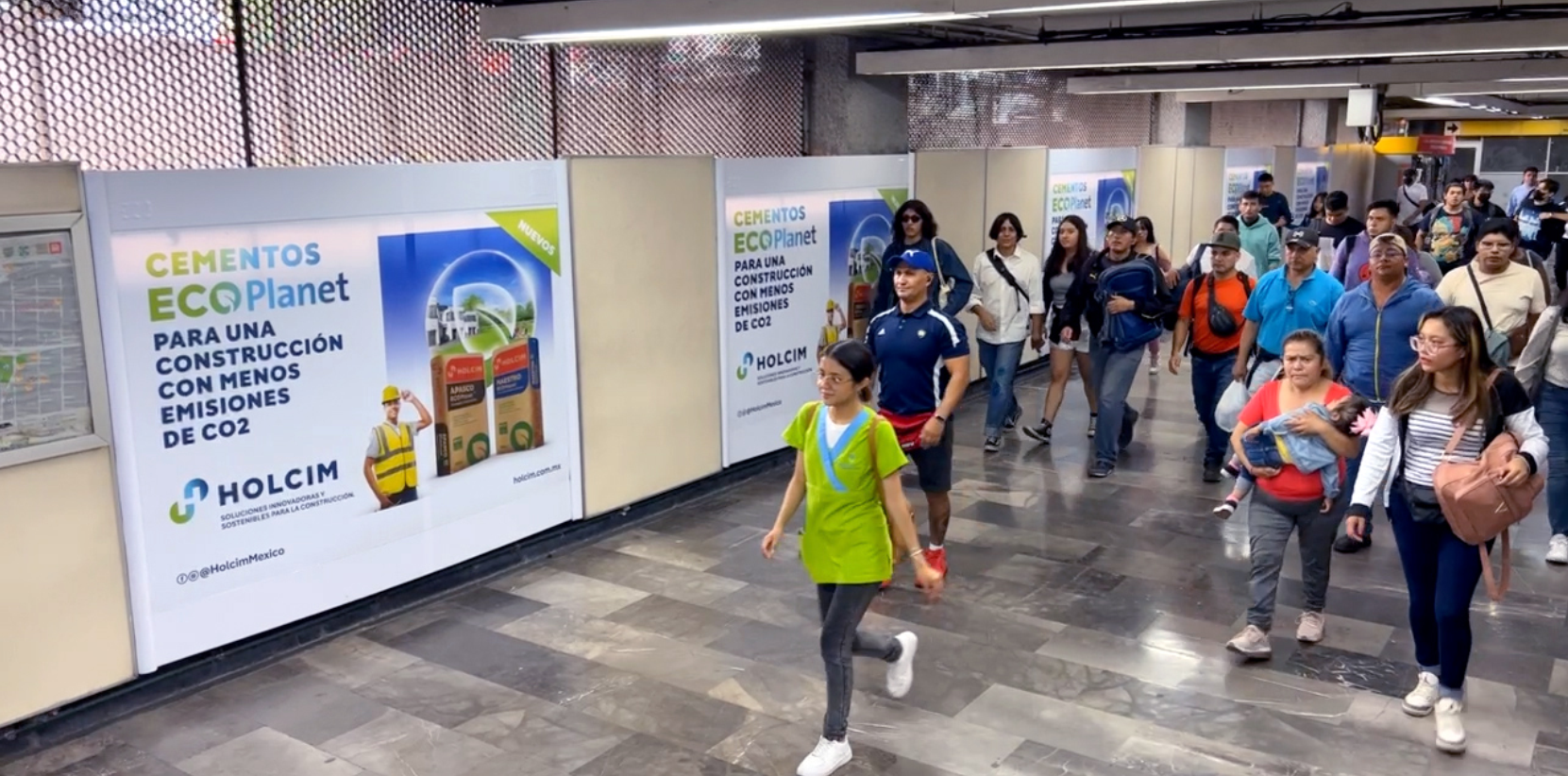
Operated by ISA Corporativo, this firm controls one of the largest networks of advertising screens in Mexico, with more than 32,000 placements across airports, tunnels and subway systems. In a world where digital attention is saturated, ISA Capital offers access to captive audiences at moments of high purchase intent.
Value Proposition: Its thesis is based on the belief that advertising in high‑traffic physical environments (international airports, subway stations in cities of millions of inhabitants) generates a stronger brand return than purely digital efforts. For B2C startups seeking to build trust with mass‑market consumers, this kind of exposure is invaluable.
Regional Strategy: Although specific information about its portfolio is less public, ISA Capital’s dominant position in Mexico makes it an inevitable strategic partner for any startup aiming to scale in the Mexican market, the second‑largest economy in Latin America.
Cuantico VP: The B2B Specialist That Understands Investors

Cuantico VP operates the media network of ILB Media Group, building what is arguably one of the most sophisticated market‑intelligence platforms for the venture capital ecosystem in the region. Its recent strategic alliance with Startuplinks strengthens its position as the only M4E firm in Latin America fully specialized in early‑stage B2B startups.
A Unique Market Thesis: While most M4E funds chase mass‑market consumer startups, Cuantico VP invests in companies that sell to other businesses. Its ultra‑specialized audience—senior executives, institutional investors and founders—represents decision‑makers managing more than US$3 billion in assets every year.
Curated Portfolio:
- Edtools: A Colombian edtech that offers an end‑to‑end, AI‑powered education management platform, integrating admissions, student support, finance and administrative operations to boost enrollment, retention and efficiency across Latin American institutions.
- Startuplinks: A Spanish‑language venture capital platform and community that helps pre‑seed and seed startups in Latin America understand how VC works and connect with more than 270 institutional investors through content, directories and specialized tools.
- SilverLac: A digital hub and community focused on the silver economy in Latin America and the Caribbean, mapping startups, projects, trends and data around the 50+ market, and creating content, interviews and resources for organizations and individuals interested in this fast‑growing segment.
Network Advantage: Cuantico VP’s ability to transform data, trends and analysis into strategic visibility means they do more than invest media—they shape the narrative that brings more capital into the ecosystem.
Grupo RPP Ventures: The Voice of the Andes
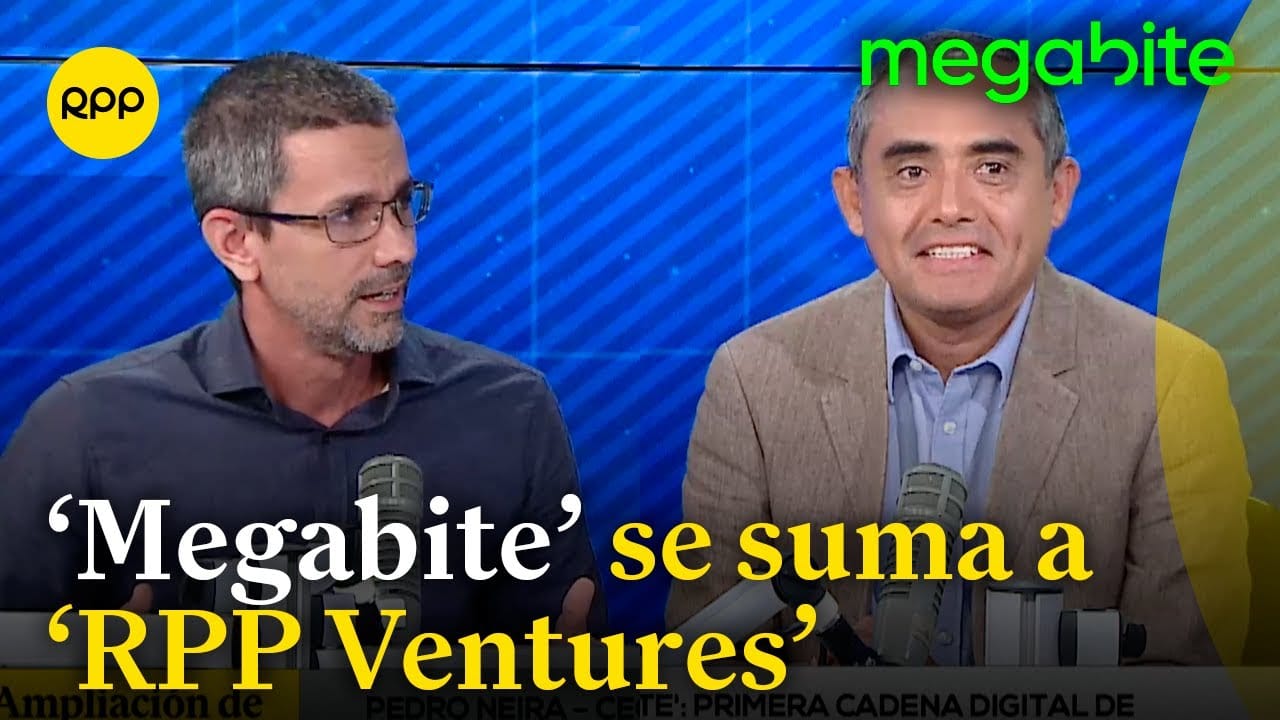
As the corporate venture capital arm of Peru’s most influential media conglomerate, RPP Ventures reaches more than 21 million people through its network of radio, television and digital platforms. In a market where media credibility is scarce, the RPP brand stands for trust and authority.
Andean Strategy: Its focus on Peru and the Andean region gives RPP Ventures a distinct edge: it understands the cultural and regulatory nuances of markets that many international funds tend to overlook. Its portfolio includes:
- Kashin: A fintech that offers fully digital nano‑loans and micro‑loans aimed at underbanked populations and entrepreneurs through a mobile app that assesses and grants fast, low‑ticket credit.
- Zapping: An internet‑based TV platform that lets users stream dozens of live HD channels without cables or set‑top boxes, through an app with monthly subscription plans.
- Resten: A startup providing restoration‑related solutions, generally linked to projects that improve spaces or ecosystems, with limited public detail available in open sources.
Value Proposition: Grupo RPP Ventures provides not only visibility but validation. In emerging markets where consumers are wary of unknown brands, RPP’s endorsement can significantly accelerate mass adoption.
4Equity: Brazil’s Growth Machine

Recognized by LAVCA as Brazil’s most active growth‑stage investor, 4Equity represents the most mature M4E model in Latin America. With more than US$90 million in media deals and a portfolio that includes QuintoAndar, Daki and Justos, the firm has shown that M4E can scale exponentially.
Market Thesis: 4Equity argues that B2C startups typically spend 20–40% of their revenue on marketing, and that the M4E model not only reduces cash burn but also eliminates agency fees (up to 30% in Brazil), freeing up additional capital.
Impact Data: According to Media for Growth, startups that sign M4E deals raise 3 times more capital and reach IPO 2 years and 8 months faster than their peers.
As co‑founder Renato Mendes summarizes: “In times of uncertainty and risk aversion, many startups struggle to raise capital — in this scenario, marketing is often the first thing to be cut. Media for equity emerges as an advantageous alternative to keep positioning and growth efforts alive.”
Portfolio:
- QuintoAndar: A proptech that fully digitizes rentals and real‑estate transactions, connecting tenants and buyers with property owners through an end‑to‑end platform that manages everything from search to contract signing.
- Daki: A quick‑commerce and supermarket‑delivery startup that offers ultra‑fast delivery—in minutes—of thousands of grocery, fresh and household products through a mobile app and a network of urban dark stores.
- Justos: An auto‑insurance insurtech that uses driving‑behavior data and AI models to offer personalized pricing and reward safe drivers with fairer policies and monthly discounts.
International Lessons: From Europe to Latin America
The M4E model is not new. It originated in Germany in the 1990s with ProSiebenSat.1 Media, which turned its ad inventory into equity stakes and generated returns that outperformed many traditional funds. In Spain, Media Digital Ventures (backed by Antai Venture Builder) launched the country’s first media for equity fund with US$38 million in ad assets from Atresmedia, Vocento, Grupo Godó and Clear Channel.
European Success Stories:
- Wallapop: Received US$5.5 million in advertising from Atresmedia in exchange for 8% of its equity, with exposure on Antena 3, La Sexta and Onda Cero, which helped catapult its exponential growth.
- Glovo: Mediaset invested US$2.2 million for a 9% stake, giving the startup exposure on Cuatro, Telecinco and Divinity.
- La Nevera Roja: Raised US$6.6 million from Ad4ventures (Mediaset) and Next Chance Invest, combining capital with aggressive media campaigns.
The key lesson the data reveals: startups with M4E deals scale their audience 60% faster in the first 24 months and reduce their CAC by 25% compared to peers funded only with traditional VC.
The Future of M4E in Latin America
The model is evolving beyond traditional advertising. Antai Ventures launched MDV Social Hub, a US$50 million fund that swaps advertising assets in social networks, influencer channels and eSports platforms like Team Heretics. This evolution shows that M4E is adapting to wherever consumer attention is actually flowing.
For Jose Kont of Cuantico VP, the future is clear: “In a world where hundreds of startups are created every day and technological barriers have fallen thanks to AI, the ability to generate visibility and positioning is the critical success factor. Today, differentiation comes from building reputational capital, brand and community.”
The Alchemy of Turning Attention into Capital
Media for equity investors in Latin America are not simply buying stakes; they are converting their most valuable asset—the attention of consumers—into strategic venture capital. In an ecosystem where 80% of startups fail in their first 18 months due to lack of visibility, these media conglomerates offer something money alone cannot buy: credibility, reach and instant validation.
From Union Bravo with its global Spanish‑speaking footprint, to ISA Capital’s control of physical ad space, Cuantico VP’s B2B market intelligence, Grupo RPP’s Andean authority and 4Equity’s Brazilian growth engine, each player contributes a unique piece to the Latin American venture capital puzzle.
The model has proven its value: startups with M4E grow faster, raise more capital and reach liquidity events sooner. As competition for attention intensifies, the question is no longer whether M4E is relevant, but who will be able to leverage it best to build the dominant companies of the next decade in Latin America.