
The Role of CMI in the Rise of Hispanic Food in the U.S.
CMI capitalizes on the growing U.S. demand for Hispanic food through Pollo Campero and Del Real Foods, backed by recent statistics.

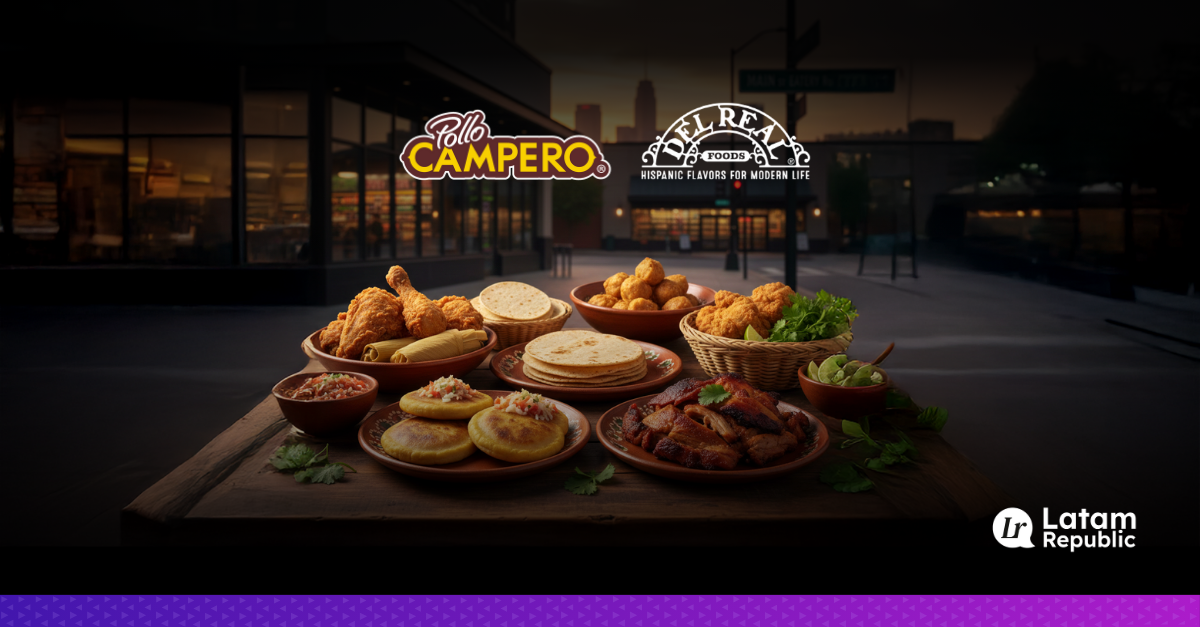
Hispanic food in the United States has moved beyond being a niche segment to become a growing consumer category, appealing both to Hispanic populations and non-Latino consumers. In this context, CMI, Corporación Multi Inversiones, a multi-Latin family-owned corporation, has successfully connected market trends with brands that deliver authenticity and consistency.
Through CMI Foods, the corporation operates in restaurants such as Pollo Campero and offers Del Real Foods products in retail, aligning its offerings with current consumption habits. According to Emergen Research, the U.S. Hispanic food market reached approximately $22.8 billion in 2024 and continues to grow steadily, highlighting the opportunity CMI is capitalizing on in this sector.
Recent Trends in Hispanic Food
The rise of Hispanic food is linked to demographic and cultural factors. The Hispanic population in the U.S. reached 65.2 million in 2023, representing 19.5% of the total population, driving demand for traditional and ready-to-eat foods.
Additionally, non-Hispanic consumers are showing increasing interest in Latin flavors, incorporating tortillas, sauces, and prepared dishes into their regular diets. Market analyses indicate that the expansion of ethnic food categories in retail and restaurants signals that Hispanic food has become a mainstream trend.
These trends show that Hispanic food no longer just satisfies cultural needs; it has integrated into broader consumption habits, expanding the potential customer base and reinforcing opportunities for brands with Latin roots.
CMI Foods and Its Connection to the U.S. Market
Pollo Campero, CMI Foods’ restaurant chain, has managed to establish a strong presence among U.S. consumers through its authentic culinary offerings. In 2025, the brand ranked among the top three fast-food fried chicken chains according to the USA TODAY 10Best Readers’ Choice Awards.
Meanwhile, CMI’s majority stake in Del Real Foods enables the company to offer refrigerated Latin products, such as tamales, carnitas, and pupusas, through retail chains like Target, expanding the presence of Hispanic food in the U.S.
This diversified strategy combines restaurants with ready-to-eat home products, connecting culinary tradition with convenience.
Factors Explaining CMI’s Relevance in This Market
CMI’s link to the rise of Hispanic food in the U.S. can be analyzed through several key elements:
- Culinary authenticity, maintained in recipes and preparation processes.
- Diversification of formats, from restaurants to prepared foods.
- Adaptation to consumption habits without diluting cultural identity.
- Consumer recognition, reflected in ratings and preferences.
These factors enable CMI’s brands to compete in a market where Hispanic food is becoming an established, fast-evolving category.
Back in Latin America, CMI’s credibility is built on decades of operating well-established and trusted food brands that are part of everyday consumption. In markets such as Guatemala and El Salvador, brands like Toledo, Pollo Rey, and Pasta Ina have long-standing recognition, while in the Dominican Republic, Hatuey and Milano hold similar positions of trust. This regional track record reinforces the authenticity behind CMI’s U.S. brands, showing that they are not trend-driven creations, but extensions of a food culture shaped over generations.
Examining CMI’s role in U.S. Hispanic food shows that the corporation has successfully leveraged recent consumption trends through structured and consistent operations. Through Pollo Campero and Del Real Foods, CMI blends cultural identity with distribution formats suited to a diverse market.
This demonstrates how a Central American family-owned company can become a significant player in the U.S., connecting tradition, authenticity, and contemporary consumption habits, and solidifying Hispanic food as a mainstream category that transcends its origins.