Zinit Raises US$8M in a Seed Round led by AltaIR Capital to Scale AI-Driven B2B Procurement in Brazil
Zinit, an AI-powered e-sourcing startup, raised US$8M in seed funding to expand its B2B procurement automation platform in Brazil and the U.S., reaching a US$48M valuation.


Zinit, an AI-driven e-sourcing startup focused on automating corporate procurement processes, has secured US$8 million in seed funding to accelerate its international expansion. Headquartered in Dubai, the company is strengthening its presence in Brazil, where it has operated since May 2025, and advancing its go-to-market strategy in the United States.
Seed round led by AltaIR Capital values Zinit at US$48M
The investment round was led by AltaIR Capital, with participation from DVC, which will also act as a strategic advisor on artificial intelligence-related initiatives. Following the transaction, Zinit reached a valuation of US$48 million, reinforcing investor confidence in its AI-based procurement model.
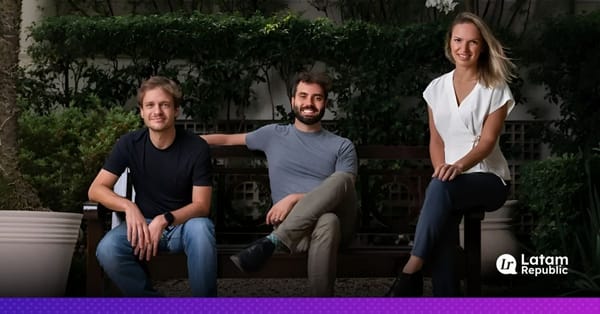
Founded in 2023 by Anton Buzdalin and Andrey Chernogorov, Zinit was built on the founders’ previous experience with Bidzaar, a sourcing platform that processed US$15 billion in GMV. Since launching operations, the startup reports having enabled more than 350 request-for-proposal (RFP) processes, while achieving an average monthly growth rate of 50%.
How Zinit’s AI platform transforms B2B sourcing
Zinit operates a B2B SaaS platform designed to automate the procurement of indirect materials and services, including maintenance, equipment, supplies, software, hardware, logistics, and utilities. The solution connects companies to an ecosystem of over 25 million suppliers, allowing them to publish RFPs, manage negotiations, and contract vendors within a single system.
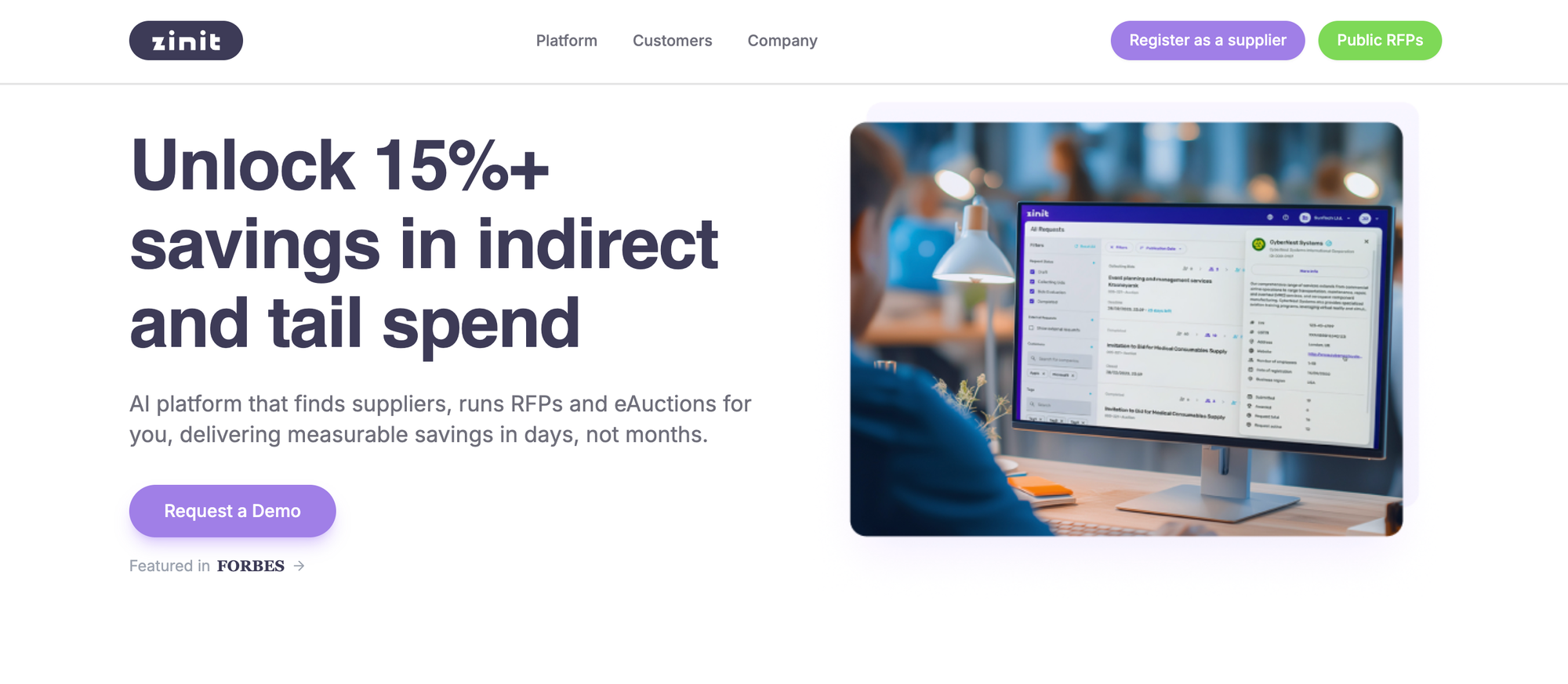
According to the company, its technology leverages artificial intelligence and machine learning to identify, evaluate, and negotiate with suppliers, reducing procurement cycle times and generating cost savings.
Anton Buzdalin, co-founder of Zinit, explains that the platform adapts its functionality depending on the type of spend. “For essential spending, Zinit accelerates sourcing with AI support, combining full transparency, fast integration, and advanced analytics. For indirect and non-essential spending, we offer an autonomous purchasing process,” he says.
Brazil as a strategic market for tail spend digitalization
In Brazil, Zinit’s strategy focuses on the digitalization of tail spend, a segment characterized by low unit-value purchases with high frequency. Sergey Bekker, CEO of Zinit Brazil, highlights the country as a priority market for the company’s expansion.
“Brazil is a strategic market. Companies are looking for efficiency, speed, and governance, and we are prioritizing proofs of concept with local clients to demonstrate how our technology works,” he states.

The Brazilian operation also includes Michel Boczko, Chief Revenue Officer (CRO), who leads the commercial strategy in the country.
According to him, Zinit’s value proposition lies in combining automation with an open ecosystem. “We created a competitive and auditable environment, focused on the digitalization of sourcing processes,” he notes.
Funding to fuel proprietary AI development and global growth
The newly raised capital will be allocated to the development of proprietary technologies, including AI-based negotiation engines, autonomous procurement workflows, pricing algorithms, and tools for the automatic generation of invitations and proposals. Zinit also plans to use the funds to support its expansion in markets considered mature for adopting automated procurement solutions.
Market perspective on AI adoption in procurement
From an industry standpoint, Alexandre Ferraz de Moura, a Procurement and Supply Chain executive and board member at Inbrasc, emphasizes the relevance of practical technological applications.
“Procurement remains a transactional area within companies, and platforms that deliver direct impact on costs and return on investment tend to gain traction,” he says.
Similarly, Cilene Bim, CEO of Nova Solução Consultoria, points to structural challenges in the Brazilian procurement landscape.
“The main bottlenecks are still slow processes, limited visibility into suppliers, and the lack of clear indicators. Solutions focused on automation and data can support changes in how procurement teams operate,” she concludes.