Brazilian Agtech Vereda Secures USD 5.46 Million Seed to Rethink Farm Input Sales

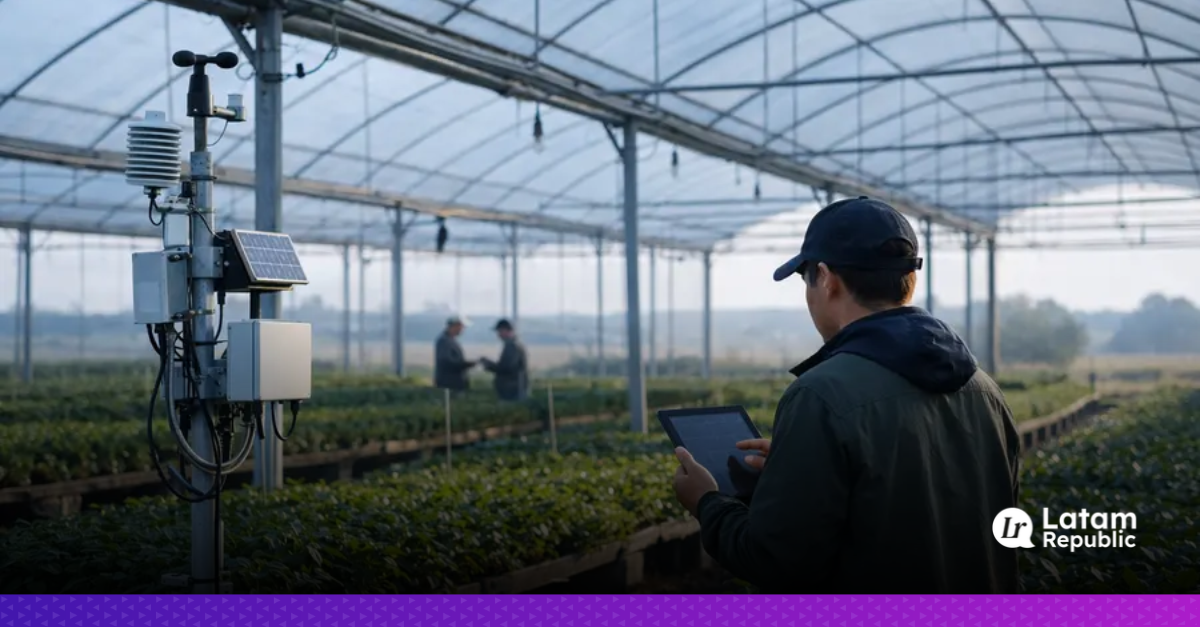
Brazilian agtech Vereda has raised R$30 million, roughly USD 5.46 million, in a seed round co-led by Canary and Valor Capital Group, with participation from a16z Speedrun, to build a direct sales channel between agricultural input manufacturers and farmers.
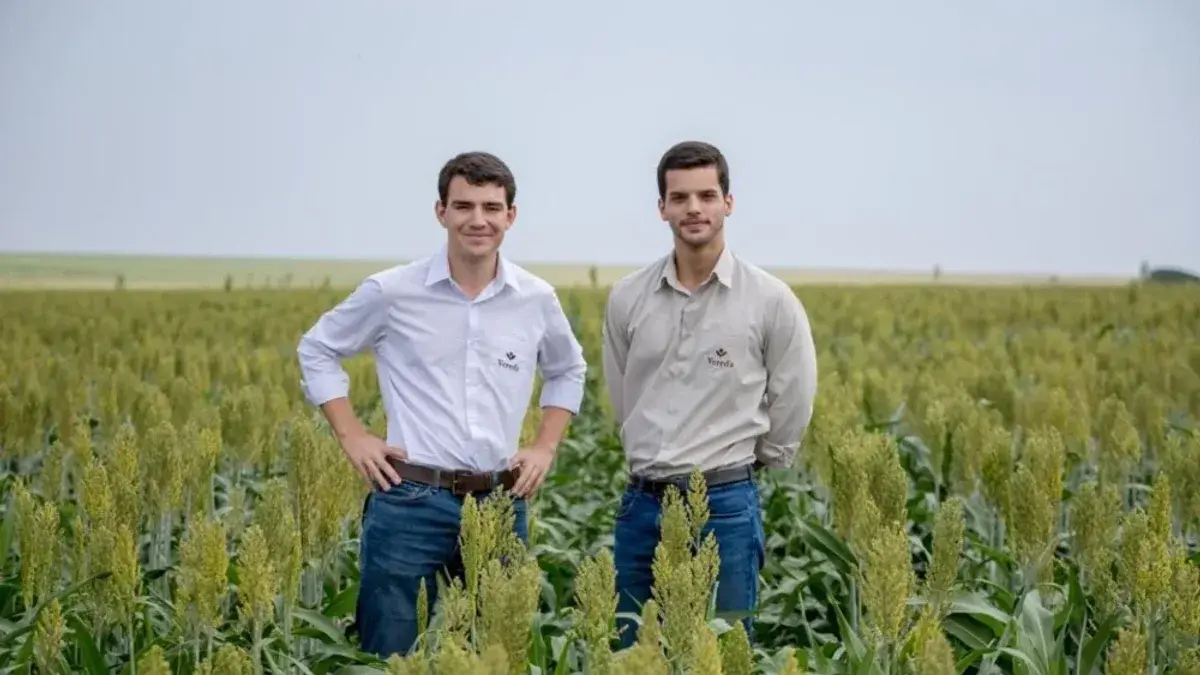
The deal marks the first agribusiness investment by Speedrun, Andreessen Horowitz's early-stage program. Co-founders João Pedro Aguiar de Souza and Pedro Galindo were the first Brazilians selected for the accelerator, and both have personal ties to the country's agricultural sector.
Cutting Out the Middle Layer
Founded in 2025 and based in Rio Verde, Goiás, Vereda acts as the commercial arm of agricultural input manufacturers, selling their products to farmers on commission. The company does not buy or hold inventory, an asset-light model designed to keep costs and risk low.
According to Startups, Vereda operates with its own field team and a network of independent sales agents. Its AI-native system works through WhatsApp, turning farmer requests into recommendations and price proposals. The company says farmers can pay up to 30% less by purchasing directly from manufacturers instead of through resellers.
"There is a consensus that the sector needs a new model, but we don't see anyone doing something structurally different," Aguiar de Souza said. Galindo added that the team is "building AI agents that work alongside our salespeople."
The company also hired João Vieira da Silva Filho as partner and commercial director in its first month. He brings 25 years in the sector, including a role as senior regional sales manager at Nutrien.
A New Approach to Farm Credit
Financing is central to Vereda's plan. Brazilian farmers typically face a seven- to eight-month gap between buying inputs and receiving payment for their harvest, a cycle made more expensive by more than four years of high interest rates.
In the 2026/27 second-crop season, Vereda will pilot a structure in which financial institutions pay manufacturers upfront and finance farmers directly, without Vereda taking on credit risk.
"The industry doesn't want to sell money, it wants to sell product and technology to the field," Aguiar de Souza said.
The short-term priority is consolidating operations in Goiás and expanding its network of manufacturers and farmers, Startup Researcher reported, describing Brazil as the world's agricultural superpower. From 2027, the company plans to scale its financing model and enter new agricultural regions of Brazil.
Why Distribution Is Ripe for Change
The raise comes as traditional input distribution faces strain. Dealroom noted that several Brazilian distributors, including Sagra Insumos Agropecuários, Prime, Sefert, and Soyagro, have recently filed for judicial recovery, underscoring pressure on the reseller model. The same report pointed to Orbia, a competing platform, with more than USD 1.79 billion in cumulative transactions.
The addressable market is vast, with Dealroom estimating it at about USD 700 billion. Brazilian agribusiness GDP grew 12.2% in 2025 to R$3.20 trillion, lifting its share of national GDP from 22.9% to 25.13%, according to CNA and Cepea.
Investor interest in Latin American startups also remains firm at the earliest stages. LAVCA reported that early-stage rounds drew USD 2.2 billion in 2025, about 52% of regional tech venture capital and the highest annual early-stage total since 2022, with Brazil leading the region in total funding.
Lessons for the Wider Region
Vereda's model carries relevance beyond Brazil. Across Latin America, including Central America, many farmers still buy seeds, fertilizers, and other inputs through resellers and depend on them for credit, a structure that Vereda says makes inputs more expensive. A direct, digital channel that runs on a widely used messaging app could lower those barriers in markets where agriculture remains a major employer and export earner.
With backing from a16z Speedrun and two established Latin America-focused investors, Vereda now has to prove that its commission-based, credit-light approach can scale. As Aguiar de Souza put it, the company has built a more sustainable model, and "now we need to prove that it works at scale."
Source: Startupresearcher