
Business Models Transforming Central America's Pharmaceutical Industry
See the business models transforming Central America's pharmaceutical industry, from manufacturing and distribution to healthtech and medical devices.

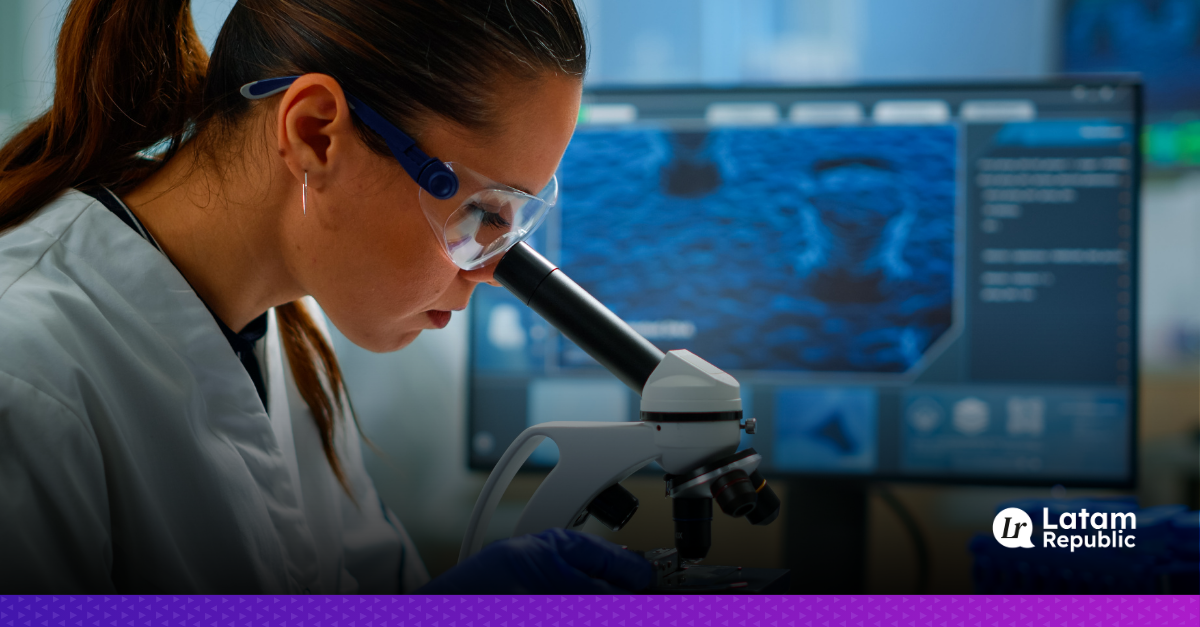
Central America's pharmaceutical industry is advancing through companies that address different needs within the same value chain. Some develop and manufacture medications; others represent international brands, manage registrations, import, and distribute. Pharmacy chains, digital platforms, medical device providers, and specialized operators are growing around them.
This diversity expands the ways companies compete. It also allows innovation to reach the market through several routes: regional production, broader commercial coverage, digital services, more accessible care, and medical technology supported by technical expertise.
What Do Regional Manufacturers Contribute?
Pharmaceutical manufacturers turn research, formulations, and industrial capacity into medications ready for market. Their model depends on producing consistently, meeting health requirements, and building portfolios that can address different therapeutic needs.
Regional manufacturing brings some production closer to Central American markets and facilitates expansion into neighboring countries. El Salvador-based Laboratorios Vijosa reports that it exports 70% of its production regionally and has a presence in Central America, Panama, Belize, the Caribbean, and other markets.
This type of company grows through industrial investment, brand development, and expansion into new destinations. Its contribution lies in increasing the range of products manufactured in the region and creating capabilities that can compete beyond the domestic market.
What Roles Do Medical Devices and Specialized Operators Play?
The industry's transformation also includes companies that bring medical equipment, diagnostic tools, and hospital technology to market. Their business encompasses sales, installation, training, maintenance, and technical support.
Panama-based Promed, which operates across the region, specializes in technologies, medical devices, and services for the healthcare and industrial sectors. This model creates value because complex equipment requires support during selection, deployment, and throughout its useful life.
At the same time, specialized logistics operators serve products that require temperature control, traceability, and transportation under precise conditions. These services connect manufacturers, distributors, and care facilities through processes designed specifically for medications, supplies, and medical equipment.
Central America's pharmaceutical industry is being transformed through complementary capabilities. Manufacturers develop products; distributors build bridges to the market; pharmacies expand access; platforms digitize relationships; and medical technology companies introduce specialized solutions.
Each model addresses one part of the journey. When they work in coordination, the region gains a more diverse, connected industry that is better prepared to respond to emerging health needs.