
Didi Aims to Scale Driver Network With US$200 Million Argentina Investment
Didi will invest more than $200 million in Argentina in 2026 to expand into smaller cities, grow its driver network and introduce AI-based safety upgrades.


Didi is planning to invest more than US$200 million in Argentina this year as the ride-hailing company expands into smaller cities, strengthens its driver network and introduces new services and AI-based safety upgrades.
Didi Targets Further Growth Across Argentina
Argentina has become a priority market for Didi in Latin America as the company continues to focus more heavily on growth outside China. According to Eduardo Coello, the company’s local general manager, Didi plans to accelerate its expansion across the country.
The company already operates in more than 350 locations in Argentina and is looking to extend its presence further, particularly in smaller cities. Its strategy also includes expanding its range of mobility services.
Among the new offerings is Didi Moto, a service focused on providing lower-cost motorcycle rides. The company is also developing short-trip services designed to connect users with public transportation and support last-mile mobility.

Driver Network Expected to Grow More Than 25%
Didi’s expansion plans depend on increasing the supply available through its platform. The company expects the number of drivers using its app to grow by 25% this year, surpassing 500,000 drivers.
According to Coello, the number of drivers is expected to continue increasing in the coming years as Didi expands its operations and services throughout Argentina.
Growing both geographic coverage and driver availability is central to the company’s strategy, particularly because ride-hailing platforms depend on balancing supply and demand. Riders expect shorter waiting times and predictable pickups, while drivers need sufficient demand to maintain steady earnings.
Didi and Uber Increase Investments in Argentina
Didi’s more than US$200 million investment comes as competition in Argentina’s ride-hailing market continues to intensify.
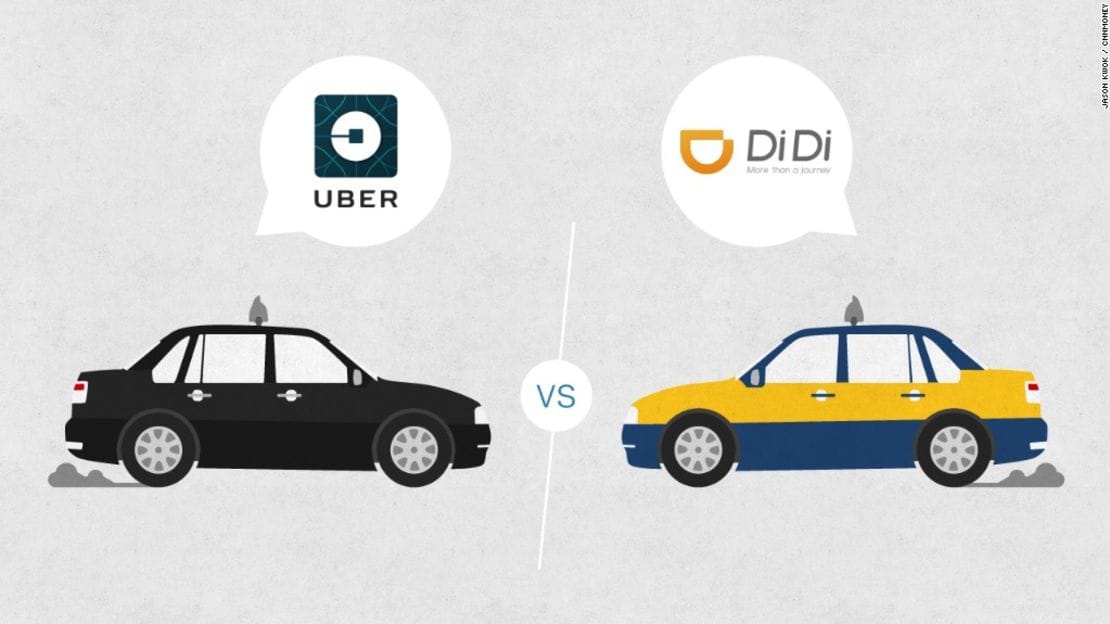
Uber, the market leader in Argentina, also announced plans to invest US$500 million in the country over the next three years, according to Economy Minister Luis Caputo.
As both companies invest in expanding their operations, attracting drivers and increasing service availability will remain important factors in the competition for riders and drivers.
For ride-hailing platforms, expanding coverage and increasing the number of available drivers can improve marketplace liquidity, making it easier for the platform to match riders with drivers. This can support higher trip frequency and, eventually, profitability.
AI and Safety Upgrades Form Part of Didi’s Strategy
The investment is not focused exclusively on geographic expansion. Didi is also working to improve the reliability and safety of its service.
The company said it has introduced mapping improvements and AI models designed to support safety. These upgrades could become increasingly relevant as major platforms compete for the same users and driver base.
However, rapid expansion can also create pressure on margins. When well-funded competitors are simultaneously investing in growth, bonuses and discounts can become one of the fastest ways to attract additional drivers and users.
If incentives increase at the same pace as supply, strong growth may come at the expense of profitability.
Profitability Will Be a Key Measure of Didi’s Expansion

As Didi scales its operations in Argentina, driver growth and trip volumes will not be the only indicators to watch.
The company recently reported a US$129 million profit in the second quarter after posting a US$177 million loss in the first quarter. The key question for the market will be whether Didi can continue expanding while maintaining the profitability it demonstrated in the second quarter.
With more than US$200 million planned for Argentina this year, the company’s strategy will test whether greater scale, improved service availability, AI-based safety tools and new mobility services can support sustainable growth in an increasingly competitive market.