
Fintech Nova Bets on AI to Unify Brazil's Payment Systems After USD $24M Round


Brazilian fintech Nova has emerged from stealth with a USD 24 million Series A led by Canaan, betting that artificial intelligence can connect two of the country's most powerful payment systems: credit cards and Pix.
Propel Ventures joined the round, while existing backers Canary and Monashees made new investments. Founded in 2024, Nova will use the capital to expand its consumer products, deepen its AI capabilities, and launch solutions for businesses and banks.
One Wallet for Every Card
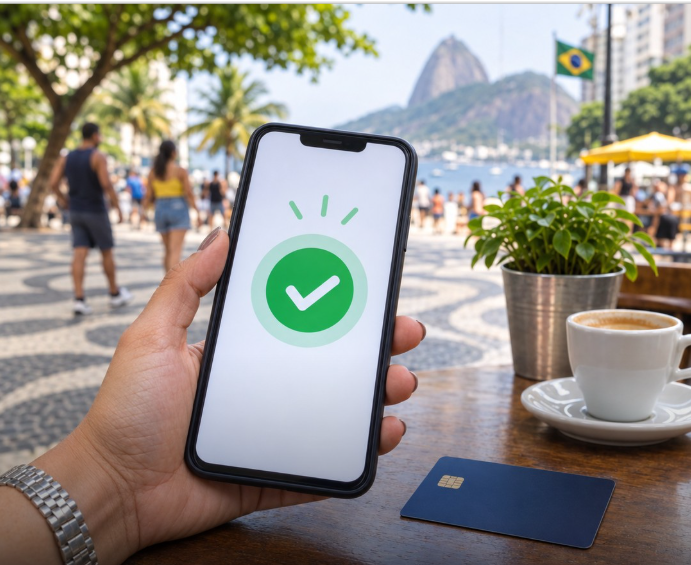
Nova's core product is a digital wallet that uses Brazil's Open Finance framework to bring together credit cards issued by different institutions. Once their cards are connected, users can apply available credit limits to pay Pix transfers and installment payment slips, even when the recipient does not accept cards.
An AI engine decides how each transaction should be paid, weighing available credit, installments, rewards, cost, and convenience. Nova does not extend credit itself; it only uses limits that card issuers have already granted, a model that keeps its balance sheet light while giving consumers more control over the credit they already have.
"Brazil has built some of the best payment systems in the world," said Rafael Matos, co-founder and CEO, adding that the country has a wide variety of payment products. Melissa McCoy, the company's chief product officer, said the wallet of the future "should find the smartest way to pay for anything."
Early Traction and a Lean Team
Although it only now exits stealth, Nova already reports more than 300,000 downloads and annualized revenue above R$60 million. The company says it is growing more than 20% a month and is profitable at the operating level, with a team of about 20 people.
That combination of rapid growth and early profitability helped attract investors at a time when many Latin American fintechs are expected to show a clear path to sustainable economics before raising larger rounds.
Brendan Dickinson, a general partner at Canaan, said much of Brazil's financial infrastructure "still works in isolation," pointing to the opportunity for a layer that ties the pieces together for consumers.

What Comes Next
Beyond its consumer wallet, Nova plans to offer its technology to companies and financial institutions. One planned product is an intelligent checkout tool for online sellers, which would let merchants offer shoppers the most efficient way to pay at the moment of purchase.
For banks and card issuers, Nova's model could also increase the use of credit lines that customers already hold, generating more transactions without adding new credit risk.
Brazil as a Laboratory for Payments Innovation
Nova's thesis rests on the scale of Brazil's payment rails. Pix, launched by the Central Bank of Brazil, has been used by nearly all of the country's adults, and the number of active credit cards exceeds the total population. Yet the two systems have largely operated in parallel, with Pix dominating instant transfers and cards dominating installment purchases.
Open Finance is the bridge. By letting consumers securely share their financial data across institutions, the framework allows new players to build services on top of existing accounts and cards, rather than replicating them.
The deal also reflects continued investor interest in Latin American fintech at the growth stage. Brazil remains the region's largest venture market, and payments infrastructure continues to attract international funds that see the country's regulatory innovation as a model for other markets.
Lessons for Central America
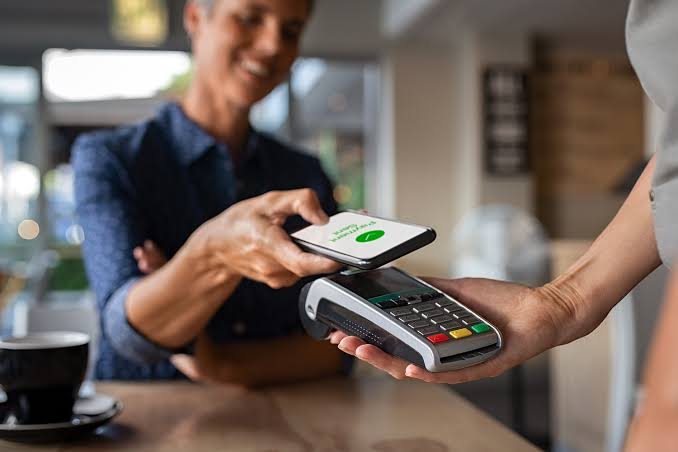
For Central American economies, Nova's approach offers a useful reference as banks and regulators in the region modernize their payment systems and digital banking services. Tools that make existing credit more flexible, without expanding risk, could support both consumer spending and small merchants that do not yet accept cards.
As instant payments and open data frameworks spread across Latin America, platforms like Nova show how AI can turn fragmented financial tools into a single, smarter payment experience, an opportunity that regional banks, fintechs, and regulators are watching closely.
Source: Startups