
Google Bets on Brazilian Startups with Accelerator and New AI Investment Fund
Google says Brazil has become a source of innovation, expanding support through its Accelerator program and a new AI-focused investment fund.

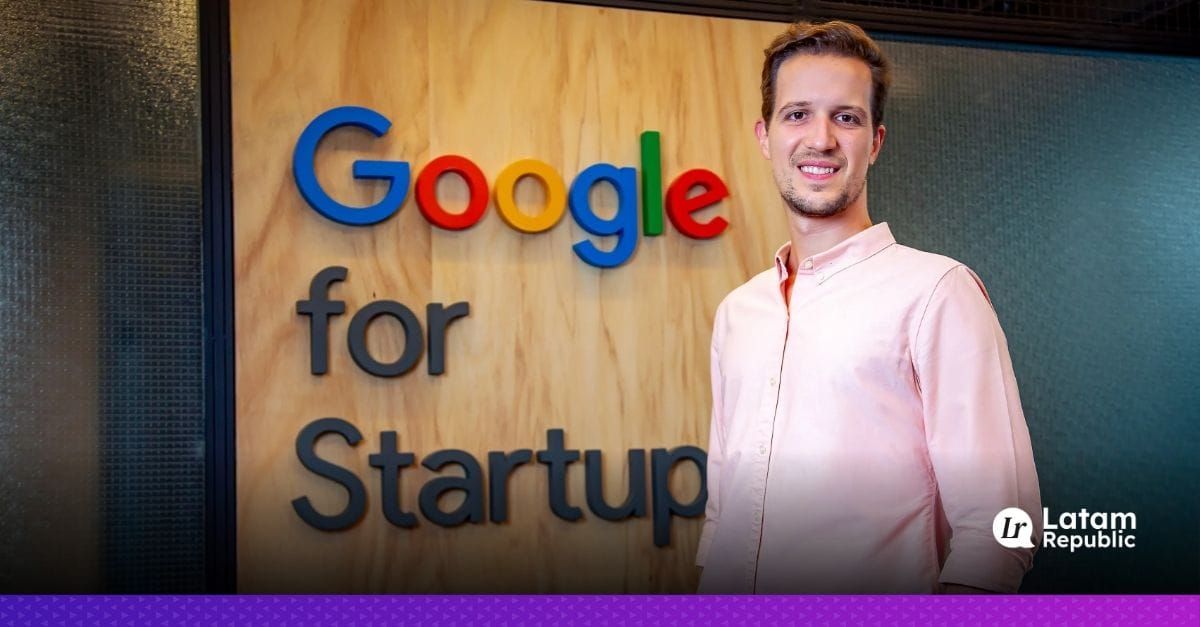
Google believes Brazil has evolved from being a technology consumer into a country capable of producing globally competitive innovation. During the Google for Startups Accelerator Demo Day held in São Paulo, the company highlighted the strength of Brazilian entrepreneurs and reaffirmed its commitment to supporting the country's startup ecosystem through acceleration programs and new investment initiatives.
According to Henry Couto, Head of Google for Startups Accelerator, Brazil has become a strategic market for the company because local startups have learned to build high-quality technology despite operating in a more challenging funding environment.
Google Says Capital Constraints Have Made Brazilian Startups More Efficient
Speaking during a roundtable with the press, Couto explained that entrepreneurs in Brazil have developed a culture of efficiency because raising capital is significantly more difficult than in markets such as the United States.
"Building a startup in Brazil is difficult. Money is expensive here, with interest rates around 15%. Abroad, capital is cheaper and more accessible. There, investors fund ideas on PowerPoint presentations. Here, companies need revenue and profitability," he said.
According to the executive, this environment has encouraged founders to develop advanced technologies while operating with leaner structures, making Brazilian startups attractive candidates for global growth opportunities and future investments.
Google for Startups Accelerator Focuses on Long-Term Relationships
One of Google's main initiatives supporting the local ecosystem is the Google for Startups Accelerator, which has operated in Brazil since 2016.
Each edition lasts ten weeks and brings together growth-stage startups to receive mentorship, technical guidance from Google specialists and connections across different teams within the company.
Couto emphasized that the objective extends beyond the acceleration period itself.
"That relationship lasts forever, even after the program ends. Someone who participated in 2016 recently contacted me for help, and we're always available to support founders regardless of what they need," he said.
The Accelerator Is Not Designed to Identify Acquisition Targets
Although Google has acquired startups in the past—including Waze in 2013—Couto clarified that participation in the Accelerator is not intended to create a direct path toward investment or acquisition by the company.
Instead, the program is designed to help startups improve their products while expanding their access to Google's network, expertise and resources.
Google Increases Investment in Brazil Through the Gama Fund
Even though the Accelerator does not guarantee funding, Google's interest in Brazil continues to grow.
For the first time, the company has established a fund dedicated to Brazilian startups through a partnership with Monashees.
"It's the first time in my 11 years at Google that I've seen this level of interest in Brazil. We'll begin this partnership with Monashees by selecting five startups to start investing in—and perhaps, one day, even acquire a company in Brazil," Couto announced.
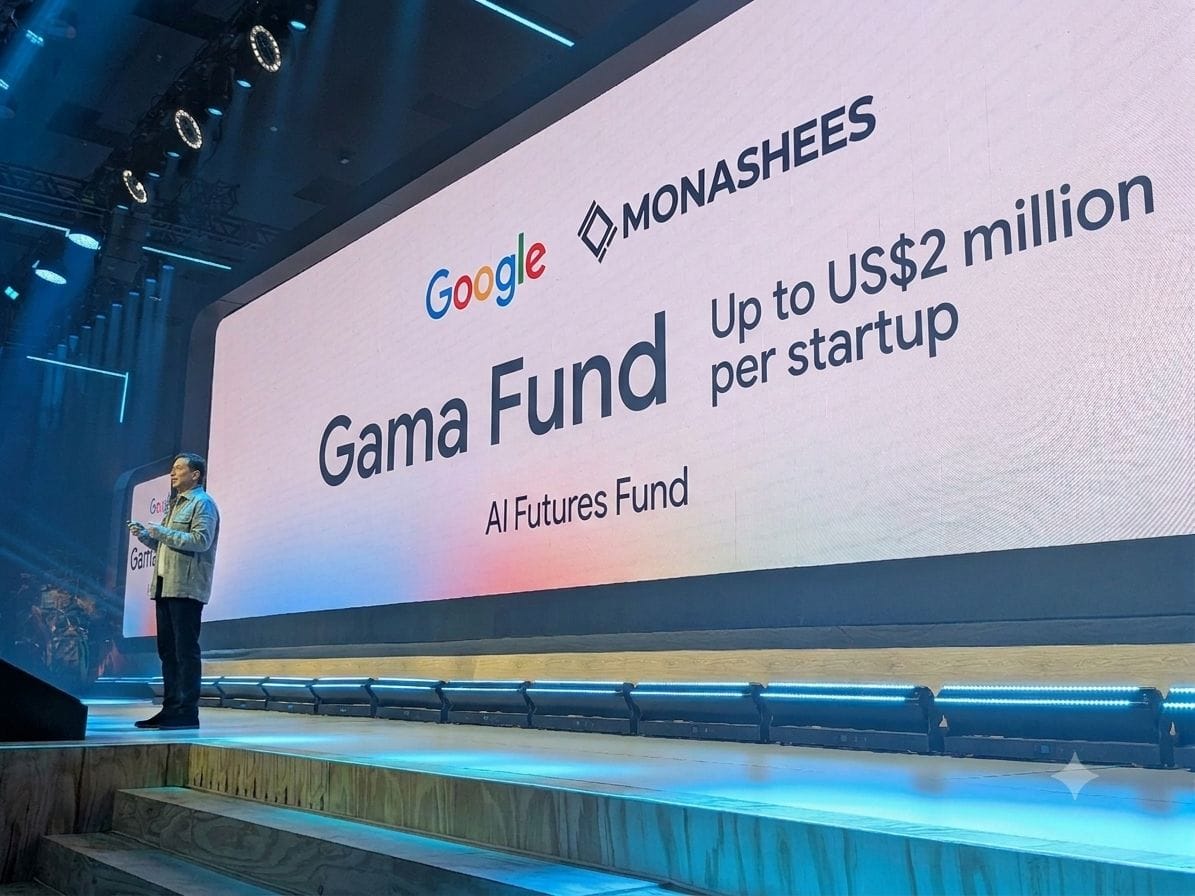
Launched in June, the Gama Fund will invest up to US$10 million in AI-native startups in Brazil at the pre-seed and seed stages, where artificial intelligence is a core component of the product.
The fund plans to invest US$2 million per startup, while also providing technical support, mentorship, international immersion opportunities and up to US$350,000 in Google Cloud credits.
How Startups Can Join the Google for Startups Accelerator
Applications for the Google for Startups Accelerator are available through the company's official website and communication channels.
To be eligible, startups must already have customers, have raised at least one round of investment and present an artificial intelligence-based project, which is the focus of the current edition and is expected to remain central in future cohorts.
Google also evaluates the founders' profiles, the potential impact of the business and the technical complexity of the proposed solution. According to Couto, these criteria help identify companies that have already demonstrated market validation and are well positioned to benefit from the program.
The company is looking for entrepreneurs capable of building innovative solutions and creating future success stories. Accelerator cohorts are held twice a year, although Google has not yet announced the application dates for the next edition.