Hacktoberfest Shines at Mexico Tech Week: 16 Teams, 7 Challenges, and a Podium Led by Futuro

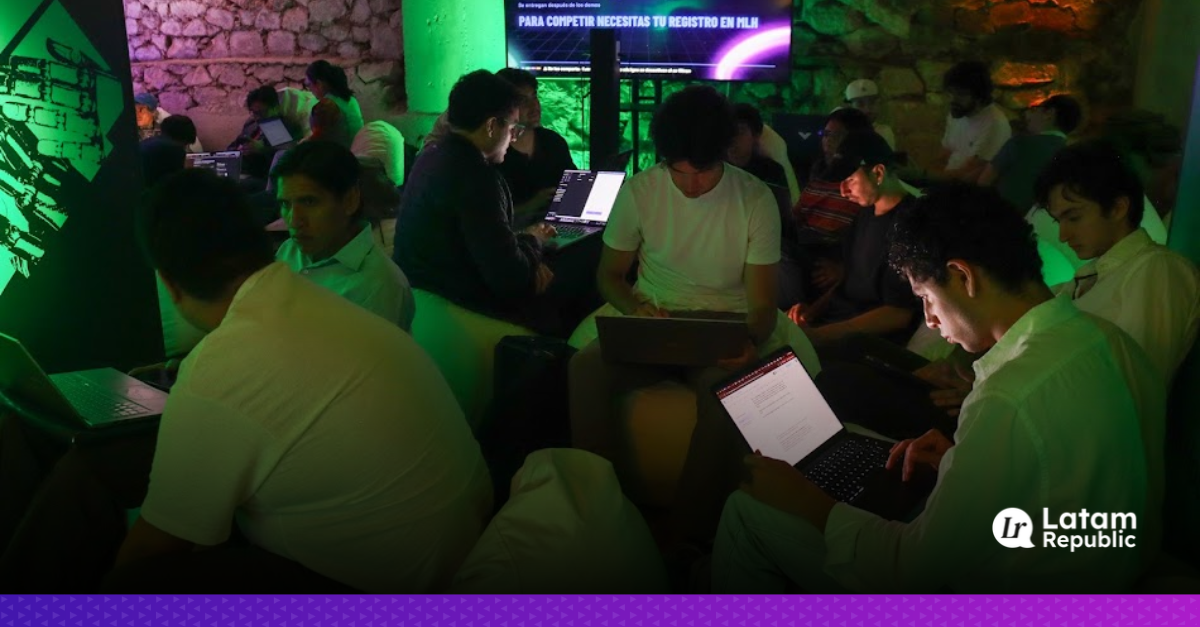
Mexico City once again proved it has plenty of talent for building technology. On Oct. 27 and 28, Hacktoberfest México brought together developers, designers, and entrepreneurs for a building marathon that culminated in a Demo Day packed with ideas ready to go out into the world.
The event was held together with Major League Hacking (MLH), the global league of student and community hackathons, and was part of the official Mexico Tech Week agenda. That combination gave the hackathon two things that rarely come together: the rigor and experience of an international organization, and the energy of a week devoted entirely to the country's tech ecosystem.
The result was an intense end to October, with teams going from an idea on paper to a working prototype in a matter of hours. And, as in any good competition, there were winners.
Este año @hacktoberfest dejó de premiar pull requests y pidió otra cosa: construir con IA open source y modelos de pesos abiertos.
— Mobil3.xyz (@mobil3_xyz) November 10, 2026
Uno de sus 500+ Fests fue en la Ciudad de México. 16 equipos llegaron al Demo Day y el podio fue para Futuro, Budi y MedVox. Esto construyeron: pic.twitter.com/m6JV3JjKhF
Seven Challenges and Sixteen Teams at Demo Day
Challenges were at the heart of Hacktoberfest México. In total, there were seven prize challenges: five proposed by event partners and two by Major League Hacking itself. Each challenge served as an invitation to solve a concrete problem and forced teams to make quick decisions about what to build, with which tools, and for whom.
The variety of challenges was key. With several possible paths, participants could choose the challenge that best matched their skills and interests instead of all competing for the same thing. That showed in the range of proposals that reached the finish line.
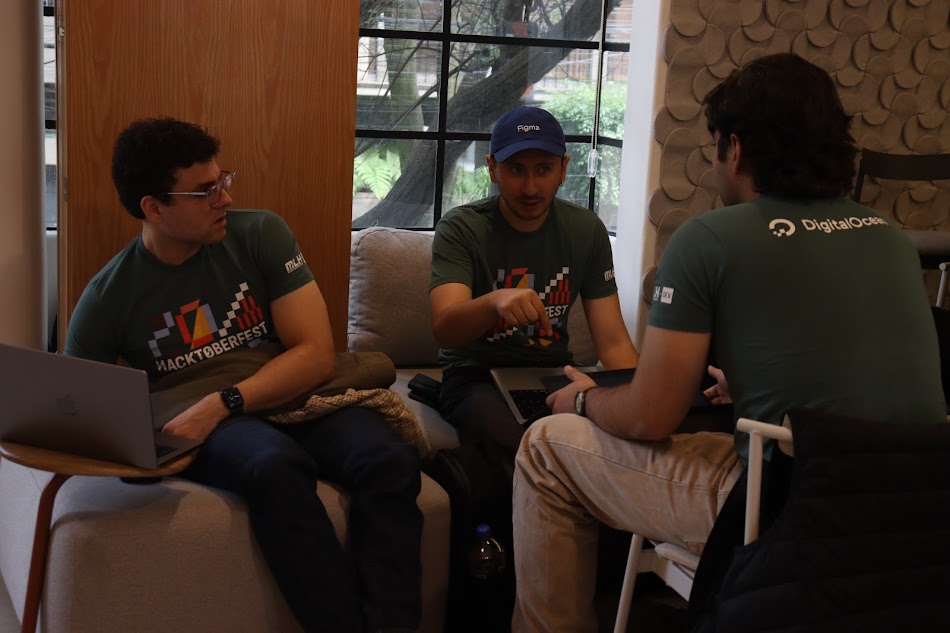
On Oct. 28, Sandbox Hub in Polanco became the stage for Demo Day. There, 16 teams presented their projects to judges, mentors, and attendees. For many, it was the first time they defended a product of their own in public, with everything that entails: explaining the problem, showing the solution live, and answering questions without a safety net.
In addition, 15 projects were formally registered on the event's MLH page. That registration is no minor detail: it leaves a public record of the work done and allows anyone, from recruiters to potential co-founders, to see what was built over those two days.
The Podium: Futuro, Budi, and MedVox
- Futuro, first place: a guided tool that helps students find their vocation at a time when education is changing.
- Budi, second place: an open-source Chrome extension in which Gemma 4 turns saved pages into two-host audio lessons, with voices from ElevenLabs.
- MedVox, third place: a voice-based clinical documentation assistant for doctors.
Honorable mentions went to Bench-Engine, an open-source benchmark that measures the energy consumption of open LLMs running locally, and KYP, which checks suppliers against the SAT's 69-B lists, OFAC, and news coverage, and alerts users to risky CLABE changes.
Beyond the names on the podium, what is worth highlighting is the journey. Reaching first, second, or third place at a hackathon requires combining a clear idea, solid technical execution, and a convincing pitch in just a few minutes. The five recognized teams struck that balance between ambition and realism that judges usually look for.
Hacktoberfest México closed with a clear message: Mexico City has community, it has ideas, and it has the drive to build.