
Hero raises US$6.6M led by Headline XP to boost regional expansion
Hero raises US$6.6M to expand its travel insurance platform across Latin America, leveraging APIs, partnerships, and new product lines beyond travel coverage.

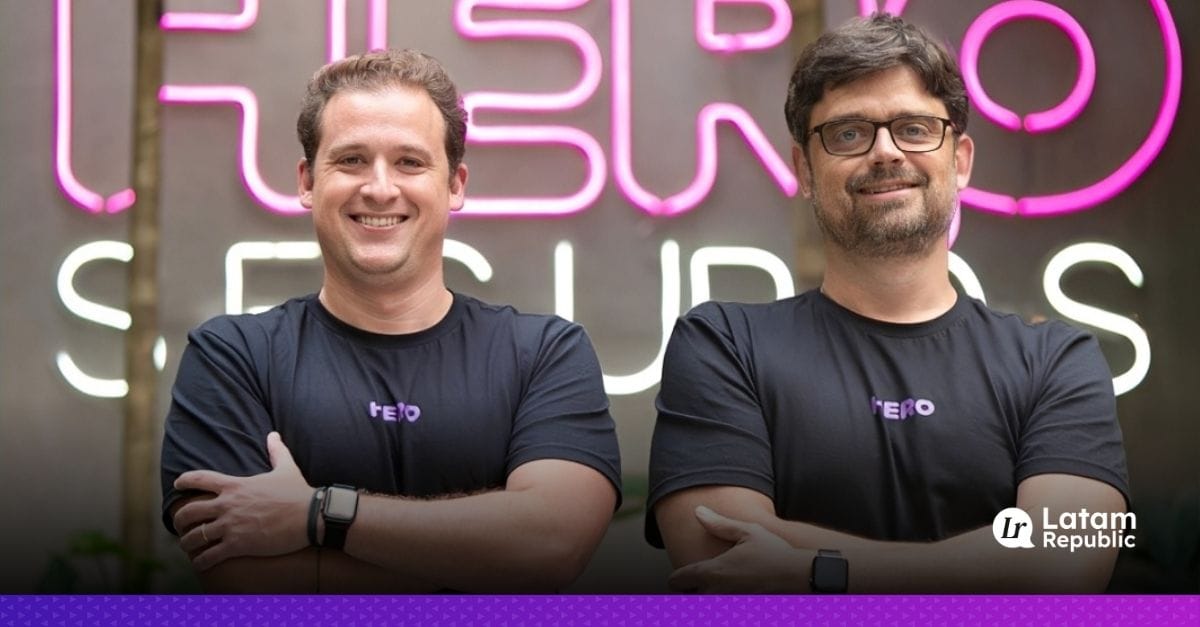
Hero, a travel-focused insurtech, has secured a new funding round to scale its operations in Brazil, where it already holds a 15% market share, and expand into other Latin American markets while diversifying its product offering.
Funding led by Headline XP with participation from Actyus
The round totaled US$6.6 million (approximately R$35 million) and was led by Headline XP, the venture capital firm founded by Romero Rodrigues. The investment also included Actyus, a firm linked to European bank Andbank.
The transaction was primarily composed of primary capital, with a secondary component benefiting the company’s founders, Guilherme Wroclawski and Raphael Swierczynski.
Founders bring deep insurance and startup experience

Hero was founded in 2021 after both founders worked together at Ciclic, the insurance brokerage of Banco do Brasil.
Prior to that, Guilherme founded SaveMe, which was later acquired by Buscapé, while Raphael built a decades-long career in the insurance industry, including leading QBE Insurance in Brazil.
A four-pillar strategy to modernize insurance
Hero’s strategy is built around four core pillars: product customization, distribution, pricing, and customer service.
The company focuses on developing tailored insurance solutions instead of standardized offerings, while leveraging APIs and digital tools to improve distribution through partners. It also emphasizes disciplined pricing and a specialized customer support structure.
“When we launched Hero, we were coming out of the pandemic, with pent-up travel demand and competitors that had little innovation,” said Guilherme. “Products were essentially the same as 20 or 30 years ago. We saw an opportunity to rethink not only the products, but also systems, agility, and customer service.”
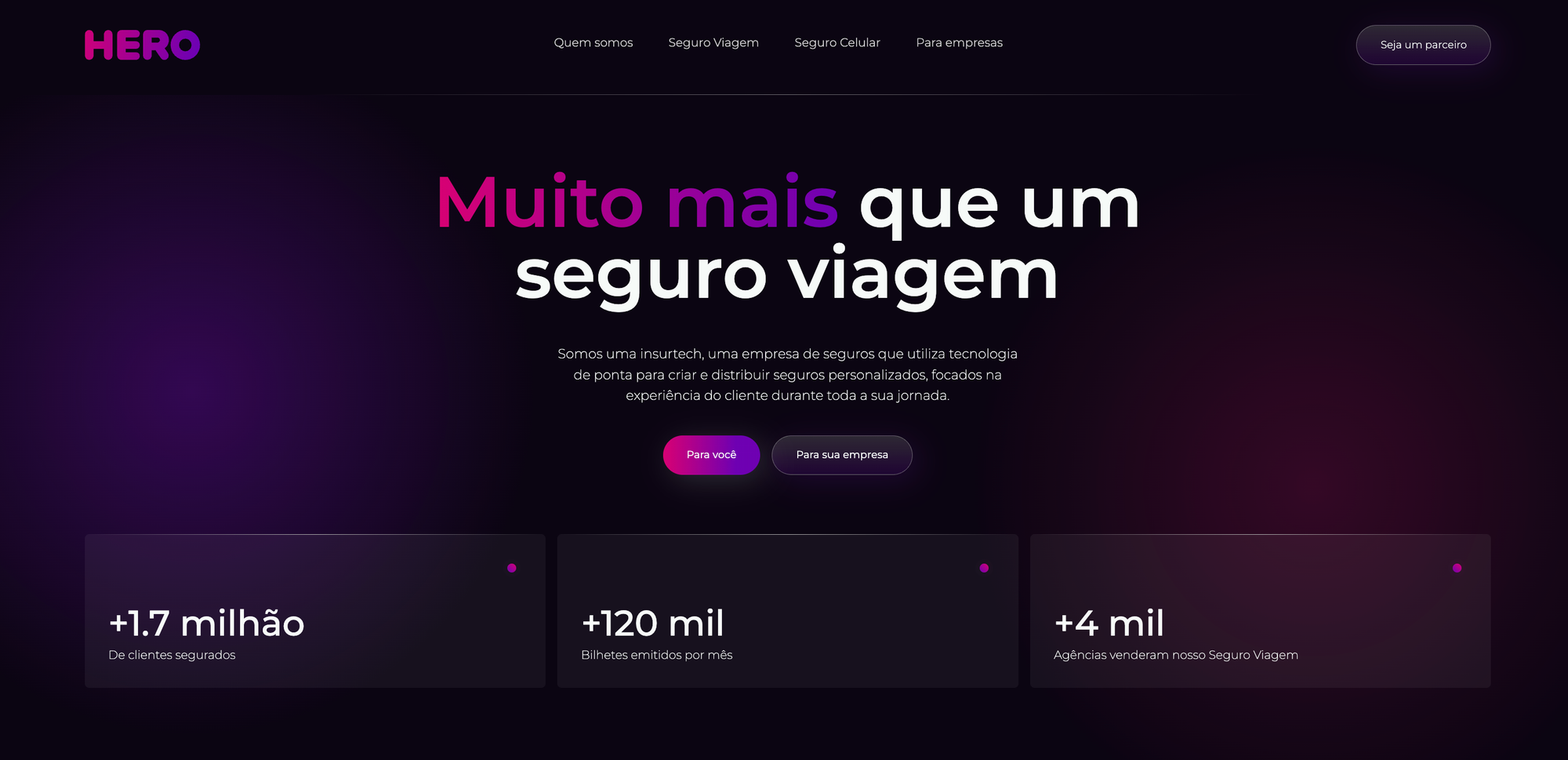
B2B2C model powered by APIs and partnerships
Hero operates under a B2B2C model, enabling large distribution partners to integrate its products via APIs. Companies such as BTG Pactual, Daycoval, QI Tech, Befly, CopasTur, VoeTur, and Ciclic already distribute Hero’s insurance products.
The startup has also partnered with the Instagram brand Perrengue Chique, launching a co-branded insurance offering to reach end consumers.
To support its operations, Hero created a separate entity, Hero Assist, dedicated to claims handling and customer support, which now employs over 200 people.
MGA model and partnership with Generali
Like many insurtechs, Hero operates under an MGA (Managing General Agent) model, where a regulated insurer assumes the risk while the startup focuses on product development, distribution, and customer experience. In Hero’s case, the risk is underwritten by Generali.
“This model allows us to remain asset-light and focus on our core pillars, while risk is handled by experienced players,” said Raphael.
Strong growth with millions of policies sold
Since its founding, Hero has sold 4 million insurance policies, with a significant portion—1.7 million—issued in the past year alone.
The company has generated US$58 billion in premiums (approximately R$300 million), translating into around US$29 billion in revenue (about R$150 million), excluding commissions paid to distribution partners. While EBITDA figures were not disclosed, the company states that margins are “very solid.”
“This is what allowed us to grow in a bootstrap mode until now,” Guilherme noted.
Expansion plans across Latin America and new verticals
The newly raised capital will primarily support Hero’s international expansion. The company is opening its first office in Argentina, based in Buenos Aires, and is evaluating further expansion into Chile and Mexico.
In parallel, Hero is expanding beyond travel insurance. The startup has recently launched life insurance, financial protection products, and personal accident coverage, and has entered the extended warranty segment targeting mid-sized retailers underserved by large insurers.
The goal is to increase the contribution of these new products to total premiums, thereby diversifying revenue streams.

Investor perspective: a complex but promising sector
According to Romero Rodrigues, the decision to invest was driven by both the founders’ expertise and the sector’s potential.
“Insurance is a very difficult industry for outsiders. Guilherme and Raphael’s experience at Ciclic was key. We rarely invest in teams without prior insurance experience,” he said. “At the same time, it’s a massive sector that still lacks innovation and new products.”