Kapital Bank Reaches US$2 Billion Valuation After US$130 Million Funding Round
Kapital Bank reaches a US$2 billion valuation after a US$130 million funding round and acquires US AI company Woz Code for US$30 million.

Kapital Bank is strengthening its artificial intelligence strategy with the $30 million acquisition of US-based AI company Woz Code. The deal follows a $130 million funding round combining equity and debt, bringing Kapital Grupo Financiero's valuation to $2 billion as it considers an initial public offering (IPO) within the next three years.
Kapital Bank reaches a US$2 billion valuation
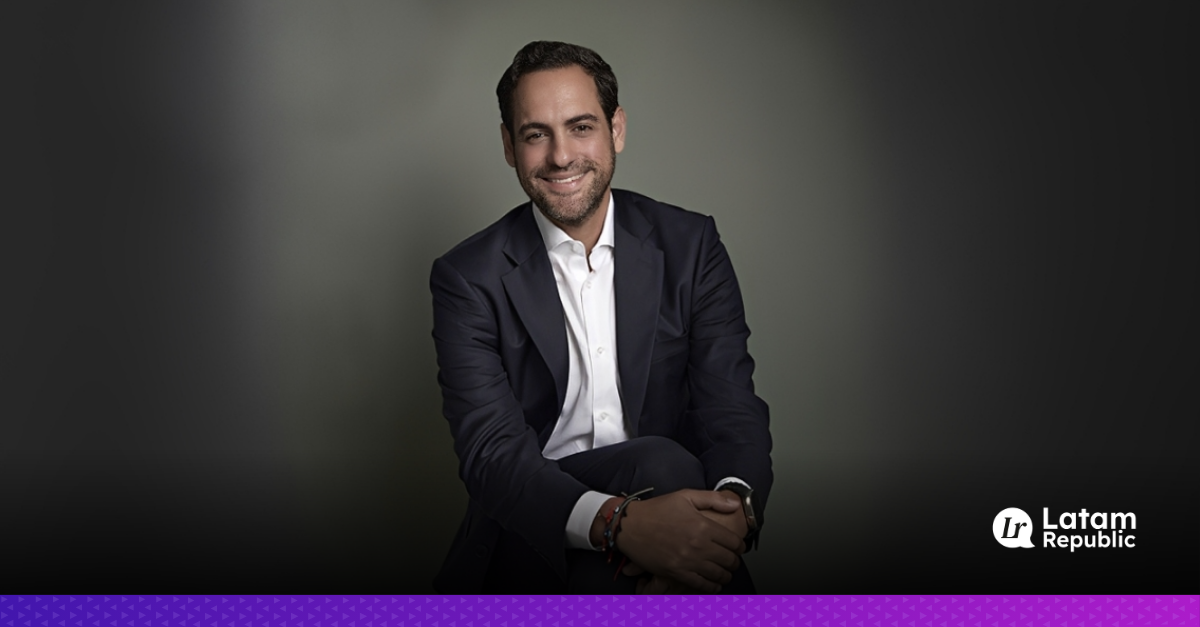
The announcement, shared by CEO and co-founder René Saúl Farro in an interview with Forbes México on September 2, 2026, came exactly one year after Kapital reached unicorn status with a US$1.3 billion valuation.
Farro describes Kapital as a technology company operating with a banking license rather than a traditional bank.
“This acquisition confirms it: the bank of the future is built by artificial intelligence engineers, and today the best ones are building with us,” he said.
Technology remains central to the group's strategy, with 30% of its budget allocated to research and development. Its digital infrastructure uses deep learning and machine learning to analyze operational cash flows in real time and support dynamic credit risk assessments.
Woz Code acquisition supports Kapital's expansion
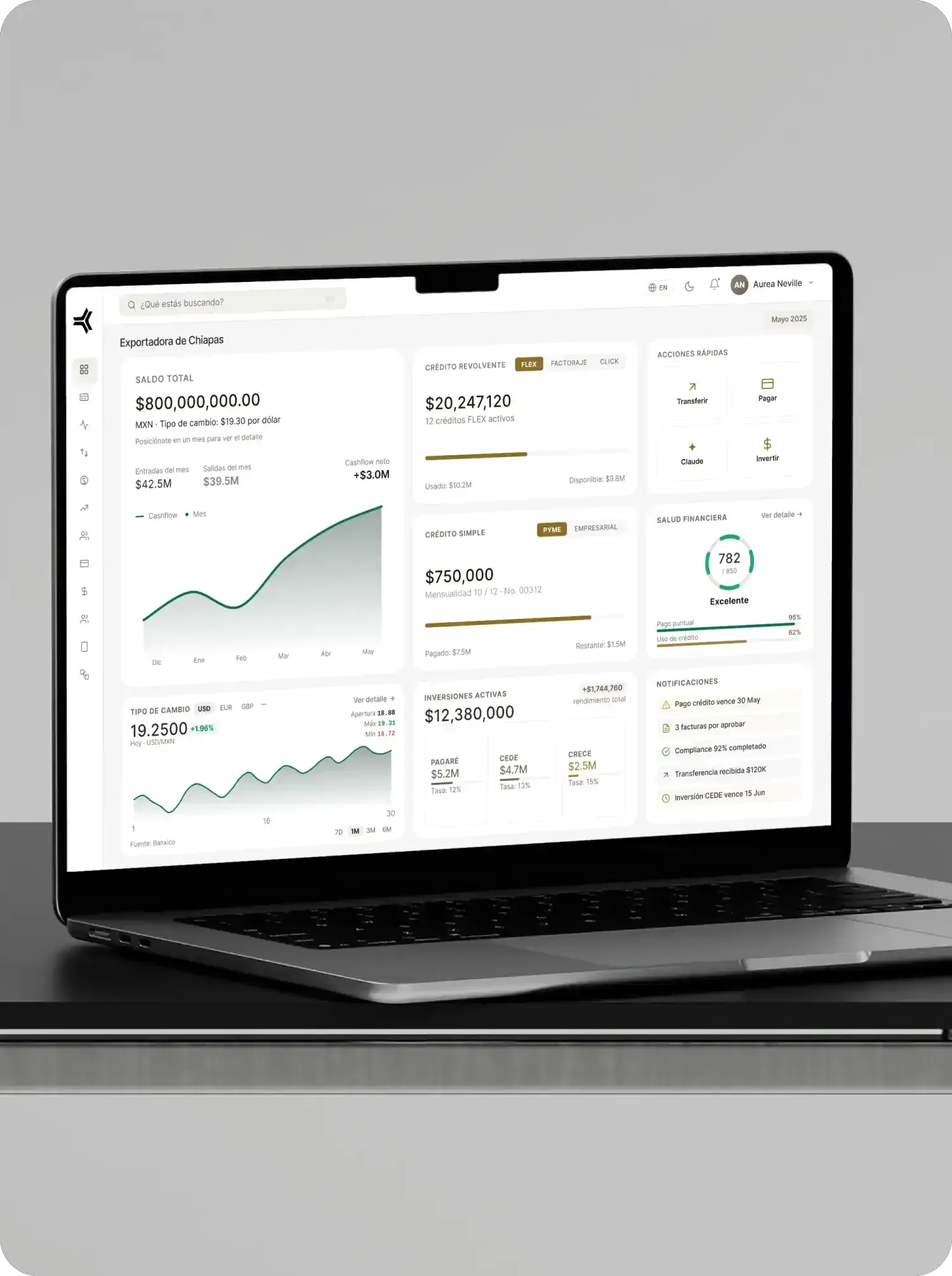
Kapital's acquisition of Woz Code is part of its effort to strengthen its technology capabilities and expand financial services across its markets.
The group operates primarily in Mexico, Colombia, the United States, Puerto Rico and Spain, serving more than 300,000 customers. Its services include business loans, digital accounts, investments, multi-currency treasury management and international payments.
With 3,700 employees, Kapital focuses on SMEs, entrepreneurs and non-bank financial institutions, segments that often face difficulties accessing financing.
Farro believes the company's experience serving SMEs gives it an advantage as more financial institutions target this market.
“The access to liquidity for SMEs is scarce, virtually nonexistent, I would say, in a country like Mexico compared with more developed countries,” he said, emphasizing the importance of businesses that support supply chains and account for seven out of every 10 jobs in Mexico.
From Banco Autofin to Intercam: Kapital's acquisition strategy
Kapital's growth has been driven partly by acquisitions. In September 2013, Redem Tech Inc. acquired Banco Autofin, transforming the fintech co-founded by Farro, Arjun Sethi and Fernando Sandoval into a banking business.
In August 2025, Kapital Bank México acquired Intercam Banco's operations and assets following regulatory intervention, with the stated objective of protecting depositors and maintaining service continuity.
The transaction opened opportunities in international payments, which Farro sees as a significant market. He estimated that trade between Mexico and the United States represents approximately US$800 billion, compared with $80 billion in remittances.
For the executive, acquisitions allow Kapital to enter new markets and expand its financial technology offering.
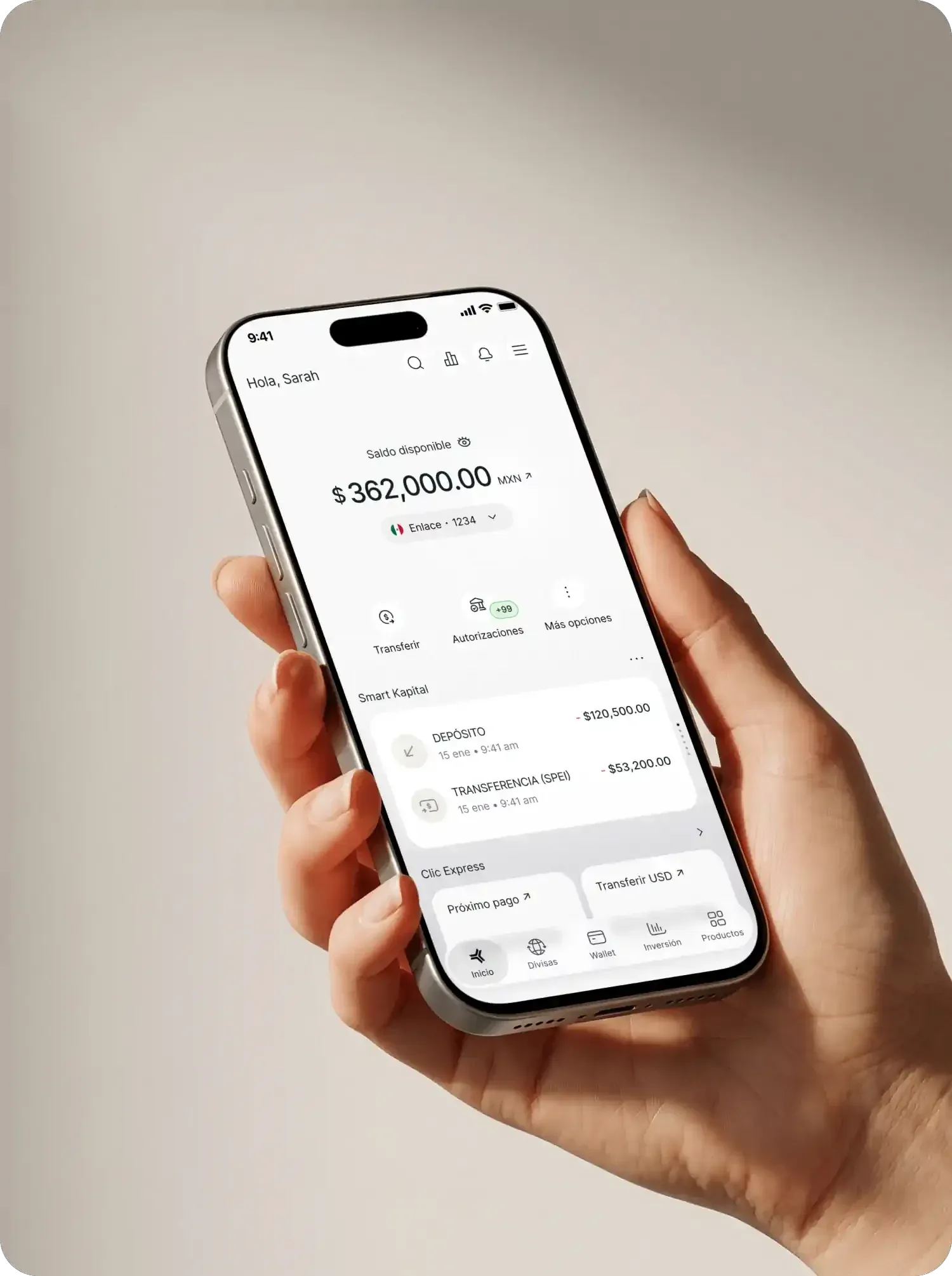
Kapital's lending and deposits accelerate in 2026
At the end of the second quarter of 2026, Kapital reported more than MXN 93 billion in assets and a credit portfolio of MXN 30 billion, representing year-over-year growth of 220%.
Traditional deposits reached MXN 62 billion, up 234% from the same period in 2025. Farro also reported that the group had extended MXN 30 billion in credit during 2026, reaching its budgeted target through financing for large companies and their supply chains.
The group sees additional opportunities in Mexico's nearshoring strategy and investments in data centers and artificial intelligence infrastructure, which could increase demand for business financing.
AI and financial inclusion create new opportunities
Kapital's strategy reflects broader challenges in Mexico's financial system. Ricardo Delfín, KPMG México's lead partner for clients and markets, noted that credit represents approximately 30% of Mexico's GDP, compared with levels approaching 80% in Brazil.
Technology and better data analysis could help financial institutions assess borrowers, reduce risk and develop more suitable financial products. Fernando Iglesias, a financial management professor at IPADE Business School, also highlighted technology's potential to improve customer understanding and reduce operating costs.
Kapital aims to turn these capabilities into faster, more accessible financial services for businesses operating in Mexico and internationally.
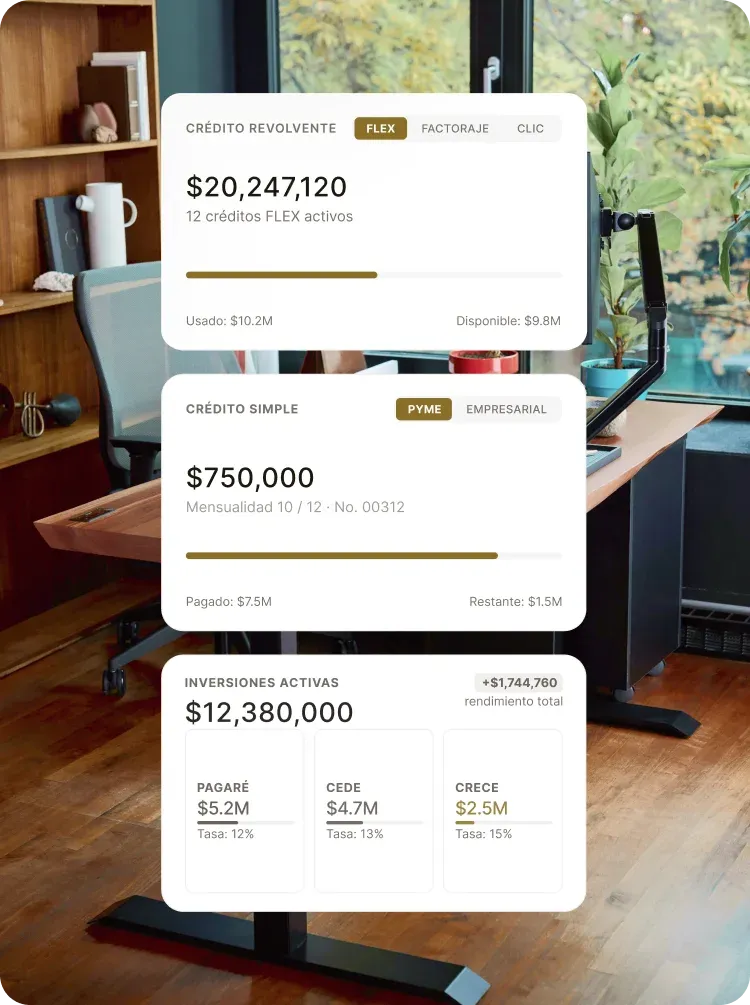
Kapital considers an IPO within three years
Kapital is evaluating a potential IPO within the next three years, depending on market conditions. In the meantime, its priorities include consolidating existing operations, expanding its technology infrastructure and serving companies involved in international trade and nearshoring.
Farro said the organization has learned to adapt and evolve throughout its growth.
“We have created an organization capable of self-correcting, learning from its mistakes and evolving,” he said.
With its latest funding round and Woz Code acquisition, Kapital is positioning artificial intelligence, business lending and cross-border financial services at the center of its next stage of expansion.