Leadsales Introduces AI Agents Designed for WhatsApp-Based Sales Teams
Leadsales launched Lead Agent, an AI-powered sales agent system for WhatsApp and social media, introducing the concept of Vibe Selling to help Latin American businesses automate conversational sales


Leadsales is introducing a new artificial intelligence-based system designed to help businesses manage commercial conversations on WhatsApp and social media platforms. The launch comes as WhatsApp continues to consolidate its role as one of the most important sales channels in Latin America, while also becoming increasingly saturated with commercial messages.
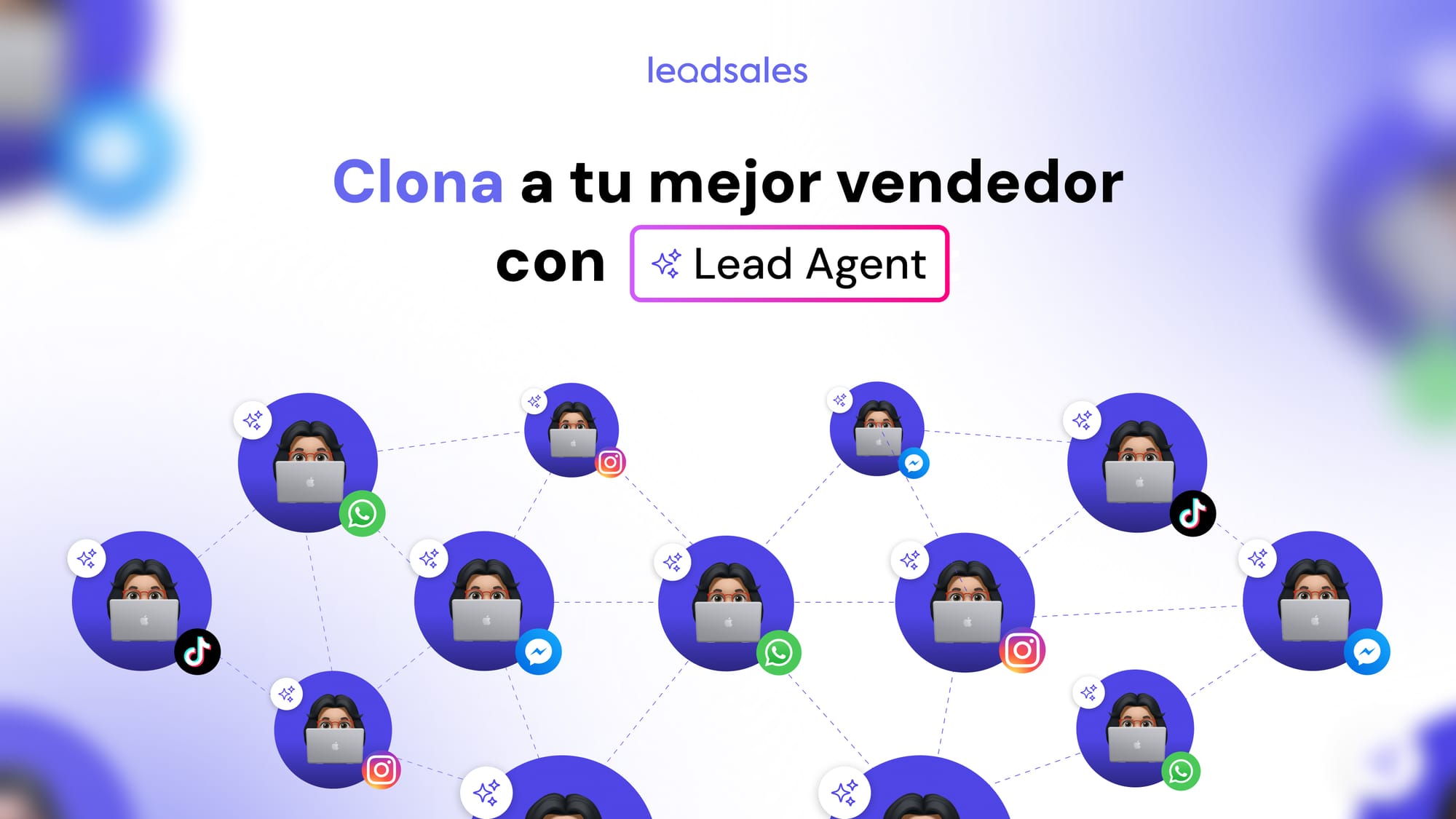
The company, which operates as an official Business Partner of Meta, announced the launch of Lead Agent, a system of AI agents capable of learning the full context of a business and operating autonomously throughout the sales process.
WhatsApp Becomes a Critical — and Saturated — Sales Channel
According to Leadsales, Latin American consumers now receive dozens of commercial messages daily through WhatsApp, a platform originally designed for personal communication. As response expectations increase and tolerance for delays decreases, businesses that rely heavily on messaging-based sales face growing pressure to respond quickly and efficiently.
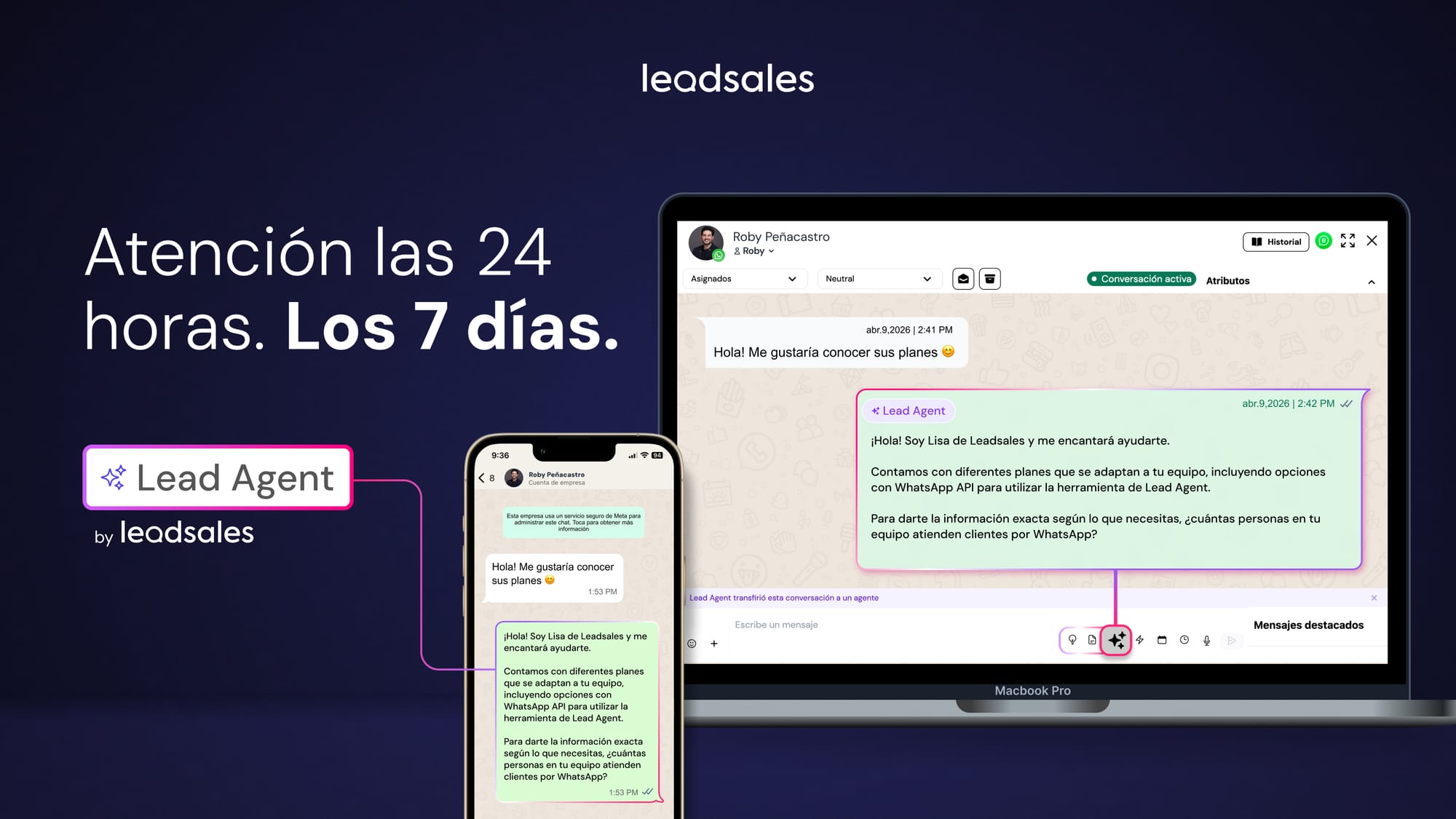
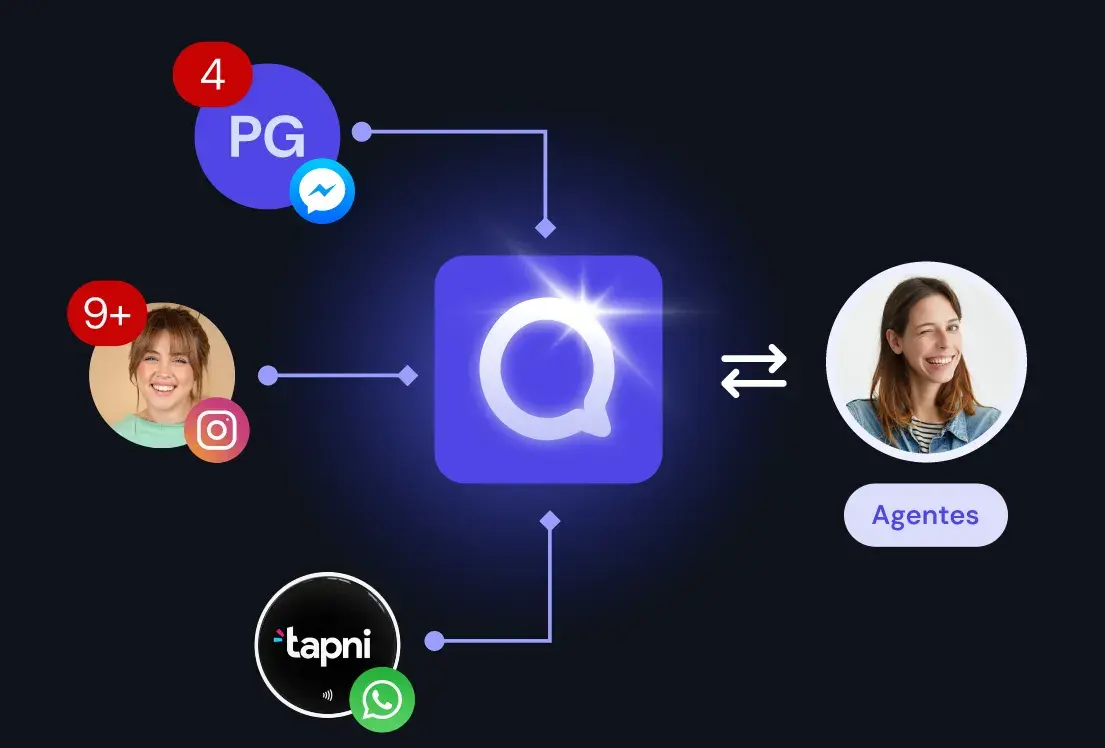
Lead Agent was developed to address that challenge by enabling AI agents to operate directly inside WhatsApp and social media channels. The system can engage prospects 24/7, manage sales conversations autonomously, and continuously learn from customer interactions.
With the launch, Leadsales is also formally introducing the concept of “Vibe Selling” as a core part of its vision for the future of sales.
What Is “Vibe Selling”?
The concept is inspired by the rise of “Vibe Coding,” a term adopted by the technology ecosystem in 2025 to describe a new approach to software development in which developers communicate intentions to artificial intelligence systems instead of manually writing code.
Leadsales applies that same logic to sales operations. Instead of manually building decision trees, conversation flows, and scripted responses, businesses provide the AI system with contextual information such as product catalogs, pricing, commercial policies, brand tone, and sales goals.
From there, the AI agents operate directly within WhatsApp, managing customer conversations, qualifying leads, and supporting commercial opportunities in real time.
Under this model, sales teams shift from manually handling every interaction to focusing on strategy, priorities, and business rules, while the AI manages conversational execution continuously. Human teams can still intervene whenever necessary through simple instructions that the system incorporates into ongoing conversations in real time.
Unlike traditional chatbots, which rely on rigid workflows and predefined responses, the AI agents are designed to understand context, adapt dynamically to interactions, and maintain continuity between automated and human-assisted conversations.
The Operational Cost of Traditional Chatbots
Leadsales argues that traditional chatbot automation models are increasingly ineffective for modern sales environments.
Historically, chatbot systems were built around fixed decision trees that required companies to anticipate every possible customer response. However, real-world conversations rarely follow predictable scripts.
Based on internal company data, Leadsales estimates that between 30% and 40% of prospect messages arrive outside normal business hours. In addition, between 70% and 80% of incoming inquiries consist of repetitive questions that consume operational time without generating strategic value.
The company says this creates a constant loss of commercial opportunities, as prospects lose interest, conversations remain unanswered, and sales teams dedicate significant time to repetitive operational tasks instead of closing deals.
According to Leadsales, this inefficiency can represent up to US$273,000 annually in lost value for companies that depend on WhatsApp as their primary sales channel.
Meta’s Shift Accelerates the Transition Toward AI Agents
Leadsales also pointed to recent changes within the WhatsApp ecosystem as a signal that the market is moving beyond traditional chatbot models.
On January 15, 2026, Meta prohibited the use of general artificial intelligence chatbots within WhatsApp, a move that surprised many companies operating in the region. According to Leadsales, the decision reinforced the idea that generic automation systems are no longer sufficient for businesses selling through messaging platforms.
At the same time, Meta has reportedly begun deploying a beta version of AI agents within WhatsApp Business aimed at microbusinesses and e-commerce companies that sell through messaging.
As an official Meta Business Partner, Leadsales said it is building directly on top of this evolving infrastructure.
Leadsales Sees AI as Part of the Commercial Team
For Roberto Peñacastro, the transition represents more than a technological upgrade.
“We are not seeing a simple update of tools; we are witnessing a change in how sales teams will operate. Vibe Selling represents a transition where AI stops being just support and starts executing part of the sales process alongside the human team,” he said.
The company believes the discussion for businesses in Latin America is no longer whether to choose between people or artificial intelligence, but rather how to integrate both in order to meet the speed and responsiveness consumers already expect today.