Nubank Becomes a Licensed Bank in Brazil With Banco Porto Real Acquisition

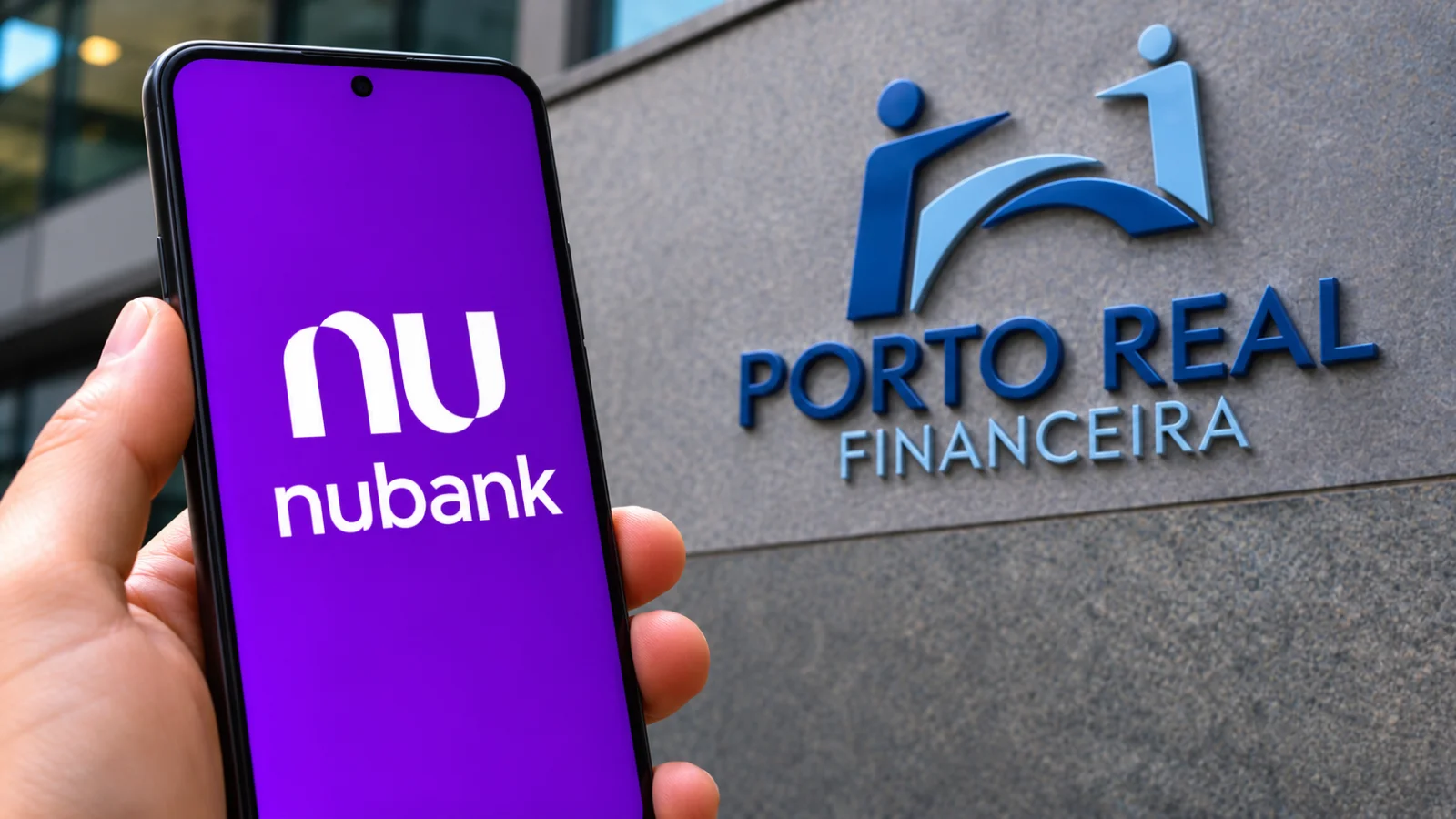
Nubank has received approval from Brazil's Central Bank to acquire Banco Porto Real de Investimentos and secure a full banking license in the country, a milestone that allows Latin America's largest digital bank to keep the word "bank" in its brand under new regulatory rules.
The acquisition of the investment bank, first announced in July, is expected to close in the coming days. Nubank said the transaction will not require additional capital or liquidity from the company.
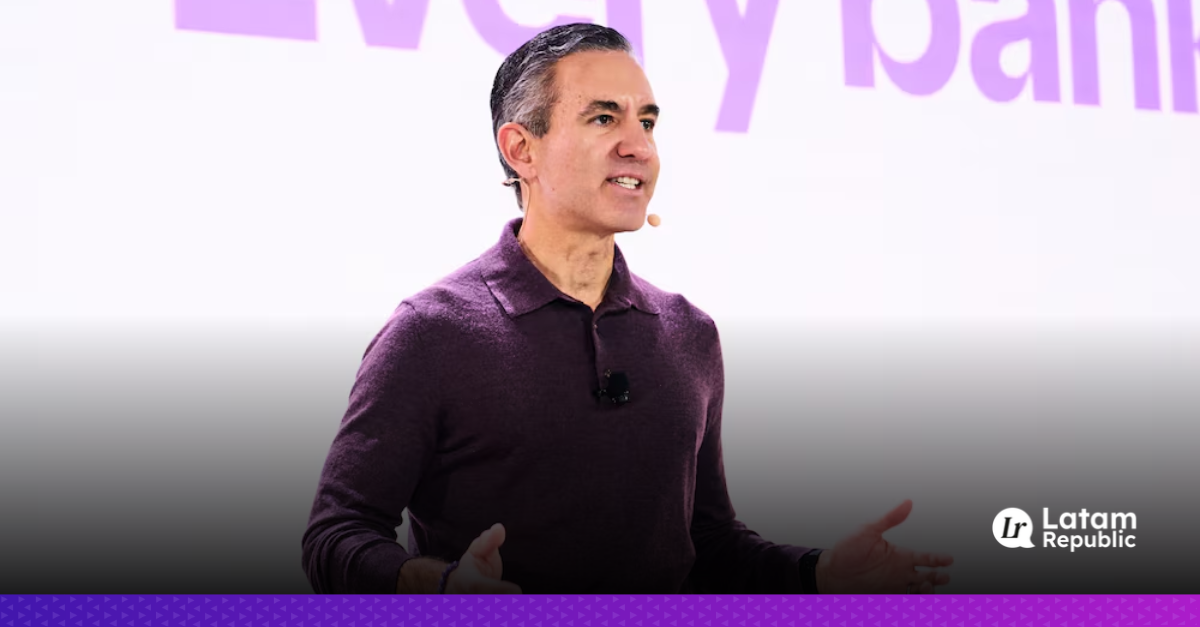
@nubank tem banco para chamar de seu!https://t.co/JLeZE20aSL
— David Velez (@velez_david) November 13, 2026
A Response to New Rules on the Word "Bank"
The license allows Nubank to comply with a joint resolution issued by the Central Bank and the National Monetary Council that restricts the use of the term "bank" to institutions that actually hold a banking license. Fintechs that use the word in their names without that authorization must adapt their branding or obtain the license.
Until now, Nubank operated in Brazil through three licenses: a payment institution, a credit, financing, and investment company, and a securities brokerage. The banking license will join the group's Nu Pagamentos prudential conglomerate.
For customers, little will change in day-to-day use of the app, cards, and accounts. For the company, however, the license strengthens its regulatory standing and provides more flexibility as it expands its range of financial products.
Scale That Reshaped Brazilian Banking
Nubank's growth over the past decade has reshaped competition in Brazilian finance. The company now serves more than 120 million customers in Brazil, and it became the country's largest private financial institution by number of clients. In March, it joined Febraban, the Brazilian Federation of Banks.
"In thirteen years, we have reached more than 120 million customers in the country," said Livia Chanes, CEO of Nubank for Brazil and Latin America.
The company estimates that about 31.5 million Brazilians gained access to a bank account, credit, or savings products for the first time through its platform, roughly one in five adults. It also plans to invest US$ 7,682.20 M in Brazil this year, almost double the amount it announced two years ago.

Digital Banks Mature Into Full-Fledged Institutions
Nubank's move reflects a broader trend in Latin America, where digital banks that started with limited licenses are now seeking the same regulatory status as traditional lenders. Full banking licenses can open the door to a wider range of deposit products, lending activities, and partnerships, while also bringing stricter oversight.
The company also operates in Mexico and Colombia, where it has followed a similar path of rapid customer growth and gradual expansion into regulated banking products. Its experience shows how digital-first institutions can scale quickly by focusing on low fees, simple mobile experiences, and underserved customers.
Regulators across the region are paying closer attention to fintechs as they grow. Rules that clarify which institutions can call themselves banks help protect consumers and level the playing field between digital players and traditional lenders.

What Central America Can Learn
For Central America, Nubank's path offers a useful case study. Many countries in the region still have large unbanked and underbanked populations, along with high fees and limited competition in consumer finance.
Digital banks and fintechs have begun to expand in the region, but regulatory frameworks for licensing them vary widely. Brazil's experience shows that a clear, staged licensing system can allow innovators to start small, prove their models, and then graduate to full banking status as they grow.
Financial inclusion remains a key economic priority across Central America, where access to credit and savings tools can help households manage remittance income and help small businesses invest. Lessons from Brazil, including the role of instant payments and digital onboarding, are increasingly relevant to policymakers and banks in the region.
With its banking license secured, Nubank enters a new stage as a fully regulated bank in its largest market, reinforcing its position as one of the most influential financial institutions in Latin America.
Source: Exame