Oxio’s US$450 Million Deal for Movistar Mexico Signals a New Era in Mobile Connectivity
Oxio plans to transform Mexico’s telecom market after acquiring Movistar México for US$450 million, using artificial intelligence, satellite connectivity, and third-party infrastructure to lower costs and expand coverage.


Oxio is preparing an ambitious expansion strategy in Mexico after agreeing to acquire Movistar México for US$450 million. The U.S.-based company plans to combine artificial intelligence, cloud-based telecom operations, satellite connectivity, and third-party infrastructure to offer a cheaper and more efficient mobile service model.
The company’s proposal challenges the traditional telecom structure that has long dominated the Mexican market, where major operators such as Telcel and AT&T built extensive physical infrastructure to maintain their leadership positions.
Oxio’s Infrastructure-Light Model Could Reduce Telecom Costs
One of the main differences in Oxio’s strategy is its decision not to build its own telecom infrastructure. Instead of deploying towers and networks, the company operates through infrastructure agreements with existing telecom providers under a model known as “carrier of carriers.”
This approach aligns with the structure already used by Movistar México in recent years. Telefónica had previously reduced much of its infrastructure footprint in Mexico and relied heavily on AT&T’s network to maintain operations.
Following the acquisition, Oxio plans to continue using AT&T’s infrastructure while also expanding coverage through partnerships with Altán Redes and Telcel.
The company also intends to strengthen connectivity in remote areas through satellite services. By combining satellite technology with existing mobile networks, Oxio aims to expand coverage without making large investments in physical infrastructure.
According to the company’s strategy, this model could significantly reduce operational expenses while improving service availability in underserved regions.
Artificial Intelligence Will Play a Central Role in Operations
Artificial intelligence is expected to become a key component of Oxio’s telecom operations in Mexico. The company plans to use AI-powered systems to monitor network conditions in real time, predict congestion before it occurs, and automatically redistribute traffic depending on demand.
The goal is to create what the company describes as a “programmable network,” capable of dynamically adjusting capacity, latency, and energy consumption based on different usage scenarios.
For example, connected devices such as surveillance cameras could consume network resources only when relevant activity is detected, helping reduce unnecessary energy use and operational costs.
By automating network management through AI, Oxio expects to operate with significantly lower costs than traditional telecom operators while competing directly with major players such as Telcel and AT&T on pricing and efficiency.
Oxio Wants to Monetize Data Beyond Mobile Connectivity
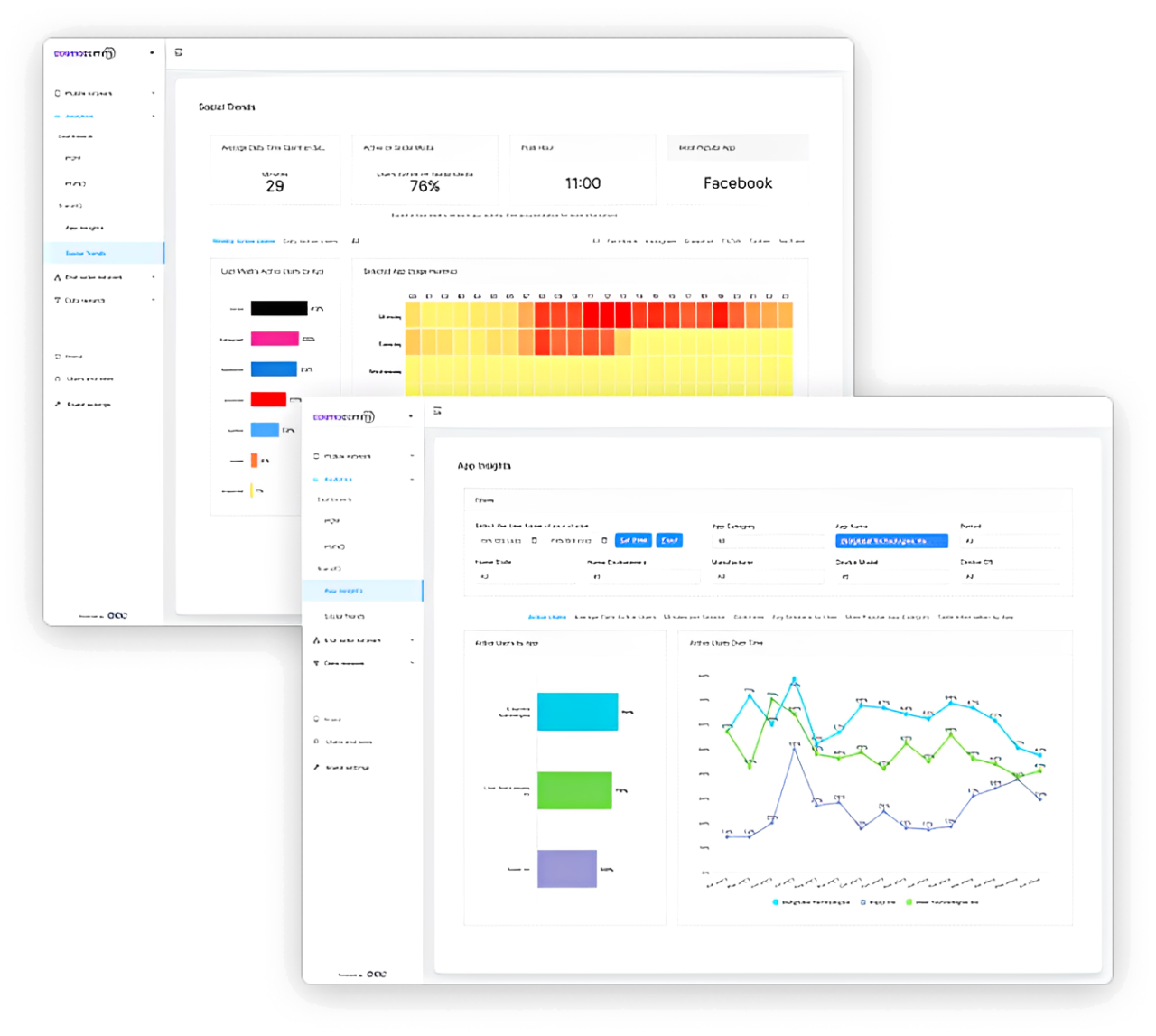
The company’s strategy extends beyond providing internet access. Oxio is also betting on the commercial value of aggregated and anonymized user data generated through connected devices and mobile activity.
The company believes telecom revenues in the future may rely less on selling mobile data plans and more on developing data-driven services for industries such as logistics, transportation, mobility, and finance.
Through this model, governments and businesses could potentially use anonymized data to optimize transportation routes, identify traffic patterns, and anticipate urban congestion.
Although Oxio has stated that it does not intend to work with personally identifiable information, the strategy raises broader discussions around data privacy, regulation, and the growing role of digital information in telecom services.
The Acquisition Could Rapidly Expand Oxio’s Scale
If regulators approve the transaction, Oxio would dramatically increase its presence in the telecom sector. The company currently manages close to two million users in the United States, but the acquisition of Movistar México would expand its reach to more than 21 million mobile lines in Mexico.
The operation would position Oxio as one of the largest and most unconventional telecom players in the Mexican market, introducing a business model centered on cloud infrastructure, artificial intelligence, satellite connectivity, and data monetization rather than traditional network ownership.