
QI Tech Acquires Autobanking to Enter Brazil’s Auto Financing Market
QI Tech acquires Autobanking to enter Brazil's vehicle financing market, aiming to scale its lending infrastructure and accelerate growth.

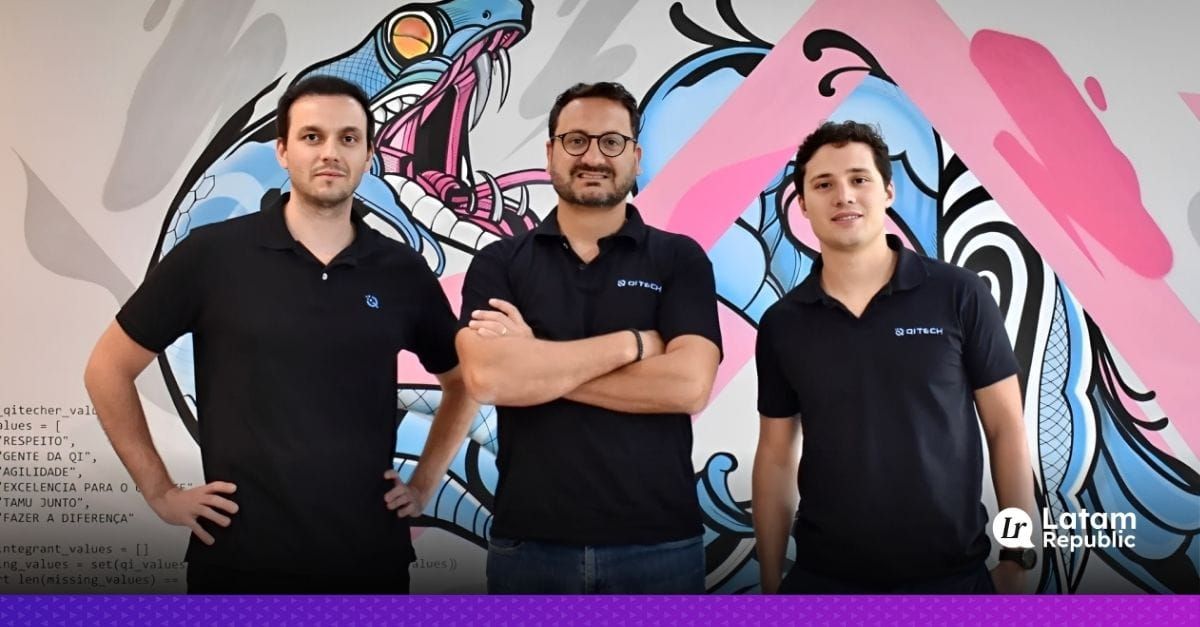
QI Tech has acquired Autobanking, a vehicle financing platform, marking the fintech's entry into one of Brazil's largest credit markets. The acquisition supports the company's strategy of sustaining annual growth above 50% by expanding into new lending segments.
The transaction, which included cash and a share swap, was completed with QI Tech acquiring 100% of Autobanking's operations. Financial terms were not disclosed. Autobanking founders Fredy Evangelista and Heitor Orletti will become partners at QI Tech following the deal.
"Our challenge today is no longer growing within the markets where we already operate, but finding new markets large enough for the company to continue growing at this pace," said Pedro Mac Dowell, CEO of QI Tech.
QI Tech enters one of Brazil's largest credit markets
Founded in 2023, Autobanking developed a platform integrated with dealership and vehicle retailer systems, allowing financing requests to be captured directly at the point of sale.
Today, the company serves more than 80 businesses, representing over 1,000 sales locations across Brazil.
The vehicle financing market processes approximately R$280 billion (around US$50.9 billion) in new credit annually, making it one of the country's largest lending segments. Despite its size, the market remains largely concentrated among a small number of major banks.
Rather than competing directly with those institutions, QI Tech intends to replicate the financial infrastructure model it has already implemented across other credit verticals.

Lending infrastructure instead of balance-sheet lending
Traditionally, when a dealership sells a financed vehicle, the transaction is submitted to a large bank, which approves the credit, funds the loan using its own balance sheet and retains the asset on its books. QI Tech plans to change that process.
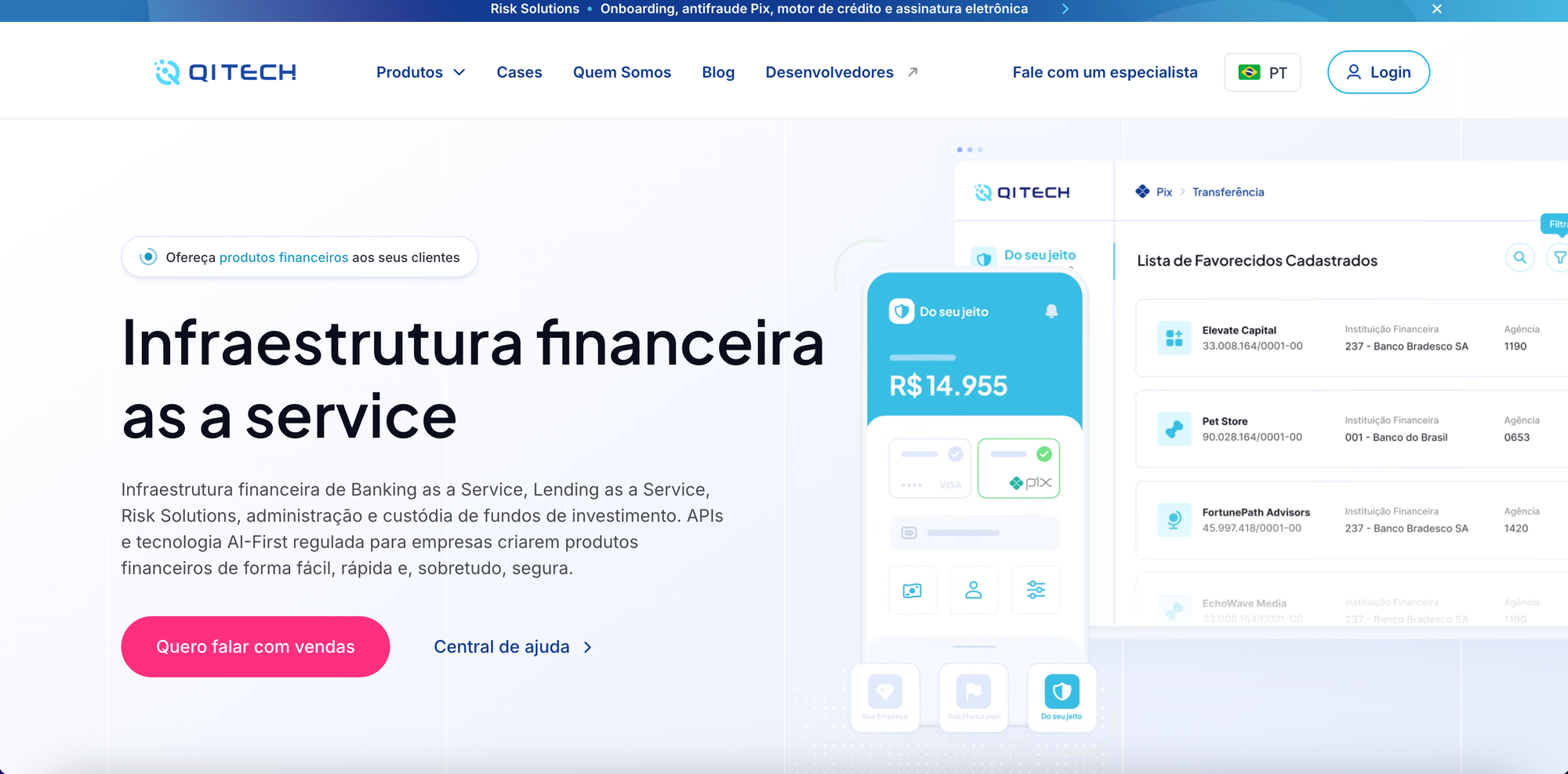
Autobanking will continue generating financing demand inside dealerships, while QI Tech will manage the technological infrastructure behind each loan, including credit analysis, contract formalization, financial settlement and servicing.
The company said this model will reduce financing approval times from several days to just a few minutes without using its own capital.
"We don't want to become a vehicle financing bank. We want to be the infrastructure connecting those who originate credit with those willing to finance it," Mac Dowell said.
Instead of funding loans directly, QI Tech plans to structure financing through FIDCs and other securitization vehicles, enabling asset managers, credit funds, mid-sized banks and even dealerships themselves to finance the loans.
Before the acquisition, Autobanking participated in financing transactions through its own FIDC. Following the acquisition, that portfolio is no longer part of the business.
Growth targets following the acquisition
Autobanking currently generates approximately R$50 million (around US$9.1 million) in annual revenue.
QI Tech aims to increase that figure to roughly R$300 million (around US$54.6 million) over the next 12 months by charging a take rate ranging between 0.5% and 1% on processed transactions.
Over the longer term, Mac Dowell expects the automotive financing business to contribute between 10% and 20% of the company's total revenue.
For this year, QI Tech projects total revenue between R$1.8 billion and R$2.0 billion (approximately US$327 million to US$364 million) while maintaining annual growth and profit margins above 50%.
The CEO also sees opportunities beyond vehicle financing, including secured lending products and financing solutions that would allow dealerships to use vehicle inventories as collateral for working capital.
Operational expertise strengthens the new business
Beyond its financing platform, Autobanking brings operational capabilities considered strategic by QI Tech.
The company has developed expertise in one of the most complex areas of automotive lending: vehicle recovery after borrower default.
This process involves registering collateral, managing collections, locating repossessed vehicles, completing judicial recovery procedures, storing the assets and ultimately reselling them.
According to Mac Dowell, maintaining Autobanking's founders in leadership roles was an important part of the acquisition because of their operational experience in managing these processes.