Rodrigo Costa leads SoftBank Brazil in new leadership transition across Latin America
SoftBank has appointed Rodrigo Costa to lead its Brazil operations as Alex Szapiro steps down after five years, while Juan Franck takes responsibility for the rest of Latin America.

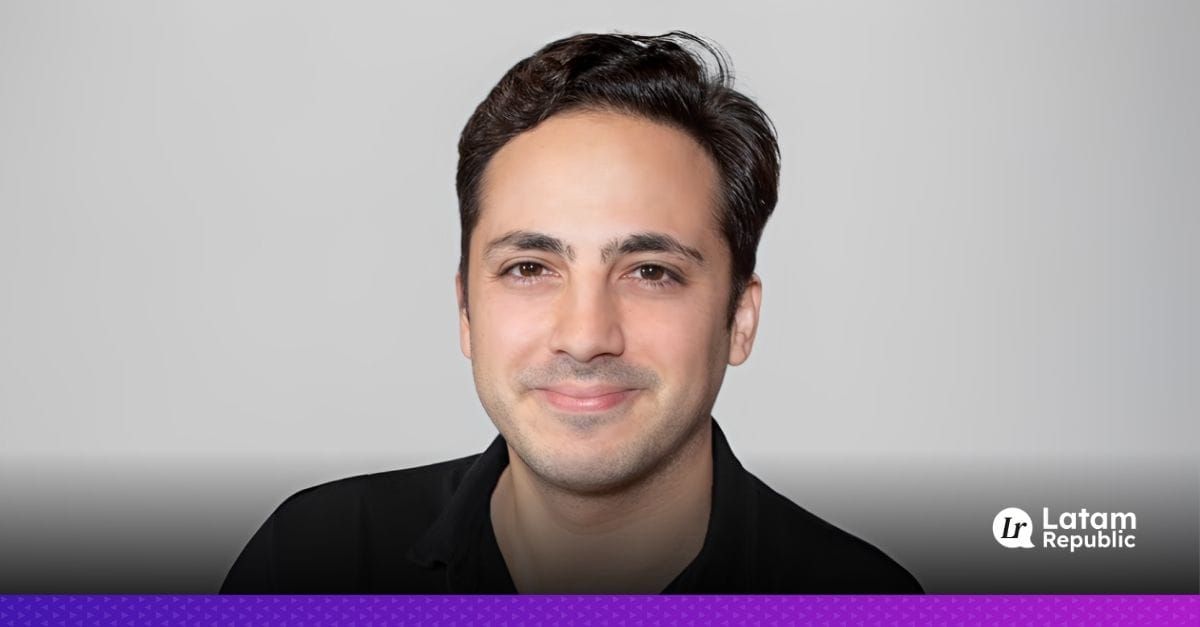
SoftBank has announced a leadership transition in Latin America, with Rodrigo Costa assuming responsibility for the firm's operations in Brazil while Juan Franck takes over leadership across the rest of the region. The changes follow Alex Szapiro's decision to leave the company after five years overseeing its Latin American business.
Leadership transition marks a new chapter for SoftBank in Latin America
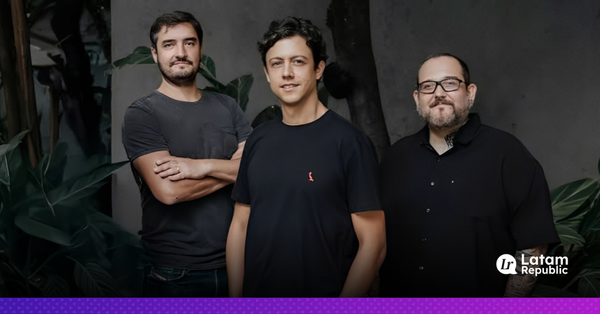
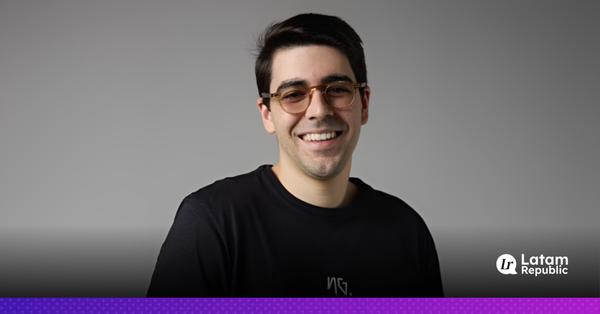
The transition will be completed by the end of September. Rodrigo Costa, who has been with SoftBank since 2019, will lead the firm's Brazil operations, while Juan Franck, who joined the investment fund in 2022, will oversee the remainder of Latin America.
Alex Szapiro said the decision to step down was made with confidence in both the leadership team and the current state of the portfolio.
"It was the easiest decision I've ever made in my life," he said.
According to Szapiro, nearly all of SoftBank's approximately 70 active portfolio companies are now operating independently, a significant change from the situation he encountered when he joined the company in 2021.
He also noted that between 10 and 15 portfolio companies are prepared for potential initial public offerings (IPOs), with two or three already testing investor interest through non-deal roadshows.
Although discussions about his departure began in January, the final decision was made about a month ago. Szapiro said he intends to explore new opportunities as the technology market continues to evolve.
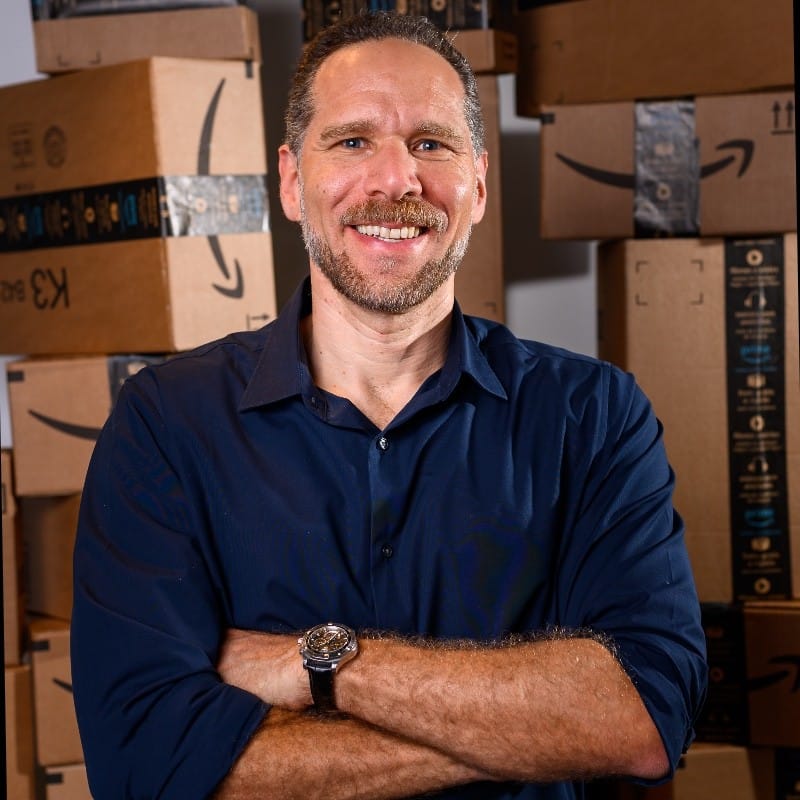
"I'll turn 56 this year, and I expect to keep working with this energy until my seventies. There's no better time than now to look at new opportunities," he said.
While he has already held preliminary conversations about future roles, Szapiro said he expects to define his next professional step closer to the end of the year after completing the transition. His confirmed position outside SoftBank is serving as a board member at Chilean retailer Falabella.
Before joining SoftBank, Szapiro led Amazon's arrival in Brazil and previously headed Apple and Palm's operations in the country.
SoftBank says leadership changes do not affect its long-term strategy
The announcement comes roughly one month after Eduardo Vieira, who has led SoftBank's communications in Latin America since 2021, revealed he would split his time with a new role as Vice President of Operations for Private Clients at communications agency FSB.
Szapiro emphasized that these leadership changes do not alter SoftBank's investment thesis or long-term commitment to the region.
"Our relationship with founders demonstrates that commitment. We are not a tourist fund. We have a long-term commitment," he said.
He explained that SoftBank's Latin American operation consists of approximately 40 professionals globally, including a dedicated team of 13 employees based in São Paulo's Pinheiros district.
Szapiro argued that the firm's local presence differentiates it from many investment funds, highlighting its hands-on support for portfolio companies. As an example, he recalled participating in a product roadmap meeting covering the following 24 months for one of its portfolio companies.
AI strategy shapes SoftBank's investment approach

Since launching its Latin America Fund in 2019, SoftBank has completed around 100 investments totaling nearly US$8 billion across the region.
According to Szapiro, those investments helped increase global visibility for the Latin American startup ecosystem, although they also introduced market distortions because of the unprecedented scale of capital deployed.
As the company shifted its investment strategy toward artificial intelligence, SoftBank has not completed any new investments over the past two years.
With typical investment sizes ranging between US$30 million and US$50 million, Szapiro said the firm has struggled to identify companies that have reached the appropriate stage of maturity.
"It doesn't make sense to invest right now. Companies need a little more time to reach the ARR level that makes us comfortable investing," he said.
He added that the most promising opportunities lie in AI application layers and in supporting existing companies as they incorporate artificial intelligence to scale their operations.
Portfolio management remains an active priority
Although SoftBank has not announced new investments during the past two years, Szapiro said the investment team has remained highly active.
The firm completed 12 transactions involving portfolio companies, including follow-on investments, secondary share sales, and mergers and acquisitions.
"The team is very busy. That's one of our biggest priorities," he said.