
Satellites on Fire accelerates U.S. expansion with US$2.7M funding from Dalus Capital
Satellites on Fire raises US$2.7M to scale its AI-powered wildfire detection platform, enabling faster response, reducing impact, and expanding into the U.S. market.


Satellites on Fire has secured US$2.7 million in a seed funding round to accelerate its AI-driven platform designed to detect and respond to wildfires faster and more effectively across the globe.
The round was led by Dalus Capital and included participation from Draper Associates, VitaminºC, Draper Cygnus VC, and several other investors.
A software-first approach to wildfire detection
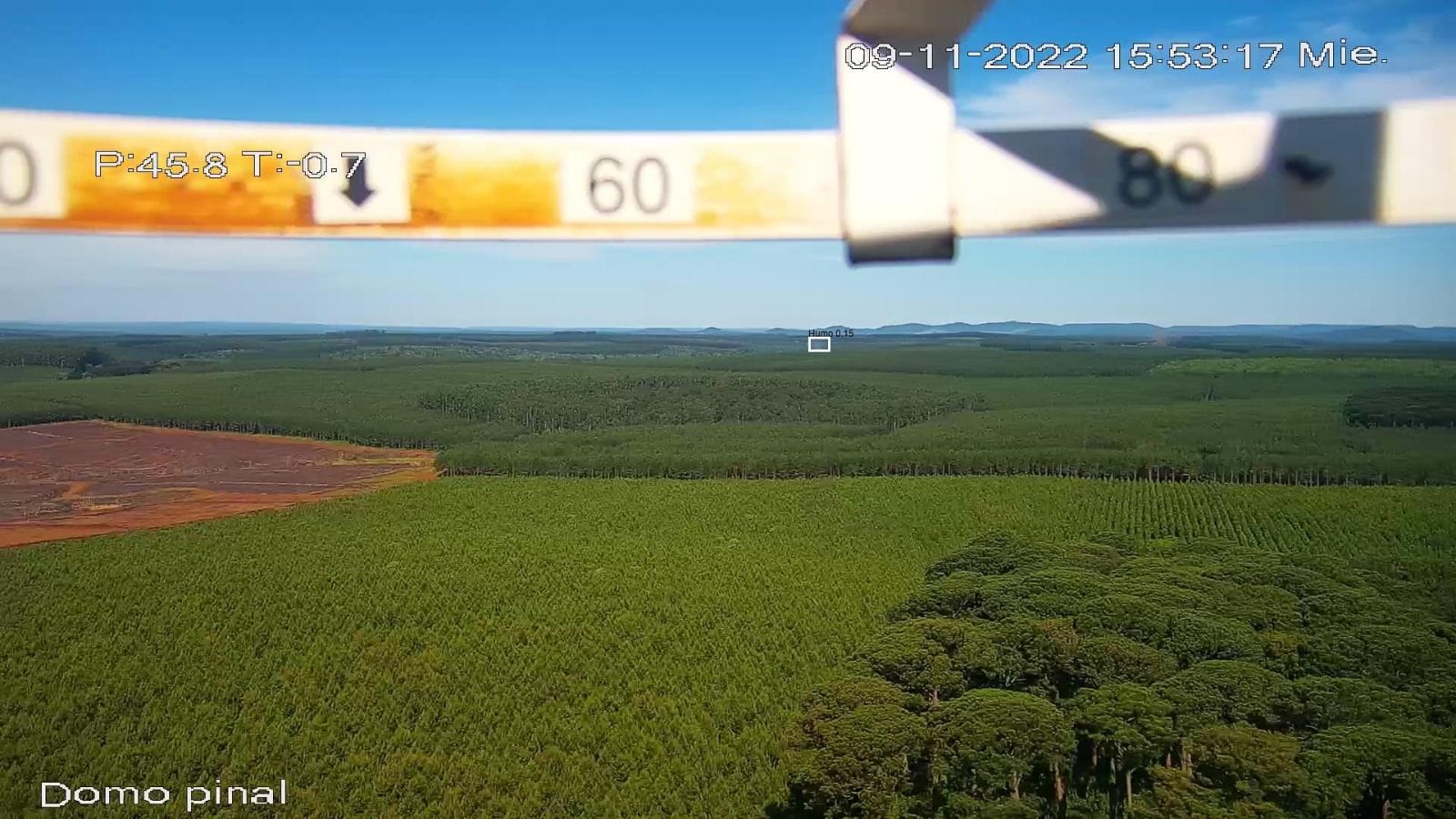
Founded and led by CEO Franco Rodriguez Viau, the climate-tech startup is building a comprehensive protection platform that combines satellite imagery updated every five minutes, tower-based cameras, fire propagation simulations, and real-time alerts delivered via WhatsApp, email, or SMS.
The company aims to enable emergency teams to respond earlier and improve containment outcomes.
“In 2025, our system helped respond to more than 600 wildfires,” said Rodriguez Viau. “Our mission is to use technology to protect communities and preserve biodiversity and forests before it’s too late.”
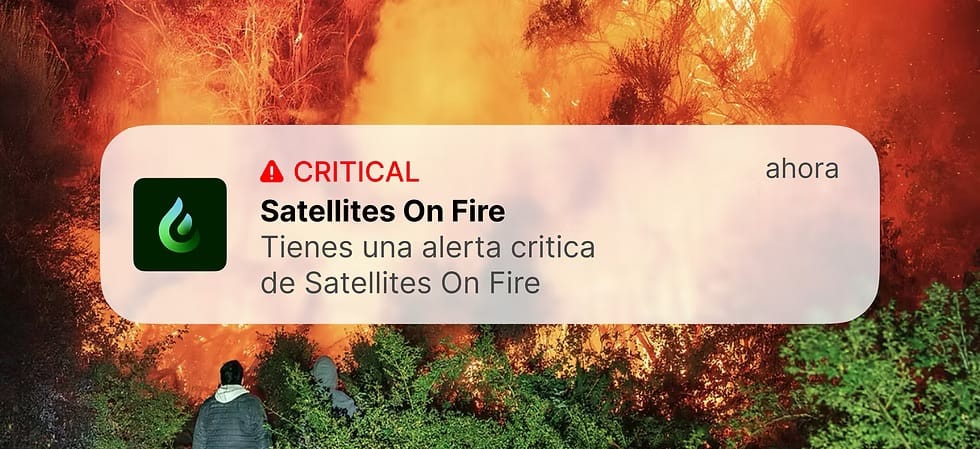
Unlike traditional solutions that depend on proprietary satellites or costly hardware infrastructure, Satellites on Fire operates as a software platform capable of integrating multiple detection technologies. This approach allows the system to identify wildfires, on average, 35 minutes earlier than NASA’s FIRMS system, significantly improving response times.
John Mills, CEO of WatchDuty and advisor to the company, highlighted the platform’s performance:
“What Satellites on Fire is achieving with currently available data is truly remarkable. Our team was genuinely astounded by their results.”
Building data and scale across continents
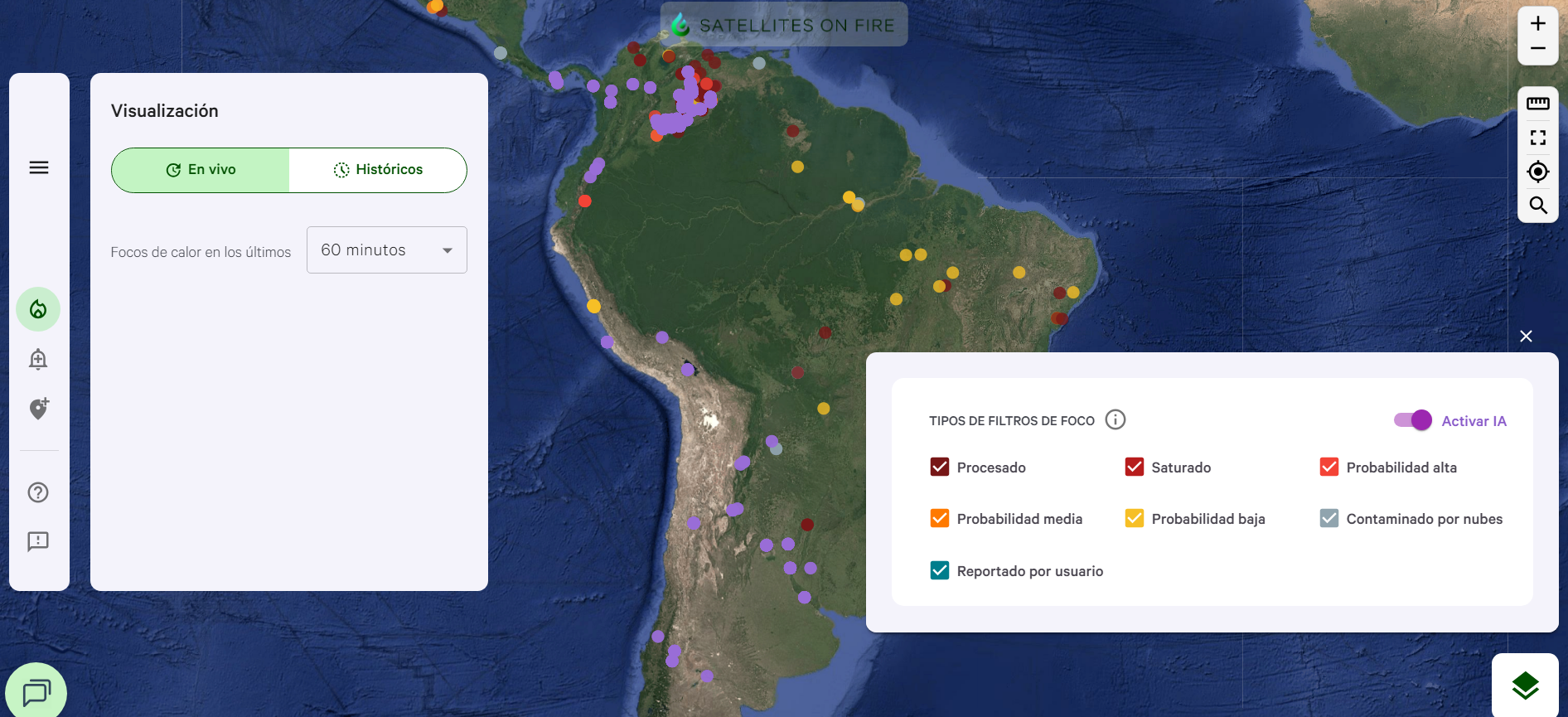
The startup has developed what it describes as the largest database of validated wildfire reports in Latin America. Through a freemium model with more than 55,000 users, the company has trained its AI using over 20,000 field-validated fire reports.
Currently, the platform monitors territories in 21 countries across four continents, serving clients such as forestry companies, agricultural businesses, energy utilities, insurers, carbon credit projects, and government agencies.
Companies including Forestal Argentina, Genneia, and Quilmes are already using the platform to protect operations and support sustainability goals.
Diego Serebrisky, Co-founder and Managing Partner at Dalus Capital, noted:
“We look for companies that leverage technology to solve the planet’s most critical problems. Satellites on Fire has proven that through the intelligent use of AI and real-time satellite data processing, it is possible to stay ahead of environmental catastrophes.”
Insurance integration and real-world impact
The platform has also been integrated into AON’s forestry insurance policies across Latin America, where it is used for risk calculation and mitigation, helping reduce insurance premiums for policyholders.
From the client side, Generation Forest Invest emphasized its effectiveness: “We were able to detect several fires early and act quickly. The system is agile, precise, and extremely useful in the field.”
Expansion into the United States
With wildfires costing the United States an estimated US$424 billion annually, the company is expanding its footprint in the country. The fires in Los Angeles in early 2025 further highlighted the need for faster and more accurate detection systems.
Satellites on Fire is already running pilot programs with agencies in the U.S. and collaborating with organizations such as Watch Duty to strengthen response capabilities.
What’s next for Satellites on Fire
The newly raised capital will be used to scale operations in the U.S., enhance AI models, and develop new solutions, including a parametric wildfire insurance product in partnership with AON.
Additionally, the company plans to launch an intelligence dashboard to help clients optimize protection strategies and create tools to measure avoided CO₂ emissions resulting from faster wildfire containment.
The round also included investors such as Savia Ventures, Avesta Fund, Reciprocal, Zenani Capital, Innventure, Air Capital, Gain VC, Antom VC, and Embarca Tech.