
Sharpi Secures US$4 Million to Expand Conversational B2B Sales Platform
Sharpi raises US$4 million in Seed funding to scale its WhatsApp-based B2B sales platform, expand its team and develop autonomous AI agents.


Sharpi, a Brazilian startup that automates B2B sales through WhatsApp conversations, has raised a US$4 million Seed round as it accelerates customer growth, expands its team and develops a new generation of autonomous AI agents for sales.
Sharpi Secures New Funding to Support Rapid Growth
The round was led by NXTP and ONEVC, with participation from Clocktower Ventures and MAYA Capital. It represents Sharpi’s second funding round after the company raised US$1.2 million in pre-Seed funding last year from MAYA Capital and investors including André Street of Stone, Mariano Gomide and Geraldo Thomaz of VTEX, Guilherme Bonifácio of iFood, and Hypersphere, the fund created by the founders of Hyperplane.
According to founder and CEO Kim Rawicz, the new investment follows a significant increase in the company’s customer base. Sharpi grew from approximately six active customers to more than 20 in recent months.
The immediate priority is to strengthen the team and product to support that expansion.
“Until the end of this year, our main objective is delivery,” Rawicz said. “Many customers came in, and the team, which was small, became focused on the product for those already in the customer base.”
Over the next six months, the company plans to significantly expand its engineering team. Sharpi also expects to make hires in sales and operations.
Building the Next Generation of Autonomous AI Agents
Part of the new funding will go toward developing a new generation of autonomous AI agents.
The goal is for these agents to independently handle parts of the sales process, including demand generation, order processing and customer reactivation.
Sharpi’s current platform already automates day-to-day tasks for sales representatives, but it still operates primarily as a copilot that requires human validation. The company now wants to move toward a model in which AI can take on more of these processes autonomously.
From Gastronomy to B2B Technology
Sharpi was formally founded in 2023 by Kim Rawicz and Alexandre Philippi, who serves as CTO.
Before entering technology, Rawicz, who is 24, had built businesses in the food industry. A Gastronomy graduate, he previously operated a brownie distributor and managed a pastry shop. His move into technology came from a desire to create greater impact in less time.
Sharpi initially focused on restaurants, developing low-code back-office solutions. However, the model did not work because restaurants were primarily purchasing through WhatsApp rather than traditional systems.
After several pivots, the company moved toward its current focus on industries and distributors and launched its first successful product: a sales copilot designed to reduce the operational workload of sales representatives.
That was when Rawicz met engineer Alexandre Philippi, who later took responsibility for the company’s technology.
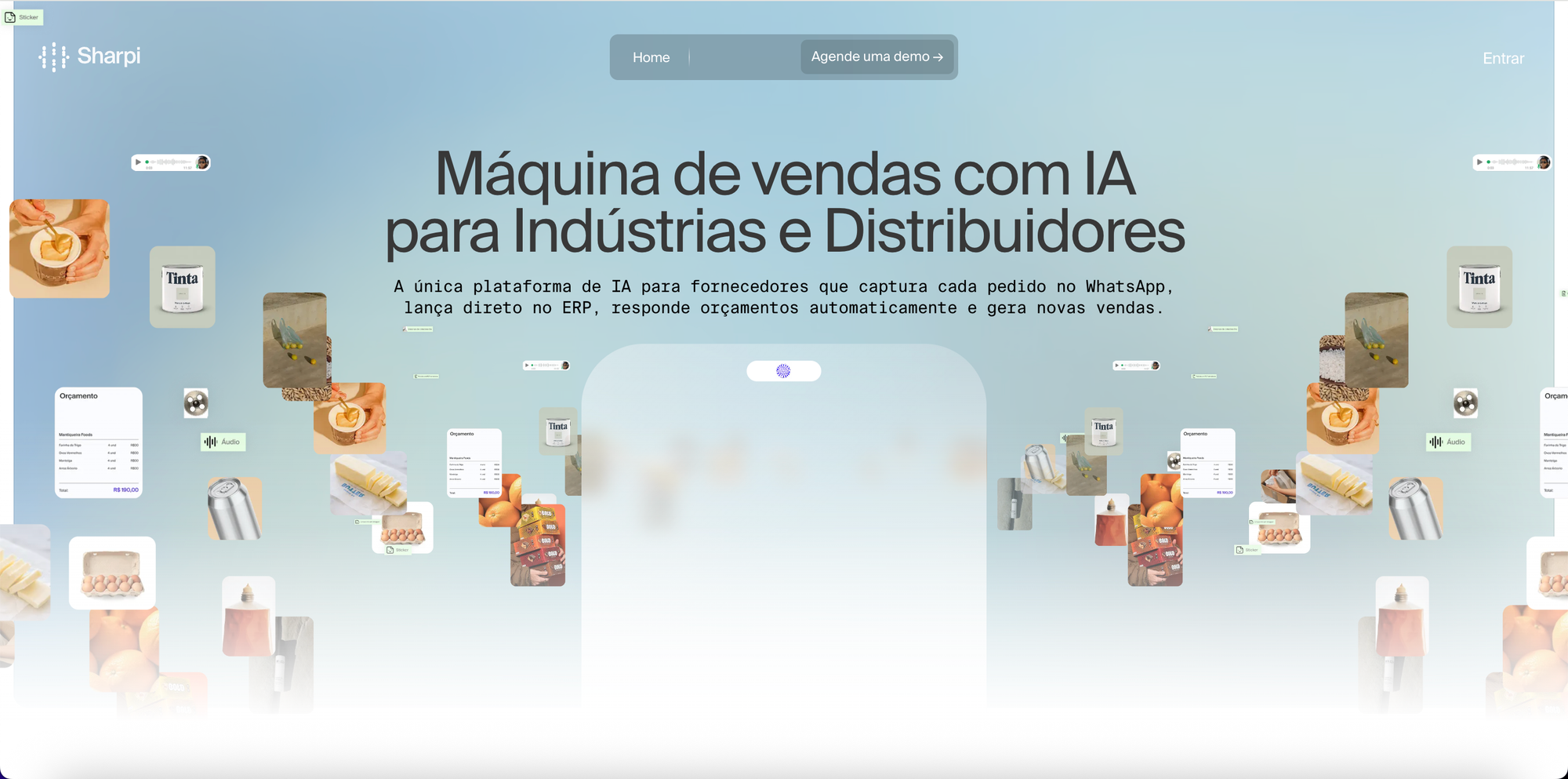
How Sharpi Automates B2B Sales
Sharpi has developed a conversational sales platform for distributors and manufacturers that sell fast-moving products with relatively low ticket sizes.
Its customers include Mantiqueira Brasil, Bold Snacks, Bidfood, Rio Quality, Disdal, Nilo Tozzo and Cayena.
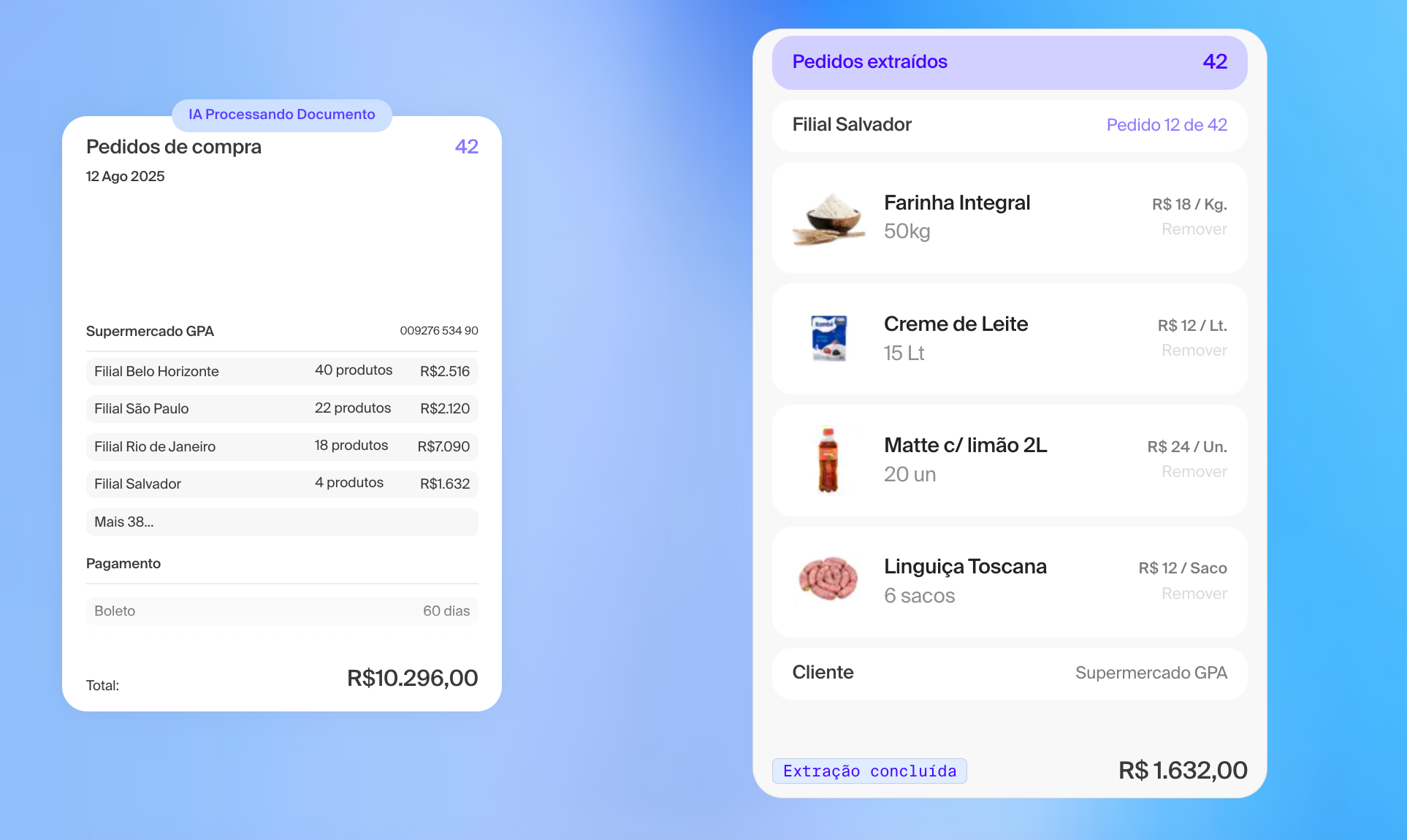
The platform connects to each sales representative’s WhatsApp and processes orders and quotations received through text, audio, images or files. It then automatically transfers that information into management systems such as SAP, Totvs and Sankhya.
According to the company, this reduces order-processing time from as much as eight hours to approximately 30 minutes.
Beyond operational automation, the platform can proactively suggest products, execute campaigns from manufacturers, reactivate inactive customers and automatically follow up with clients.
These functions address tasks that would normally depend on additional discipline from sales representatives while directly affecting revenue.
Sharpi also provides a management layer that helps companies understand sales activity fragmented across WhatsApp, email and spreadsheets. The platform can identify why a sale was lost or determine which orders could not be fulfilled because of insufficient inventory.
Technology Designed to Empower Sales Representatives
Despite its focus on automation, Sharpi does not position its technology as a replacement for salespeople.
“That is far from what we want. We believe in empowering salespeople,” Rawicz said.
He pointed to the performance gap that can exist within the same sales organization, where one representative can sell R$400,000 per month while another sells R$50,000.
According to Rawicz, Sharpi’s objective is to use technology to reduce that gap and enable more sales representatives to reach higher levels of performance without sacrificing the human interaction, personalization and relationships that remain important to B2B sales.
The company has already processed more than R$2 billion in transactions and has a contracted annual recurring revenue (ARR) of US$720,000. Its goal is to reach US$8 million in ARR by the end of 2027.
WhatsApp Integration as a Key Differentiator
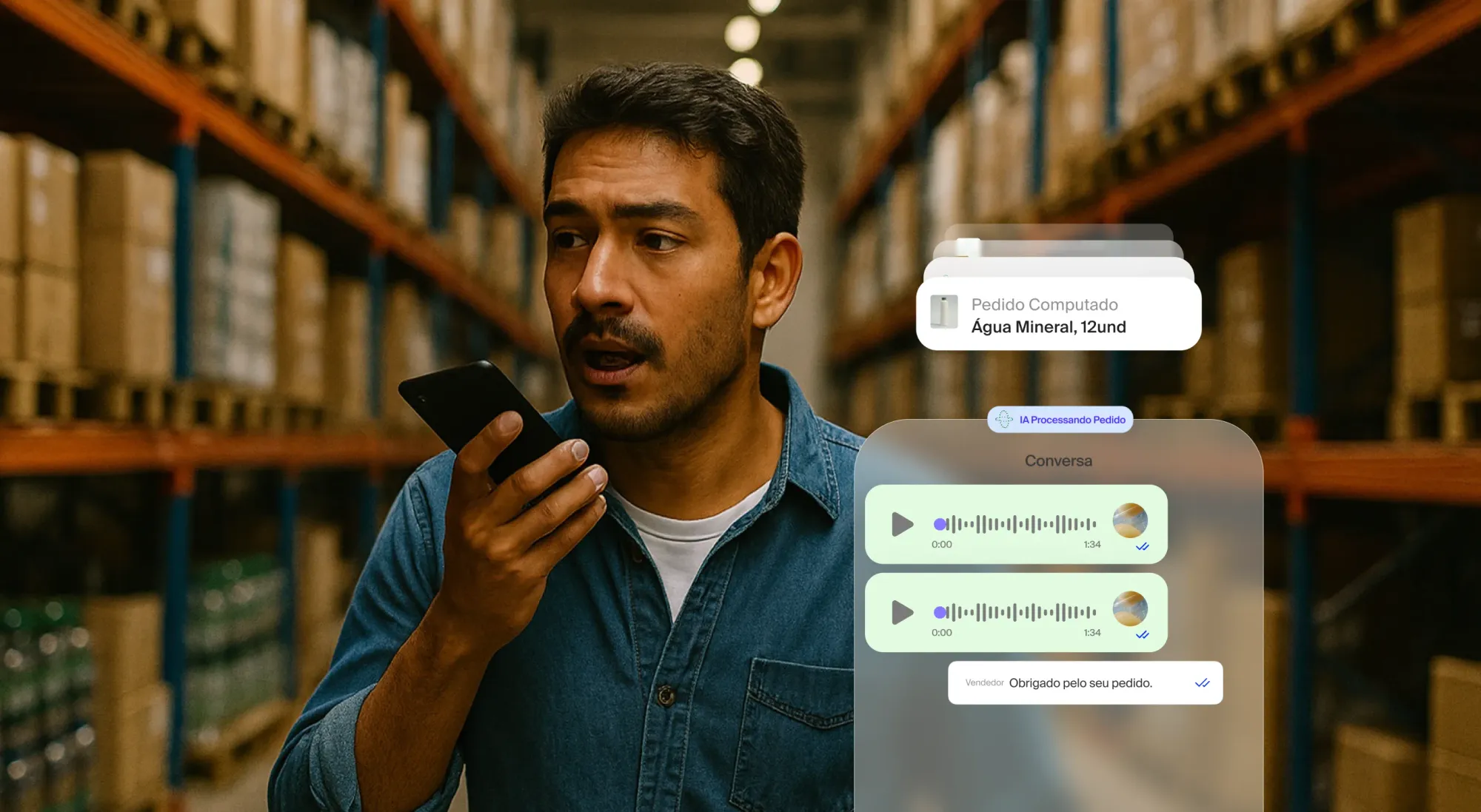
According to Rawicz, one of Sharpi’s main differentiators is its direct integration with WhatsApp.
Most CRMs and sales-force tools, he argues, are passive and require sales representatives to manually update information. Sharpi instead automates part of the salesperson’s workload and can proactively generate sales opportunities.
The company’s focus on distributors with telesales teams and recurring, low-ticket sales is another element that differentiates its offering. According to Rawicz, there is currently no other tool in the market specifically designed for this type of customer.
With its new US$4 million Seed round, Sharpi is now focused on scaling its team, deepening its product and advancing toward more autonomous AI-powered sales processes.