TraderPal Secures US$15 Million to Build a Global Tokenized Asset Distribution Network
TraderPal secures a US$15 million commitment from Tek Innovation to expand tokenized asset distribution between global markets and Japan.

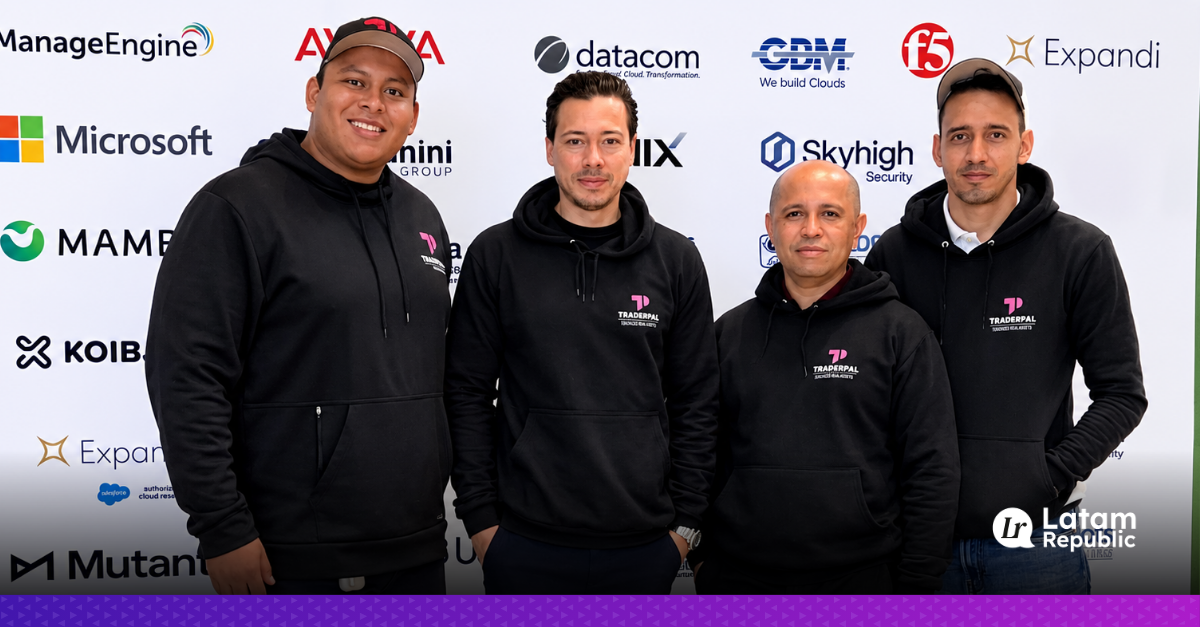
TraderPal has secured a US$15 million investment commitment from Tek Innovation, the Miami-based family office that previously backed the company with US$10 million in early 2023. The new capital will support TraderPal Token K.K., the group's tokenization arm in Tokyo, and its sister operation, TraderPal Token LATAM, as the company seeks to connect tokenized assets from Latin America, the United States and Europe with investors in Asia.
The investment comes as the tokenized asset market moves beyond its pilot phase. TraderPal's thesis is that the main challenge is no longer the technology or the structuring of tokenized assets, but their placement and access to investors.
“Latin America, the United States and Europe know how to tokenize; what they lack is someone to sell it to. Japan has the investors, the regulation and the infrastructure. We are the bridge,” said Lester Pereira, CEO and founder of TraderPal.
TraderPal's strategy: connecting asset origin with investor demand

Tokenization projects involving real estate, energy, infrastructure and private debt have expanded across Latin America, the United States and Europe. However, many projects continue to face challenges after issuance, including fragmented markets, limited investor bases for tokenized products and a lack of secondary liquidity.
TraderPal Token is positioning itself around this gap. Through partnerships with major financial institutions in Japan and other Asian markets, the company seeks to provide distribution channels for large-scale projects originating in Latin America, the United States and Europe.
According to the company, these Asian markets have spent approximately five years building and developing the infrastructure surrounding tokenized assets. This gives issuers access to one of the world's most developed markets for regulated digital securities, with both retail and institutional investors already familiar with the product.
Japan's tokenized securities market reaches US$2.2 billion
Japan has built a significant market for security tokens in recent years. According to the annual report from BOOSTRY, the Nomura Group platform, Japan had accumulated ¥333.3 billion, approximately US$2.2 billion, in public security token offerings through March 2026, across 82 issuances.
The market has also accelerated. Public offerings totaled ¥97.6 billion in fiscal 2023, followed by ¥46.4 billion in 2024, a slowdown attributed to tax uncertainty, and ¥165 billion in 2025. Seven transactions during the most recent year exceeded ¥10 billion each.
Those figures cover public offerings alone. In February 2026, Progmat, the platform backed by Mitsubishi UFJ and a market leader in Japan, moved ¥439.6 billion, approximately US$3 billion, in tokenized securities to an Avalanche network. The transaction was described as the largest transfer of regulated financial instruments to a public blockchain.
BOOSTRY expects ¥200 billion in new public issuances during fiscal 2026, bringing the cumulative total to ¥530 billion, or approximately US$3.5 billion. Around 85% of the securities issued during the previous year were real estate assets, while the remainder consisted of corporate bonds and private equity.
Traditional financial institutions built Japan's tokenization ecosystem
Japan's tokenization market has developed differently from markets where startups have played the leading role. In Japan, major financial institutions have been central to the creation of the ecosystem.
Large banking groups, leading securities firms such as Nomura, Daiwa and SBI, and, more recently, regional banks acting as distributors, are now part of the market.
The development of the ecosystem includes several key milestones:
- October 2019: SBI, Nomura, Rakuten Securities and three other securities firms establish the Japan Security Token Offering Association, which was later recognized as a self-regulatory organization.
- May 2020: A reform to the Financial Instruments and Exchange Act takes effect, creating the security token category.
- October 2020: SBI conducts the first institutional security token offering on the ibet network.
- 2021: Sumitomo Mitsui Trust Bank issues the first credit-rated tokens; MUFG launches real estate tokens through Progmat; and Osaka Digital Exchange (ODX) is established.
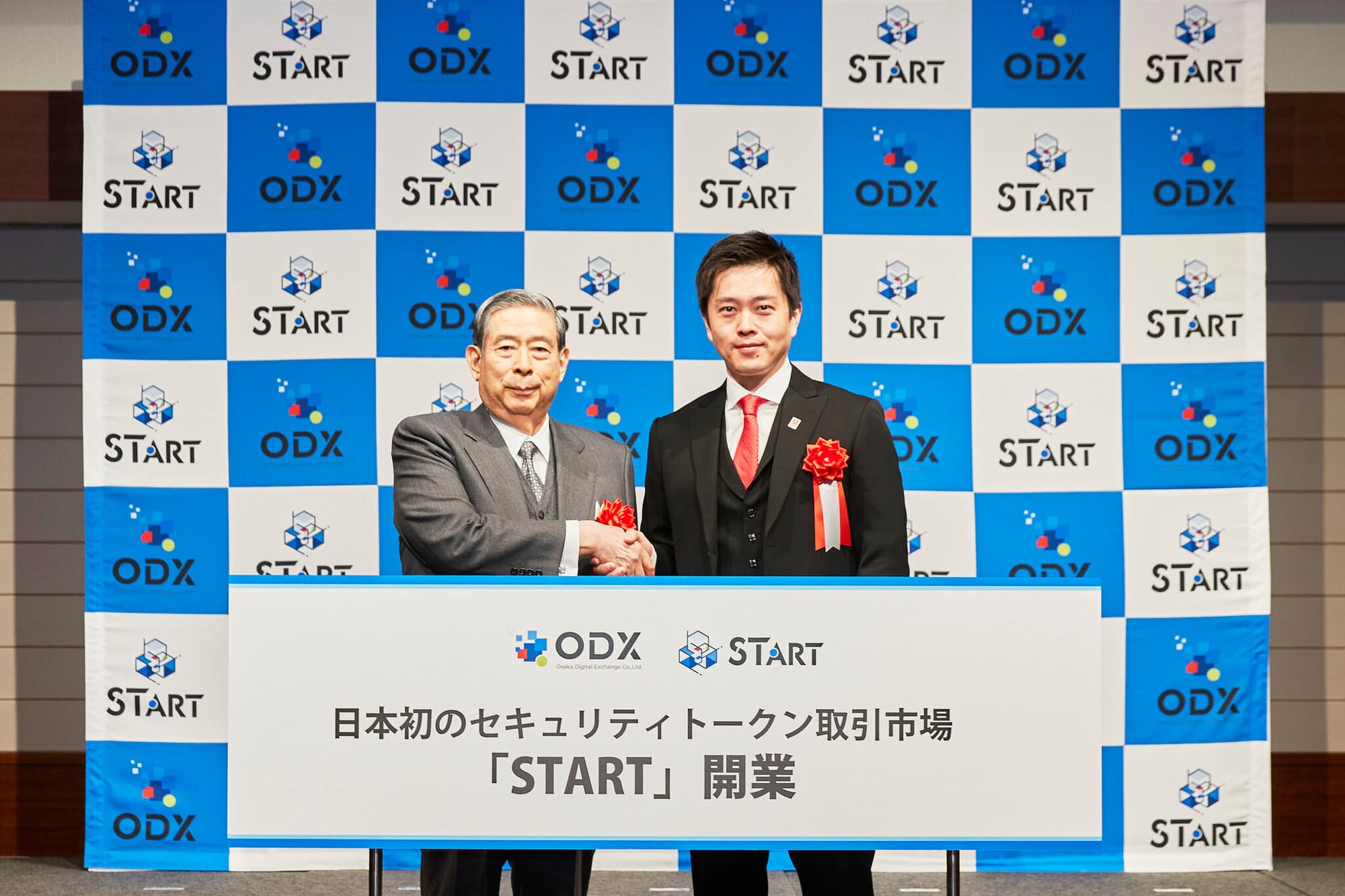
- December 2023: ODX launches START, a secondary market for security tokens.
- February 2026: Progmat moves its tokenized assets to a public blockchain.
START creates a regulated secondary market
Osaka Digital Exchange was founded by SBI and backed by SMBC, Nomura, Daiwa and Cboe. On December 25, 2023, it launched START, a secondary market dedicated exclusively to security tokens.
The platform is supervised by Japan's Financial Services Agency and connected to the country's major securities firms, creating a regulated infrastructure specifically designed for secondary trading of tokenized securities.
START began with two real estate issuances and recorded 110 transactions during its first month. By March 2026, eight tokens were trading on the platform, with a combined capitalization of ¥33.6 billion. The platform has also added tokenized bonds for retail investors, while its roadmap includes aircraft, ships and renewable energy.
Japanese investors and the search for higher returns
Japan's large pool of household financial assets is another factor behind TraderPal's strategy.
Japanese households hold ¥2.386 quadrillion in financial assets, according to the Bank of Japan. Approximately 47%, or ¥1.126 quadrillion — around US$7.5 trillion — remains in cash and deposits, which grew by only 0.6% over the previous year.
The Bank of Japan raised its benchmark interest rate to 1.25% on September 18, its highest level in 31 years. Even so, the country's three megabanks pay approximately 0.4% annually on savings accounts.
Japanese investors are generally conservative and tend to favor regulated products, tangible assets and stable cash flows purchased through banks or securities firms they already trust.
Security tokens fit this profile because they are securities governed by securities market legislation and distributed through established financial channels. Several real estate issuances have sold out quickly, in some cases supported by benefits such as discounted stays at hotels within the underlying portfolios.
For TraderPal, this creates an opportunity to connect Japanese demand for regulated investment products with assets offering higher potential returns in other markets.
A cross-border model for tokenized assets
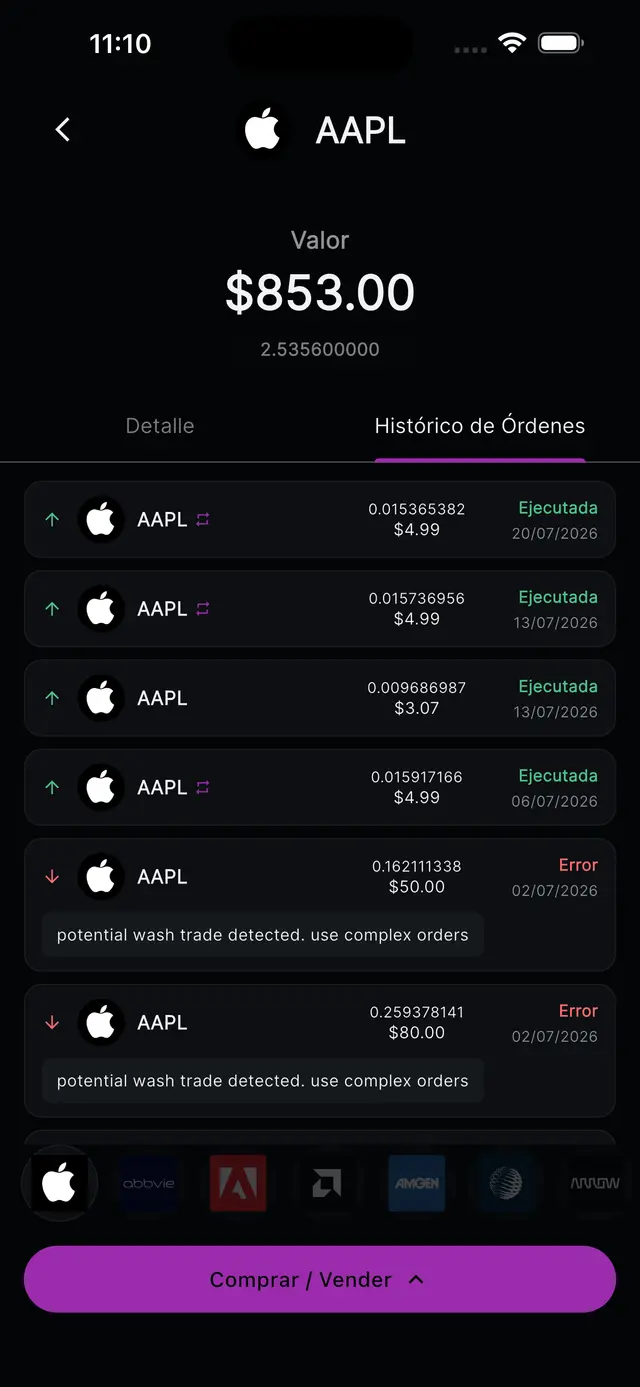
TraderPal's operating model connects asset origination in Latin America, the United States and Europe with distribution in Japan.
TraderPal Token LATAM focuses on the origin side, while TraderPal Token K.K. manages the destination side through its Tokyo-based tokenization structure.
The model is built around four stages:
- Origination: TraderPal Token LATAM identifies large-scale projects and assets with institutional quality and scale.
- Structuring: The company designs the legal and financial vehicle for the underlying asset.
- Packaging: The LATAM and Tokyo operations adapt the product to Japanese regulatory and investment requirements.
- Placement: TraderPal distributes the tokens through major financial institutions, reaching both retail and institutional clients, including pension funds.
TraderPal describes this as a full-cycle regulated bridge between real-world assets in Latin America, the United States and Europe and Asian capital.
The model was also a factor in attracting Tek Innovation as the holding's first investor in 2023.
“Latin America, the United States and Europe have first-class assets at a discount because of a lack of market access. By connecting them with Japanese investors, the project obtains capital and the investor obtains diversification and returns,” said Adolfo Díaz, Managing Partner of TraderPal Token.
Targeting the yield gap
TraderPal Token is focused on projects involving infrastructure, energy, real estate and private debt across Latin America, the United States and Europe.
These projects can offer returns in U.S. dollars and euros above current Japanese market rates, while being structured to comply with local regulatory requirements.
For Japanese investors, TraderPal's proposition combines three elements: more competitive returns, diversification outside Japan and a familiar investment format distributed through trusted financial institutions.
For issuers in those three markets, the model provides access to patient, long-term capital that may not be available through their domestic markets.
“The Japanese saver does not need someone to explain what a security token is; they need assets with better returns. Latin America, the United States and Europe have them,” said Pereira.
US$15 million to fund licenses and local operations
The US$15 million commitment will finance the development and large-scale execution of TraderPal Token, initially focused on Japan, Argentina, El Salvador and Brazil.
A significant portion of the investment will go toward obtaining licenses in regulated jurisdictions to tokenize or digitize assets and establishing local operations.
The company's objective is to enable an asset originated in one country to be structured and placed in another while remaining within the applicable regulatory perimeter.
Beyond Japan, Argentina, El Salvador and Brazil, TraderPal Token plans to seek licenses in Singapore, Hong Kong, South Korea, Thailand, the United Arab Emirates and Bahrain.
Its plans in the Americas include Mexico, Chile, Uruguay, Colombia and the United States. In Europe, the company plans to pursue coverage within the European Union under MiCA, as well as in Switzerland, Liechtenstein and the United Kingdom. The expansion plan also includes Bermuda, the Bahamas and Australia.
TraderPal Token partners with Argentina's R3al Blocks
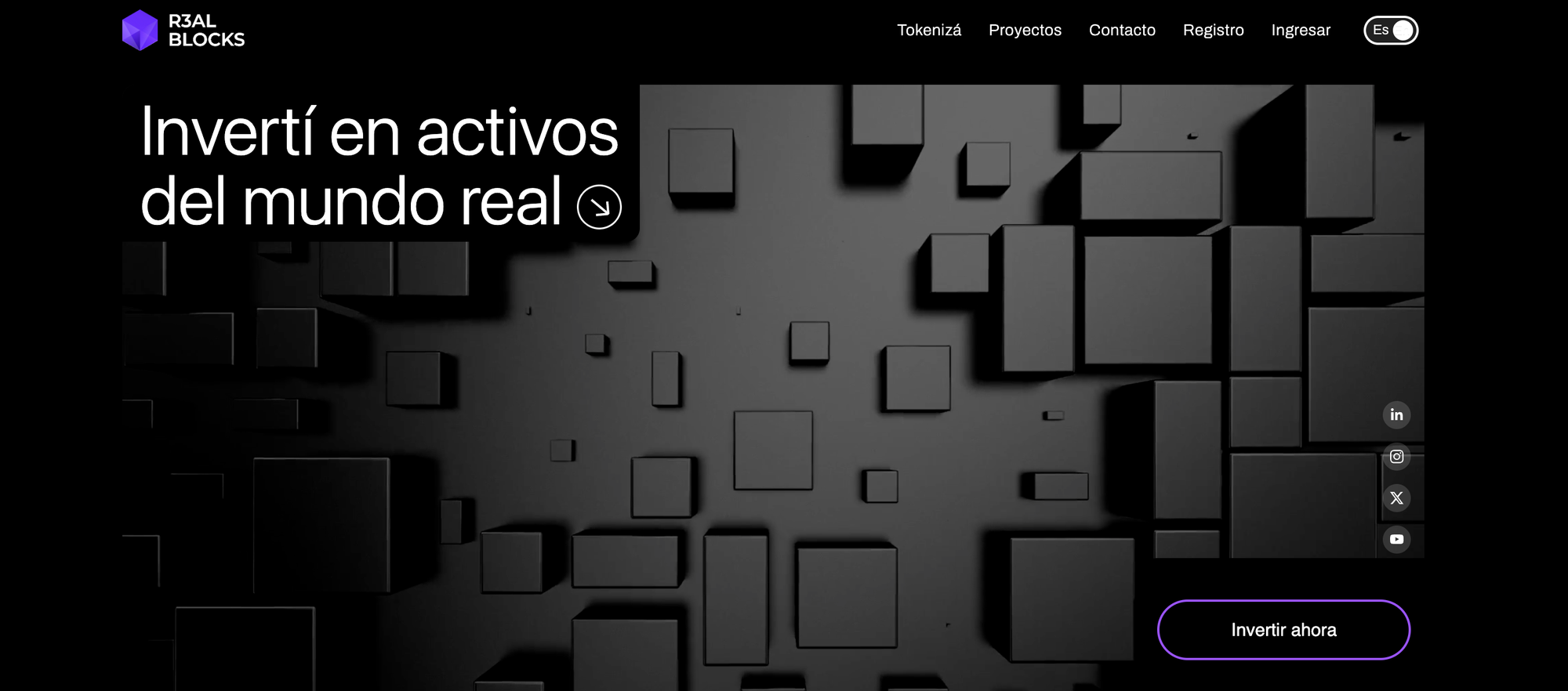
TraderPal Token has also established a regional strategic partnership with R3al Blocks, an Argentina-based real-world asset tokenization platform headquartered in Buenos Aires.
The agreement allows tokenized projects to be placed through a regulated structure in the Argentine market under the tokenization sandbox established by Argentina's National Securities Commission through General Resolution 1069/2025.
The companies will also structure projects jointly for other markets in the region, beginning with Brazil.
For TraderPal Token, the partnership adds local origination capabilities in Argentina. For R3al Blocks, it provides access to TraderPal's distribution channels in Japan.
R3al Blocks operates a marketplace for tokenized assets, including real estate, agricultural land, sports facilities and energy projects, with investments starting at US$100.
The company is led by Débora Carrizo, a specialist in real-world asset tokenization and former member of IBM's security laboratory who has also spoken at the 78th United Nations General Assembly.
“Argentina already has a framework for tokenization; the next step is connecting those assets with global investors. TraderPal Token's distribution channels in Japan open access to capital that was previously beyond the reach of our projects,” said Carrizo, CEO of R3al Blocks.
Tek Innovation increases its commitment to TraderPal
Tek Innovation is a single family office based in Miami and founded in 2020. The firm invests in deep tech and fintech companies building new infrastructure for traditional industries.
Tek Innovation initially invested US$10 million in TraderPal in early 2023, when the company was beginning to develop its operations.
With the latest commitment, Tek Innovation's total investment in the holding reaches US$25 million.
“We invest in infrastructure that changes how capital moves. TraderPal delivered what it promised in 2023 and today has something few companies have: real access to distribution in Japan,” said Angy Belluty, Principal Partner of Tek Innovation.