
Brazil's Nomad Lands USD $31M Series C to Scale AI, Investments, and Stablecoin Payments


Brazilian fintech Nomad has raised R$172 million in a Series C round led by Tether Capital, the investment arm of stablecoin issuer Tether, more than doubling its valuation to R$4 billion as cross-border finance becomes one of Latin America's most competitive fintech segments.
Endeavor, the global network that supports high-impact entrepreneurs, joined the round as a new investor, while existing backers Globo Ventures, Tiger Global Management, and Spark Capital also participated. The company's previous round, in 2023, was led by Tiger Global and valued it at R$1.8 billion.

Raising From a Position of Strength
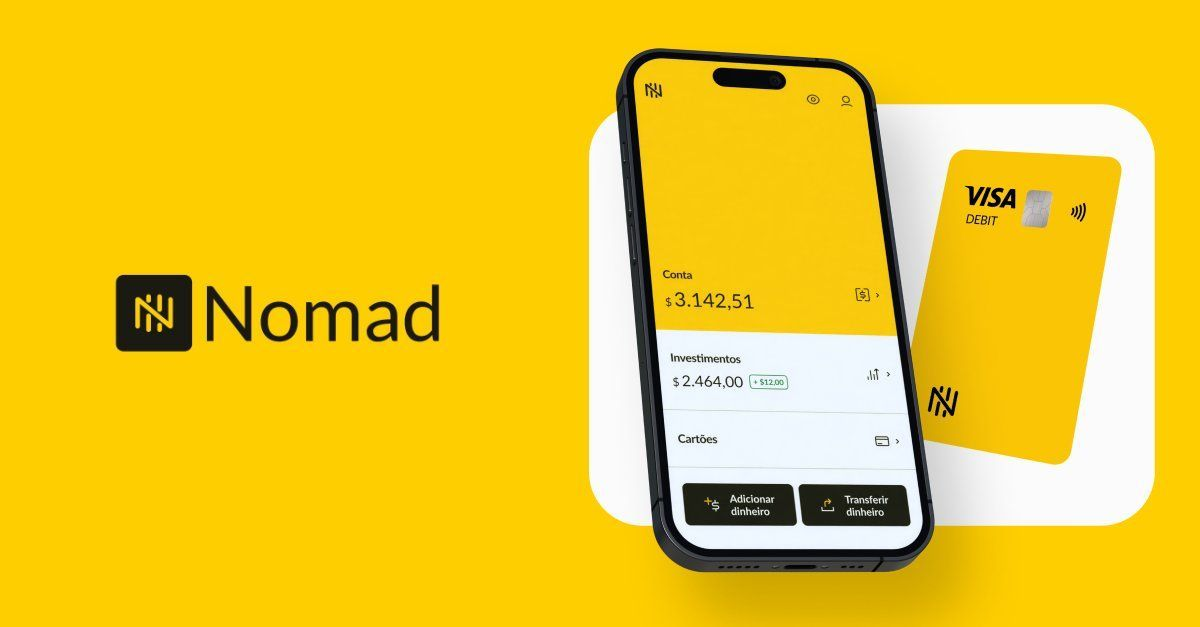
Founded in 2020, Nomad offers Brazilians a global account and investment platform that lets them hold dollars, spend abroad, and invest in international assets. The company now serves about 5 million customers, more than four times the base it had at its Series B, and holds over R$10 billion in assets under custody.
Unlike many fintechs that raise capital to cover losses, Nomad reached EBITDA break-even in 2025. "We did this round at our best moment, already profitable and growing," said Lucas Vargas, the company's CEO and co-founder.
Natalia Lima, Nomad's chief financial officer, said that because the business already covers its operating costs, the new capital will go entirely toward growth rather than day-to-day operations.
Where the Money Will Go
Nomad plans to invest across three areas. The first is artificial intelligence, which the company will use to launch new products, deliver faster and more personalized customer service, and improve efficiency so that the business can grow without costs rising at the same pace.
The second is its investment platform. Nomad intends to broaden its fixed-income offering and expand Nomad Wealth, its investment advisory service for clients seeking more sophisticated international portfolios.
The third is payments infrastructure, tied directly to the new partnership with Tether. Nomad says the collaboration will position it as an early adopter of new payment rails that can make international transfers faster and cheaper, although the company has not yet detailed how the integration will work.

Stablecoins Move Into the Mainstream
The deal highlights how stablecoin companies are moving from the margins of crypto into mainstream financial services. Tether has been especially active in Brazil, recently backing crypto platform Mercado Bitcoin and international payments fintech Belo, among other companies.
For stablecoin issuers, partnerships with regulated fintechs offer a path to millions of users who want dollar exposure without dealing directly with crypto exchanges. For fintechs, stablecoin rails promise lower costs and faster settlement for cross-border transfers, an area where traditional banking networks remain slow and expensive.
Brazil's regulators have been building a framework for virtual asset service providers, raising capital and governance requirements for companies that operate in the space. That process is expected to favor well-capitalized players with strong compliance teams, such as Nomad.

Lessons for Cross-Border Finance in Central America
Nomad's growth reflects a demand that extends well beyond Brazil. Across Latin America, consumers and small businesses increasingly want access to dollar accounts, international payments, and global investments without the friction of traditional banking.
That demand is especially relevant in Central America, where remittances, cross-border trade, and travel to the United States shape household and business finances. Digital platforms that combine dollar accounts with low-cost transfers could serve families that receive remittances, exporters that invoice in dollars, and freelancers who work for foreign clients.
Central American regulators and banks are watching how Brazil integrates stablecoins into regulated finance. The country's approach, which combines innovation with stricter licensing, could offer a reference for markets seeking to modernize cross-border payments while protecting consumers.
For investors, Nomad's round is another sign that Latin American fintechs with clear profitability and large customer bases can still attract significant capital. As the company scales AI tools, investment products, and stablecoin-powered payments, it is positioning itself as one of the region's leading platforms for consumers who want to manage their money globally.
Source: Startups