
BRLA Issuer Avenia Raises USD $25M to Consolidate Brazil's Stablecoin Market

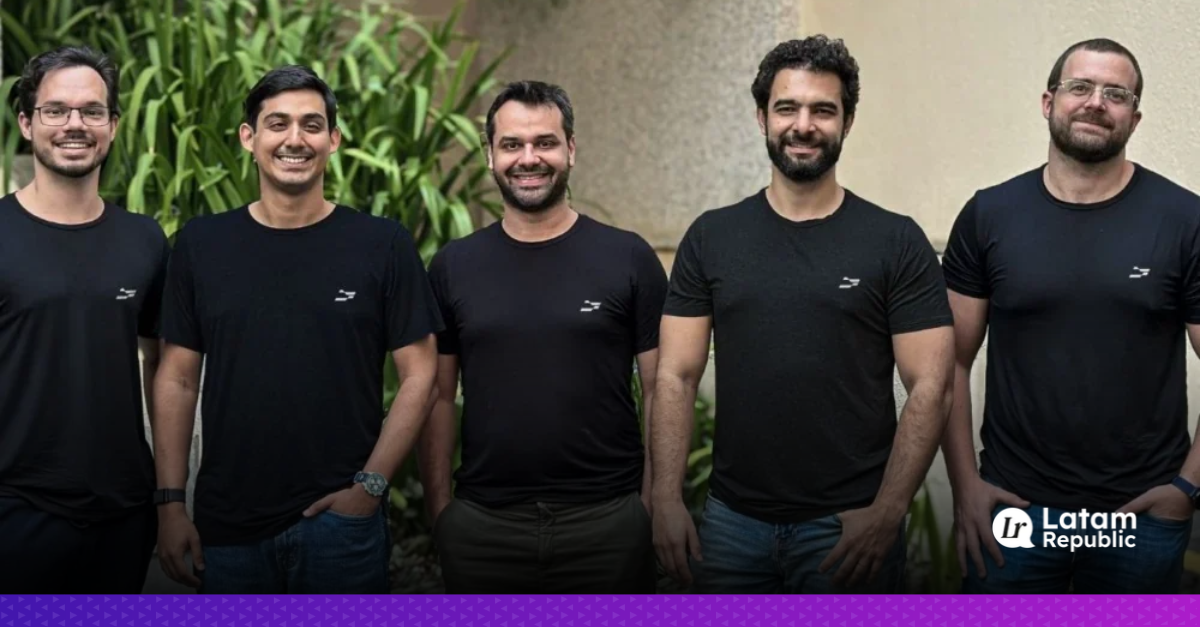
Brazilian fintech Avenia, the issuer of the BRLA real-backed stablecoin, has extended its Series A with R$140 million in new funding led by Lightspeed Faction, bringing its total capital raised in 2026 to R$230 million as it prepares for acquisitions and a new regulatory era for digital assets in Brazil.
Flourish Ventures, a fintech-focused investor, joined as a new backer in this extension, while existing backers Quona, Big Bets, Headline, Fluent Ventures, Tomorrow Capital, and Pátria High Growth increased their positions. The company did not disclose the valuation of the new tranche.
Built as Infrastructure for Other Companies
Avenia positions itself as a regulated infrastructure layer that other businesses can offer under their own brands. Through its white-label platform, companies can receive, convert, hold, and send funds between local currencies and stablecoins, with payments reaching more than 100 countries. Food delivery platform iFood is among the companies that already work with Avenia as a partner.
"Companies want to offer financial products to monetize their customer bases," said Matheus Moura, Avenia's CEO, explaining the logic behind the model.
The company grew sevenfold in 2025 and was already cash-flow positive. According to Avenia, its BRLA stablecoin moves about R$7 billion a month. The team has nearly tripled since February, with new hires in legal, compliance, cybersecurity, technology, and product.
Acquisitions at the Center of the Strategy
The new capital will fund acquisitions of companies with complementary technology, payment infrastructure, regulatory licenses, or presence in strategic markets. Moura said mergers and acquisitions are an important part of the company's plan to grow and consolidate the market.
Avenia also plans to expand beyond stablecoins and cross-border payments into transfers between financial institutions, integration with local payment methods, card payments, hedging solutions, and investment products. The company already holds licenses to operate in the United States and is seeking authorization from Brazil's Central Bank to operate as a virtual asset service provider.
Tougher Rules Reshape the Market
Brazil's new framework for virtual asset service providers raises capital, governance, and control requirements for companies in the sector. Minimum regulatory capital rises sharply, which is expected to push smaller players to sell or exit.
Leandro Noel, Avenia's co-founder and chief operating officer, said the Central Bank is setting increasingly high standards. He argued the rules will help the industry mature, but many companies will not be able to meet them, a dynamic that could create acquisition opportunities for well-funded firms.
Stablecoins already play a central role in Brazil's digital asset market. Central Bank President Gabriel Galípolo said in 2025 that about 90% of crypto asset flows in the country were linked to stablecoins, largely for payments and dollar exposure rather than speculation.

Investor Appetite for Stablecoin Infrastructure
Avenia's round is part of a broader wave of investment in Brazilian companies that connect blockchain rails to traditional finance. In recent weeks, stablecoin issuer Tether led a major round in global account fintech Nomad, and other startups in the segment have also raised capital.
For investors, stablecoin infrastructure offers exposure to fast-growing cross-border payment flows without the volatility of other crypto assets. For businesses, it promises faster settlement, lower costs, and access to international markets.

A Model With Regional Reach
Avenia has previously signaled interest in expanding to other Latin American countries, although it has not named specific markets. Its white-label model could appeal to retailers, marketplaces, and fintechs across the region that want to offer international payments without building their own infrastructure.
For Central America, where cross-border payments, remittances, and dollar transactions are part of daily economic life, the evolution of regulated stablecoin infrastructure in Brazil is worth watching. Clear rules and well-capitalized providers could eventually make cross-border transfers cheaper and faster for businesses and families in the region.
With fresh capital, an acquisition strategy, and a pending regulatory license, Avenia is positioning itself as one of the consolidators of Brazil's stablecoin market.
Source: Startups