Hexagon Attracts US$1.8 Million from Pear VC to Advance AI Visibility Solutions
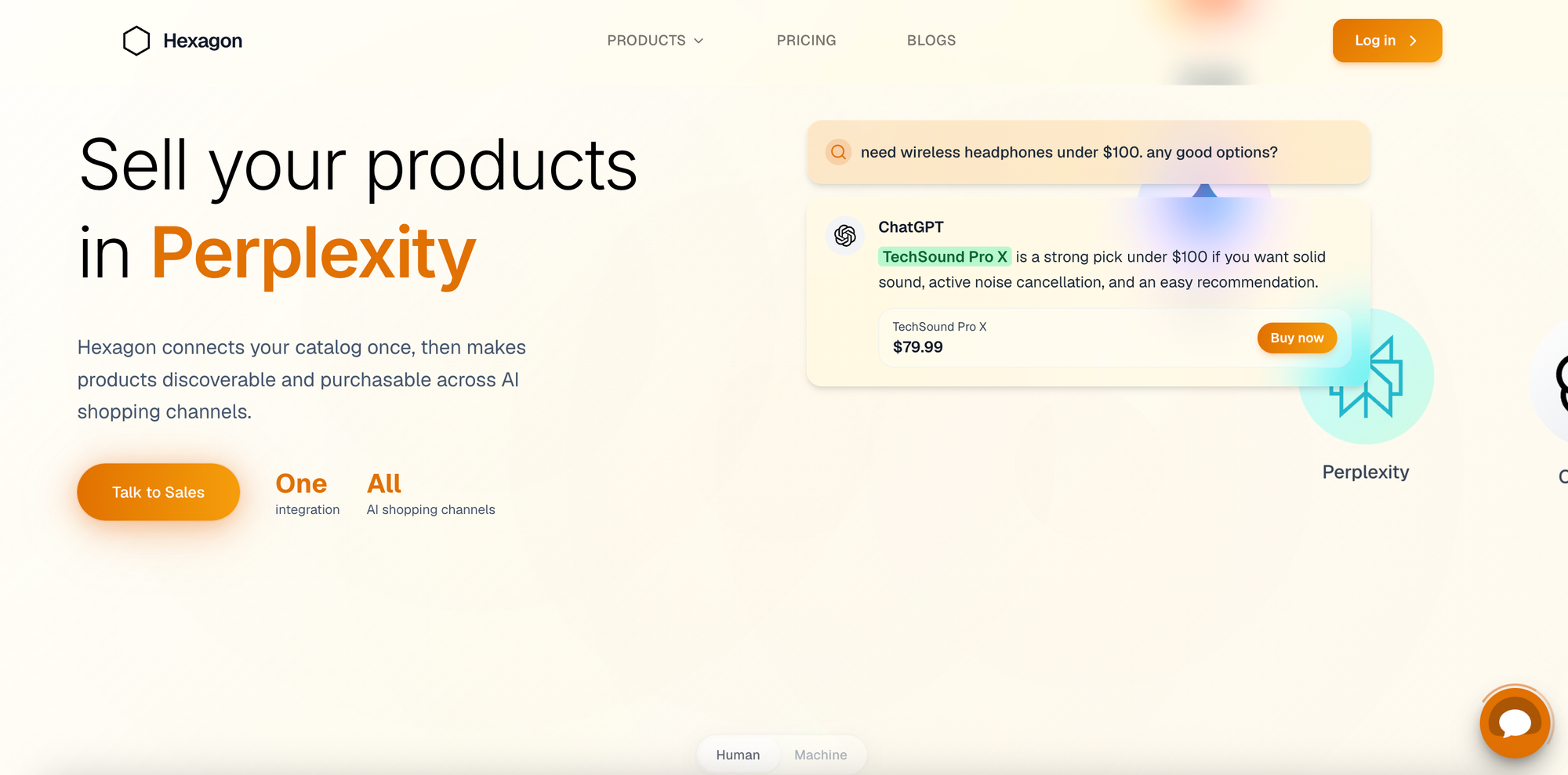
Hexagon has raised approximately US$1.8 million in seed funding from Pear VC to expand its Generative Engine Optimization technology, helping brands improve their visibility across AI-powered platforms such as ChatGPT.

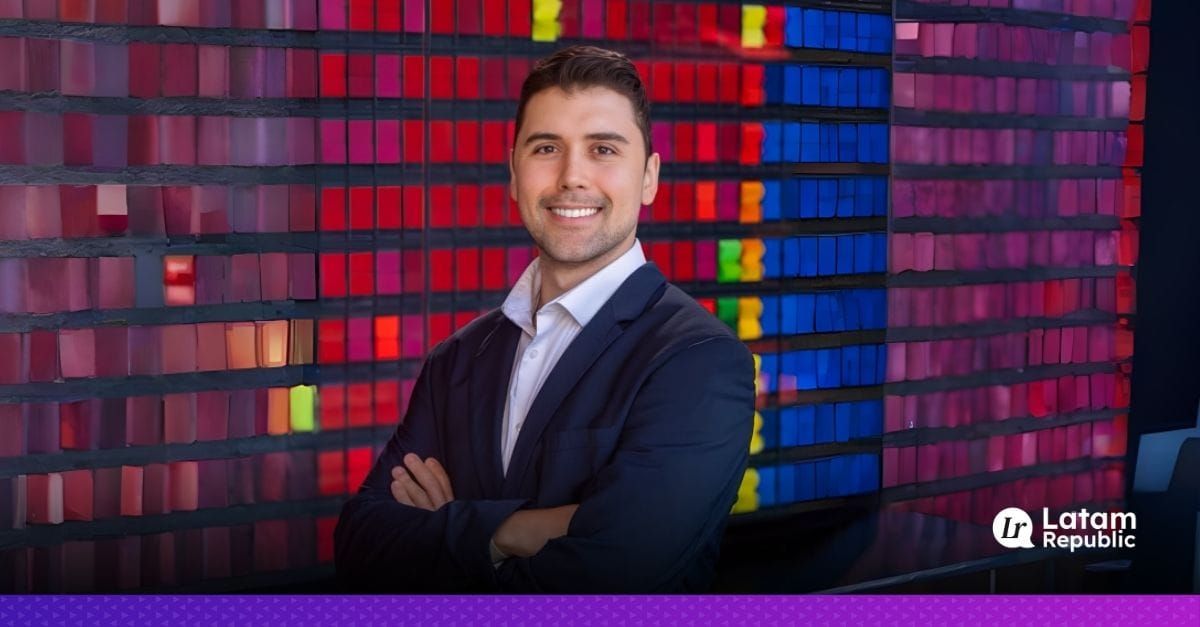
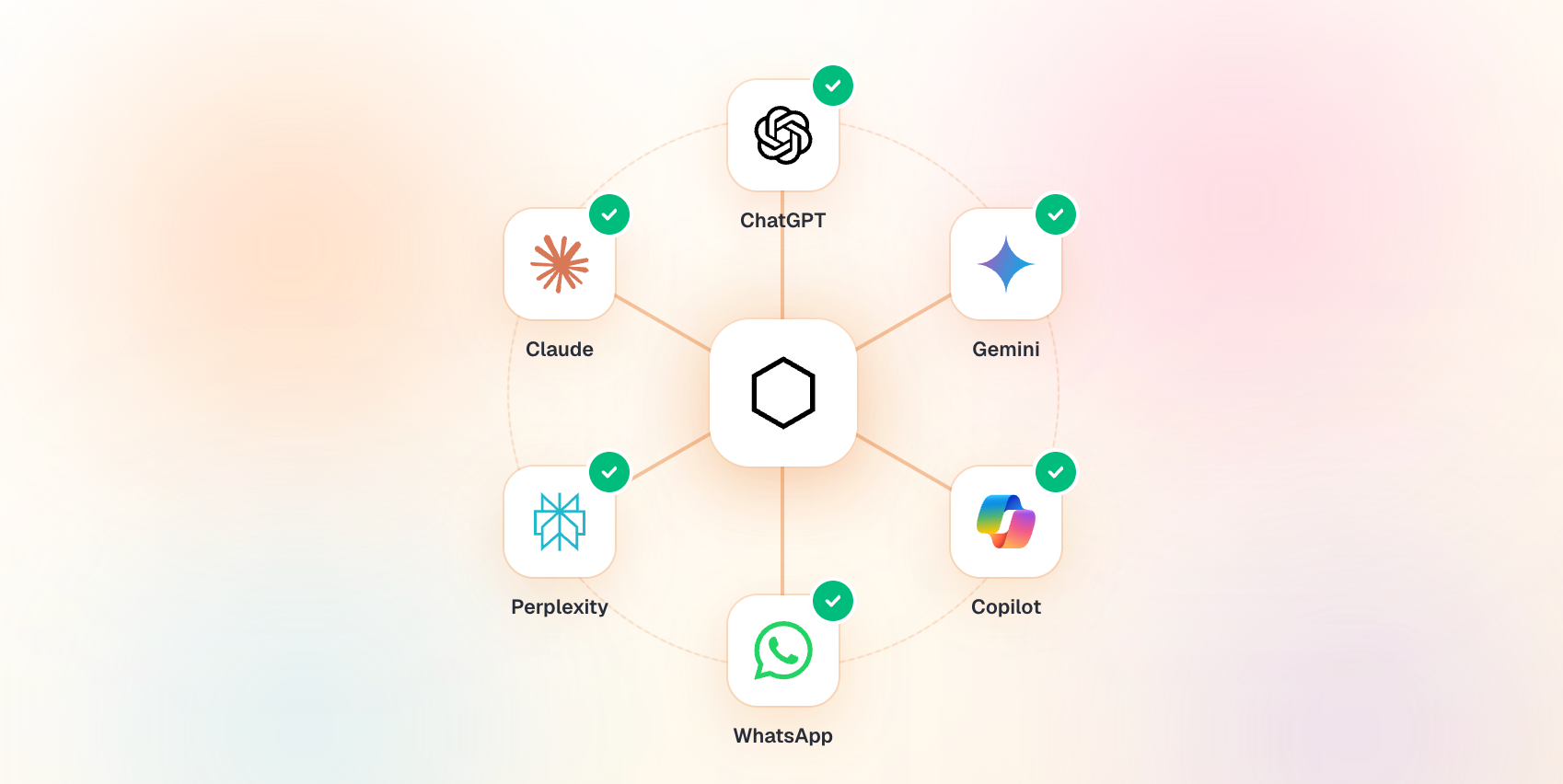
Hexagon has secured approximately US$1.8 million in seed funding from Pear VC to accelerate the development of its Generative Engine Optimization (GEO) platform, a technology designed to help brands improve their visibility in AI-powered search experiences such as ChatGPT.
Hexagon aims to redefine digital visibility in the AI era
As consumers increasingly rely on generative AI platforms to search for information instead of traditional search engines, Hexagon is positioning itself to help brands adapt to this shift. Rather than focusing on conventional search engine rankings, the company's GEO technology is designed to ensure businesses are correctly understood, referenced, and prioritized in responses generated by AI models.
The startup was founded by Brazilian entrepreneur Ramon Silva, who previously became known for selling Avocado, a dark store startup that later served as the foundation for the creation of Turbo, to Colombian delivery platform Rappi.
Hexagon recently secured a seed investment of approximately US$1.8 million from Pear VC, a U.S.-based early-stage venture capital firm recognized for backing companies including DoorDash, Cognition, and Gusto.
Funding will support technology expansion instead of rapid hiring
According to CEO Ramon Silva, the company intentionally prioritized building its technology before significantly expanding its team.
"We chose to invest first in technology and infrastructure before scaling the team," Silva said.
He explained that the company focused on developing a robust solution for a challenge that is only now emerging, driven by the growing adoption of generative AI technologies by both consumers and businesses.
Today, Hexagon serves Brazilian customers including Loft, Getnet, Buser, BTG Pactual, and Tako. While the startup also works with clients in the United States, it has not disclosed their identities, nor has it shared revenue figures or financial projections following the funding round.
Hexagon is also preparing for the future of AI-powered commerce
Beyond GEO, Hexagon is closely following the development of the Agentic Commerce Protocol (ACP), a technology that enables users to complete purchases directly within generative AI environments without leaving the conversation.
The company has already begun operating strategies related to this technology in the United States, reflecting its broader vision of how AI will reshape digital commerce.
Looking ahead, Silva said the startup will focus on two priorities: expanding its customer base in both Brazil and the United States while continuing to strengthen its technology, and educating the market about the growing importance of AI visibility.
According to the CEO, brands must understand that building a presence within AI platforms is no longer optional but increasingly becoming a business necessity.
Market forecasts reinforce investor interest in AI visibility solutions
Several industry forecasts support the growing demand for technologies like Hexagon's.
Consulting firm Bain estimates that agentic commerce could generate between US$300 billion and US$500 billion in the United States by 2030, representing between 15% and 25% of online sales.
Morgan Stanley projects a market ranging from US$190 billion to US$385 billion, while a McKinsey report estimates that the U.S. B2C retail segment alone could eventually reach US$1 trillion.
For Silva, the transformation underway represents one of the most significant shifts in how users discover information online.
"We are experiencing the biggest change in the logic of internet discovery since Google," he said. "Brands that are not understood by these models simply cease to exist in this new environment."
He believes companies that begin adapting their AI presence today have the opportunity to establish an advantage before the market fully recognizes the importance of this emerging channel.