Is Distribution Really the New Moat, or Just a Temporary Advantage?

"Distribution is the new moat" has become almost a mantra for startups. And there's a reason: artificial intelligence, APIs, and no-code tools have reduced the cost and time needed to build software. The challenge is no longer just creating a product, but getting the right people to discover it, trust it, and make it part of their routine.
But there's an important distinction: having distribution doesn't automatically mean having a defensible advantage. An audience can help launch a product and accelerate sales. However, if that attention doesn't turn into trust, recurring use, relationships, or an active community, it may be only a momentary advantage.
The Audience Isn't the Asset; the Relationship Is
Having many followers doesn't guarantee distribution power. A small community that responds, tests products, and recommends a brand can be far more valuable than a massive audience that barely sees the posts.
Follower count matters less than how many people give a company permission to influence a decision.
Social media is useful for capturing attention, but that attention depends on platforms and algorithms the company doesn't control. That's why startups should turn part of that reach into direct relationships: newsletters, communities, events, owned channels, and conversations with customers.
Content gets people's attention, but relationships are what keep them around. A contact list's value also comes from its relevance and engagement more than its size. If the people on it don't receive value, they stop paying attention. If they trust whoever built it, they can become customers, allies, and advocates. Or even VC-backable businesses like TBPN, which was acquired earlier this year for $100M. It's a platform that still isn't massive today (they have 37K followers on LinkedIn), but it consistently delivers signals of value.
Distributing Isn't Just Publishing
Another common misconception is thinking that producing valuable content is the same as having distribution. It isn't. An article, a video, or a report can be excellent and still reach no one. When I speak about this at universities or summits, I always mention my own graduation thesis. It took me months of research, and to this day it's a document that's still gathering dust in the university library.
Effective distribution requires understanding where the investor gets informed and makes decisions, and adapting the message to that context. In B2B, for example, a recommendation within a professional community can carry more weight than thousands of impressions. Reach matters, but so do trust, timing, and the credibility of whoever shares the information.
The advantage comes from mastering the channels that bring the company closer to its customers, even if that means skipping some platforms. A startup should ask itself: Where does my buyer persona look for help? Who do they listen to? What format do they consume? What problem are they trying to solve?
A New Layer of Discovery
Distribution is also changing because people discover products not only through search engines and social media, but also through AI-generated answers. In that environment, a well-designed website needs to be backed by a presence in trusted sources, community conversations, reviews, tutorials, and expert-produced content. ILB Media is a good example. When we saw this trend gaining momentum in Latin America, we were the first group to make a serious bet on these kinds of channels, and today it's the fastest-growing new media conglomerate in Latin America.
A company's presence is built in many places: what its founders and employees post, what its users explain, the comparisons made by third parties, and the recommendations circulating in specialized spaces. The more credible signals there are, the easier it will be for people (and AI tools) to find the company and understand what it does.
What helps here is useful, consistent information that others have reasons to cite, share, or recommend. Publishing more, on its own, does little.
So, Is Distribution a Moat?
Distribution can be a powerful competitive advantage, but not on its own. Buying attention, chasing trends, or accumulating followers can generate growth, but not necessarily defensibility.
The moat appears when distribution connects with something harder to copy: trust, reputation, engaged communities, customers who recommend the product, owned channels, and investors who listen to you and seek you out because they know who you are. In other words, distribution is worth when attention turns into usage, and usage into lasting relationships.
As building software becomes easier, building relationships becomes more important. But the next generation of startups will win by being relevant to the right people, and giving them reasons to come back, trust them, and talk about them. Reach alone won't get them there.
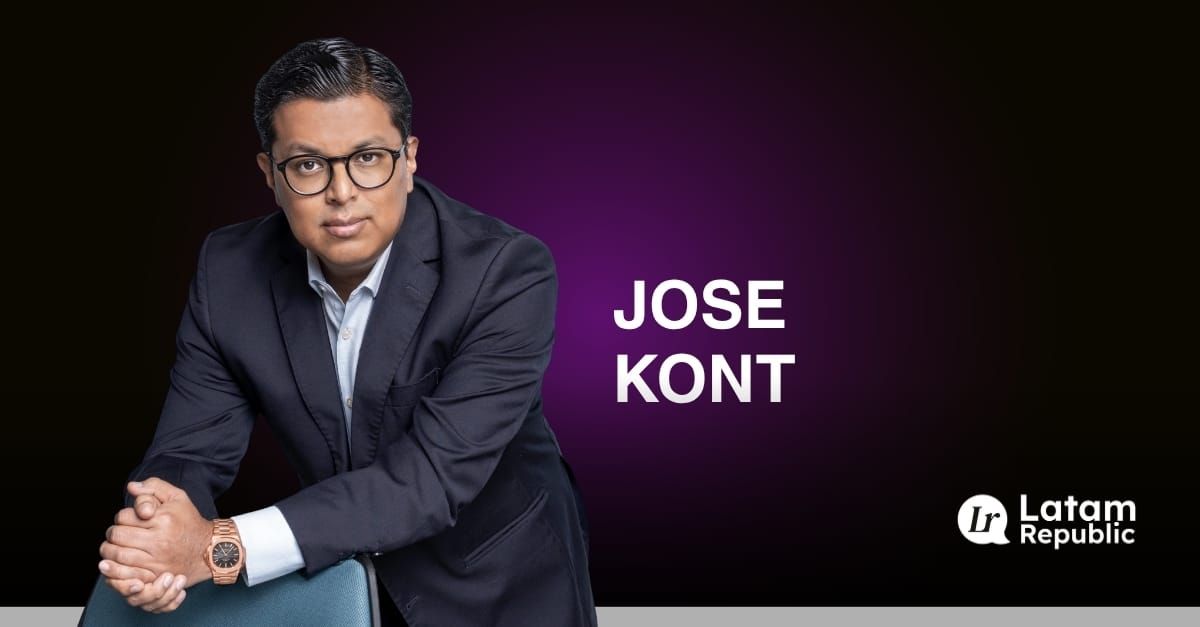
Jose Kont is a New Media expert, international speaker, author, venture capital investor, and columnist for Latam Republic, Pulso Capital, Forbes, among others.