
Premia Raises Nearly US$1 Million to Expand AI Education Platform and Pursue M&A
Premia raises nearly US$1 million to expand its proprietary AI education platform, pursue M&A opportunities and target 20 million users.

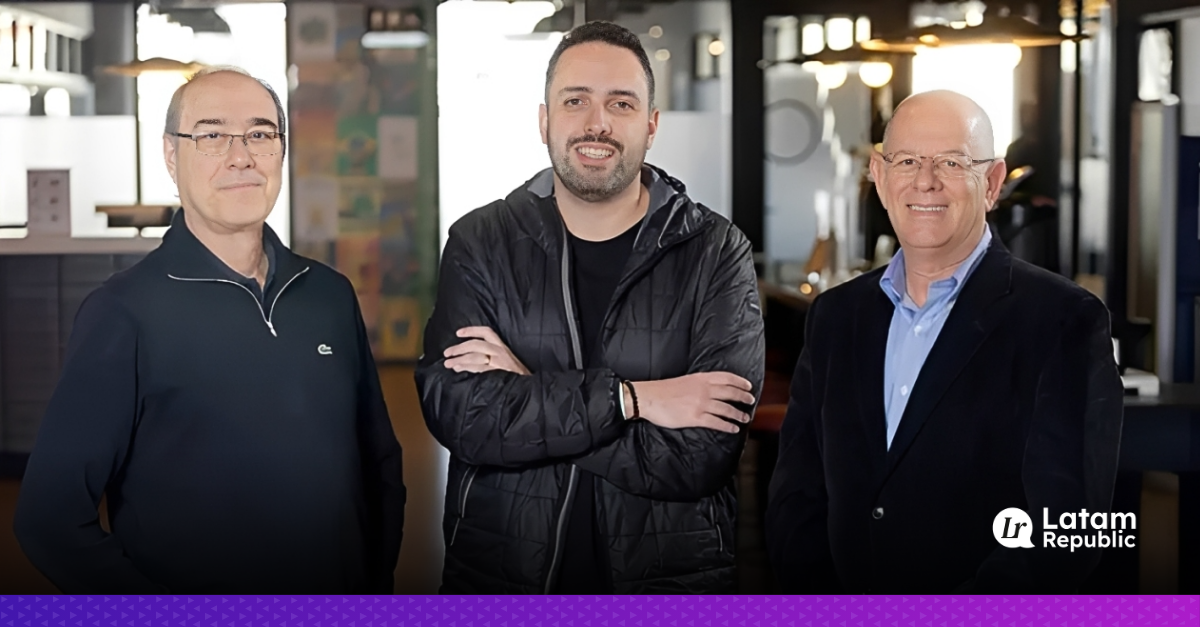
Premia, an edtech company developing proprietary artificial intelligence models for K-12 and higher education, has raised R$5 million, approximately US$970,000, in its first investment round. The funding marks a new stage for the company, which plans to strengthen its platform, expand its technology and commercial operations, and explore acquisitions through mergers and acquisitions (M&A).
Founded in 2021 by Paulo Nogueira, Ricardo Podolsky and Tony dos Santos, Premia developed an AI-powered learning management platform designed to monitor student behavior, identify knowledge gaps and guide pedagogical interventions.
The company began operations in 2022 and, according to Paulo, reached breakeven in its first month. Since then, its growth has been financed through its own operations, reaching 3.8 million users across education networks, schools, universities and municipalities in different regions of Brazil.
Funding to support growth and M&A opportunities
With the new investment, Premia plans to strengthen its commercial area, expand its platform and technological infrastructure, and search for acquisitions that complement its portfolio.
At the same time, the edtech intends to explore new business opportunities, including corporate education, a segment in which it currently has limited operations.
“Today, our focus is on basic education, from early childhood through high school, and higher education. But we do not yet have a strong presence in the corporate segment, with solutions for companies. We want to understand how to bring our engine into that environment,” Paulo said.
The executive sees M&A as one of the ways to accelerate this expansion. Part of the investment is expected to be allocated to identifying market opportunities and acquiring companies that can support the expansion of Premia's operations.
Through this strategy, the startup aims to surpass 20 million users within two years, expand its presence to 1,500 municipalities and impact the daily work of more than 40,000 teachers.
An investment connected through the innovation ecosystem
The investment originated from a relationship that began at an innovation event promoted by inovabra, Bradesco's innovation ecosystem, of which Premia is a member.
After presenting its solution, the company connected with representatives of the group that would later make the investment. According to Paulo, there was alignment between the investor's thesis and the edtech's purpose.
The investment was made by a family office whose name was not disclosed due to compliance reasons.
Proprietary AI models focused on education
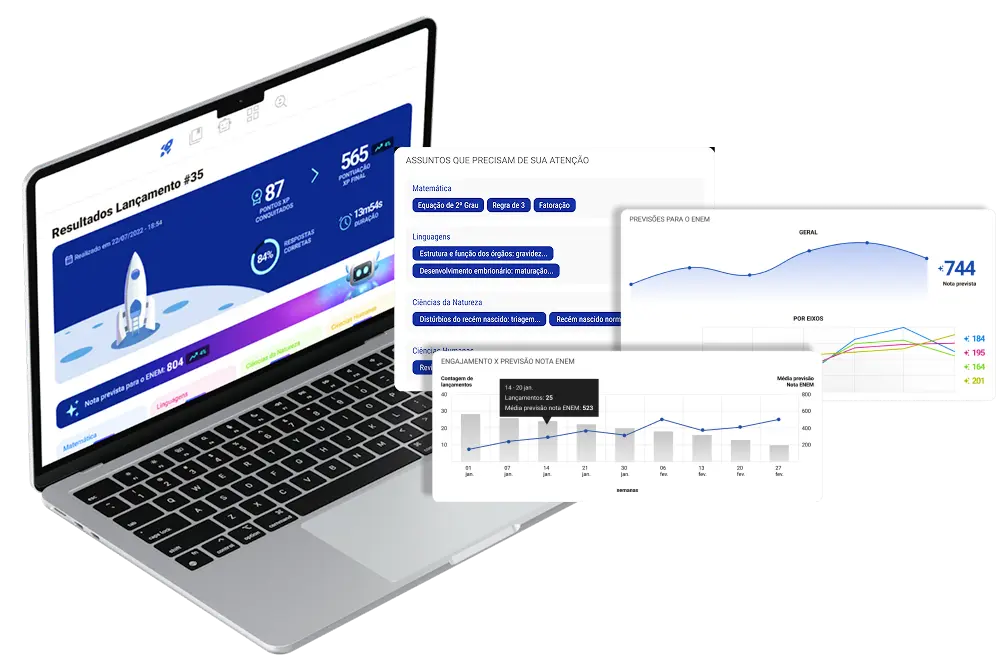
Premia's platform monitors student behavior as users interact with educational content. Based on this data, the technology identifies learning gaps, estimates proficiency levels and recommends pedagogical interventions.
According to Paulo, the company does not rely on generic language models adapted to the educational environment. Instead, Premia has developed proprietary models specifically designed for education.
“Our purpose at Premia has always been to build for education. We created proprietary models that analyze student behavior while they answer a question, allowing teachers to identify learning difficulties on an individualized basis,” Paulo said.
The technology is designed to help educators understand each student's challenges and support interventions based on individual learning needs.
Premia reports results across millions of users
According to the company, Premia has impacted 3.8 million users since its founding. Its platform has processed more than 93 million educational content items across 400 municipalities, with the participation of more than 4,500 teachers.
A study conducted by the edtech with 250,000 students, based on 80.3 million answered questions, found an average 158% improvement in the performance of K-12 students after three months of using the platform.
In higher education, the company reported that more than 80% of students passed courses with historically high failure rates.
Among university students surveyed, 81% said the platform helped them prepare for exams, while 84% reported an improvement in their own performance. In addition, 85% said they would like to see the technology available across all their courses.
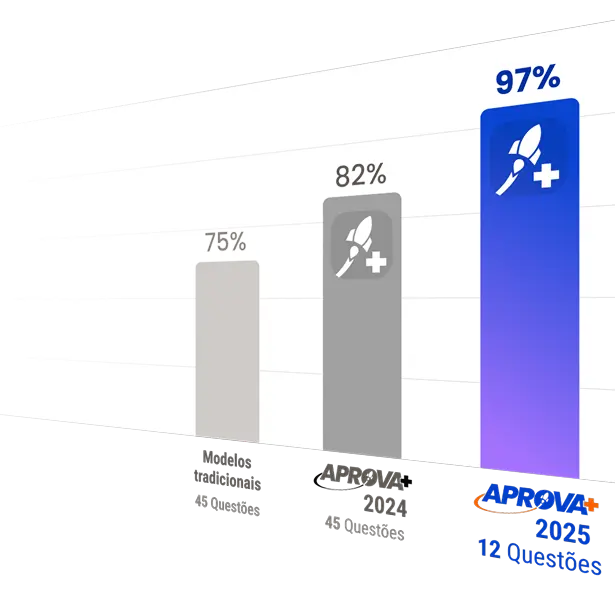
According to Premia, its models can also predict student performance in major national assessments with more than 90% accuracy, allowing pedagogical interventions to take place before exams.