The Investors Redefining Venture Capital in Mexico
Mexico's venture capital market is evolving. Explore how leading GPs are driving market maturity, funding innovation, and redefining the region's future.

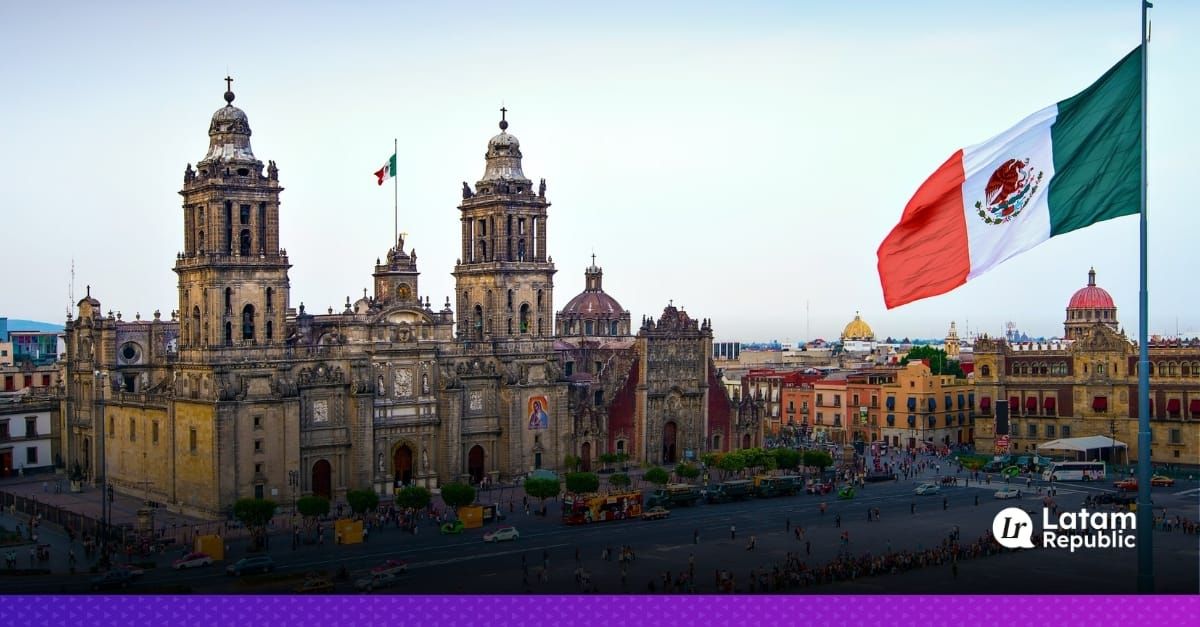
In 2025, Mexico experienced one of its best years in venture capital, yet there are reasons not to celebrate too quickly. According to the Latin America Venture Capital Report 2026 by Cuantico VP and Startuplinks, the country closed last year with US$980 million deployed—a growth of over 20% compared to 2024, which brought it back to the center of the regional conversation after several years of adjustment. The three largest rounds in all of Latin America in 2025 took place in Mexico. The headlines were favorable. The ecosystem, seemingly, reignited.
The problem is that behind that number lies another figure that is far more uncomfortable. While capital increased, the number of transactions plummeted by more than 25%, dropping the ecosystem to its lowest level of activity since 2018. In other words: Mexico did not grow outward, but upward. Larger tickets, more concentrated rounds, and greater international visibility, but not more funded startups. Four operations (Plata’s two rounds, Klar’s Series C, and Kapital’s Series C) concentrated US$680 million—nearly 70% of all capital deployed during the year. Plata alone accounted for 42% of the annual total. These are not signs of an expanding ecosystem. It appears to be an ecosystem with just a few protagonists carrying the entire weight of the narrative.
The VC Efficiency Index by Cuantico VP, which measures the intensity, density, and breadth of venture capital in each market, completes the diagnosis. Mexico appears with 30.4 points, lagging behind Chile, Uruguay, and Brazil, and practically tied with Colombia. A paradox so clear it almost hurts: the second-largest economy in Latin America producing fewer deals per million inhabitants than several of its neighbors. The country has the size to lead, but it has not yet finished building the entrepreneurial base that such leadership requires.
And that is exactly where investors come in. In a market where the early pipeline is narrowing, where seed rounds are hitting historic lows, and where capital is concentrated in a few large-scale bets, managers with criteria and long-term vision are not just another actor in the ecosystem: they are the factor that determines whether Mexico remains a story of concentration or begins to be a story of depth.
What follows are the profiles of the names that today concentrate influence, reputation, and allocation capacity within Mexican venture capital. Their trajectories, theses, and portfolios allow us to understand not only who is investing, but also what kind of future is being financed in one of Latin America's most closely watched geographies.
Adriana Tortajada: 1200 VC

Before becoming one of the most influential figures in Latin American venture capital, Adriana Tortajada spent more than a decade navigating the institutional arteries of public funding for entrepreneurship: first at Nacional Financiera, where she led the venture capital unit, designing financing instruments for startups in an era when the word wasn't even commonly used in Mexico; then at INADEM, where she served as Director of Financing and High-Impact Entrepreneurs, driving programs that funneled public resources into the emerging ecosystem; and later at Fondo de Fondos (FdeF), where she directed the VC, mezzanine, and impact unit, learning to evaluate fund managers from the institutional LP seat.
That journey through public money prepared her for something few in the ecosystem could do: simultaneously understand the logic of private capital and the structure of the ecosystem receiving it. When Santander Universidades hired her as Global Head of Entrepreneurship, Tortajada expanded that vision across more than twenty countries, building a comparative perspective that very few Latin American GPs possess. She is a Kauffman Fellow—a formative credential she shares with several investors on this list—and has been recognized by LAVCA as a Top Woman Investor for five consecutive years, a distinction that speaks to both her influence and the consistency with which she has exercised it.
In January 2022, she launched 1200.VC alongside Esteban Coppel, with Talipot Holdings—the family office founded by the Coppel family with operations spanning San Diego and Mexico—as an anchor investor, and Guadalupe Rodriguez (CIO of Talipot and Board Chair of the firm) as a strategic partner. The proposition of 1200.VC is structurally different from most Mexican funds: it operates as an early-stage investment platform that combines a fund-of-funds model—investing as an LP in emerging managers—with direct investments in founders, working on both sides of the capital chain. Their target for the first fund was US$150 million, deploying checks between US$2M and US$10M in funds and direct co-investions across transformative technology verticals: artificial intelligence, genomics, climate tech, fintech, robotics, healthtech, and B2B SaaS, always with an integrated ESG lens and a binational Mexico–United States scope.
What sets Tortajada apart in the ecosystem is not just her network or her resume: it is her ability to read the ecosystem from multiple angles at once—as a regulator, an LP, a GP, and a public policy architect—a synthesis that very few investors in the region can replicate.
Hernán Fernández Lamadrid: Angel Ventures
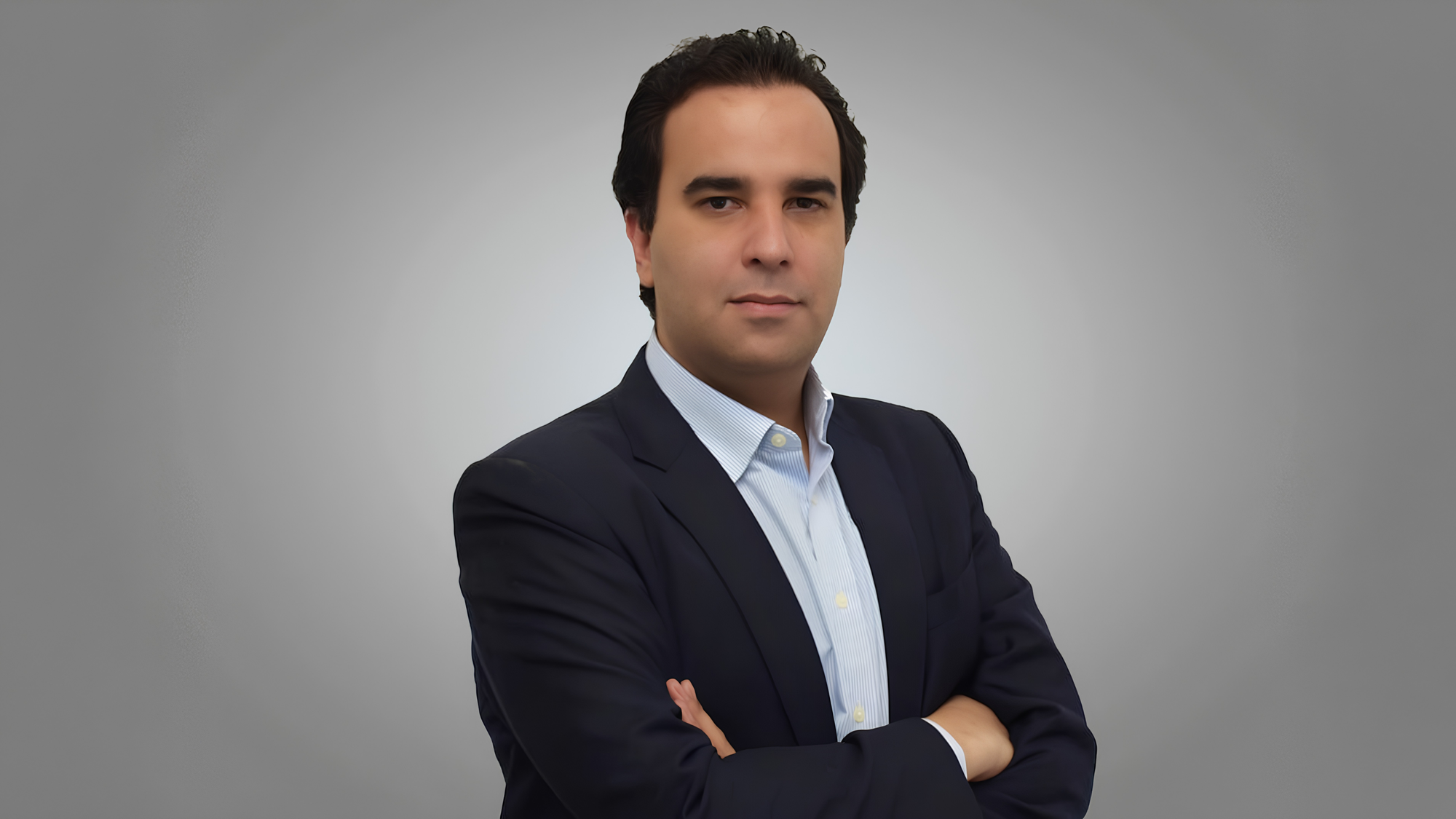
There is a before and after in the history of Mexican venture capital, and Angel Ventures stands at that turning point. When Hernán Fernández Lamadrid co-founded the firm in 2008 alongside Camilo Kejner and Christian Meade Hervert, a professionalized, institutionally managed angel investment model did not exist in Mexico. The ecosystem was small, distrustful of external capital, and lacked the bridges between money and entrepreneurial talent that seem obvious today. Fernández Lamadrid stepped into this vacuum with an unusual combination: a legal background from ITAM—which led him to think about contracts, structures, and incentives before spreadsheets—an MBA from MIT Sloan—which gave him the language of global capital—and years of strategic consulting work with Booz & Company in Mexico City.
That blend of legal rigor, business acumen, and social sensitivity shaped the DNA of Angel Ventures from the start: a firm that doesn’t just write checks, but builds community around capital. The network of angel investors he articulated was not a simple placement club; it was an infrastructure of collective conviction that allowed dozens of Mexican professionals to participate, for the first time, as structured investors in startups.
The firm's growth followed the logic of someone who understands that patience is not passivity. Fund I, a US$20 million vehicle launched in 2013 with support from the IDB, Nafin, and Mexico Ventures, served as a sign of institutional legitimacy for the ecosystem as a whole. Fund II expanded their reach to the Pacific Alliance. And Fund III—AV Latam Fund III, with a US$120 million target—was the definitive leap: Angel Ventures' first vehicle designed to invest across all of Latin America, including Brazil, with a parallel fund in the United States and an office in Austin designed to capture the Spanish-speaking entrepreneurial ecosystem north of the border. Today, the firm reports more than US$120 million in assets under management, 76 investments, 10 exits, three IPOs, and two unicorns. TechCrunch once described him as Mexico's most influential angel investor. Forbes and CNN Expansión included him among the "30 Business Promises" (30 Promesas de los Negocios). A long-standing Board Member of AMEXCAP, Fernández Lamadrid is one of the definitive architects of the ecosystem that Mexico proudly showcases to the world today.
Javier Sánchez Aldana: Carabela
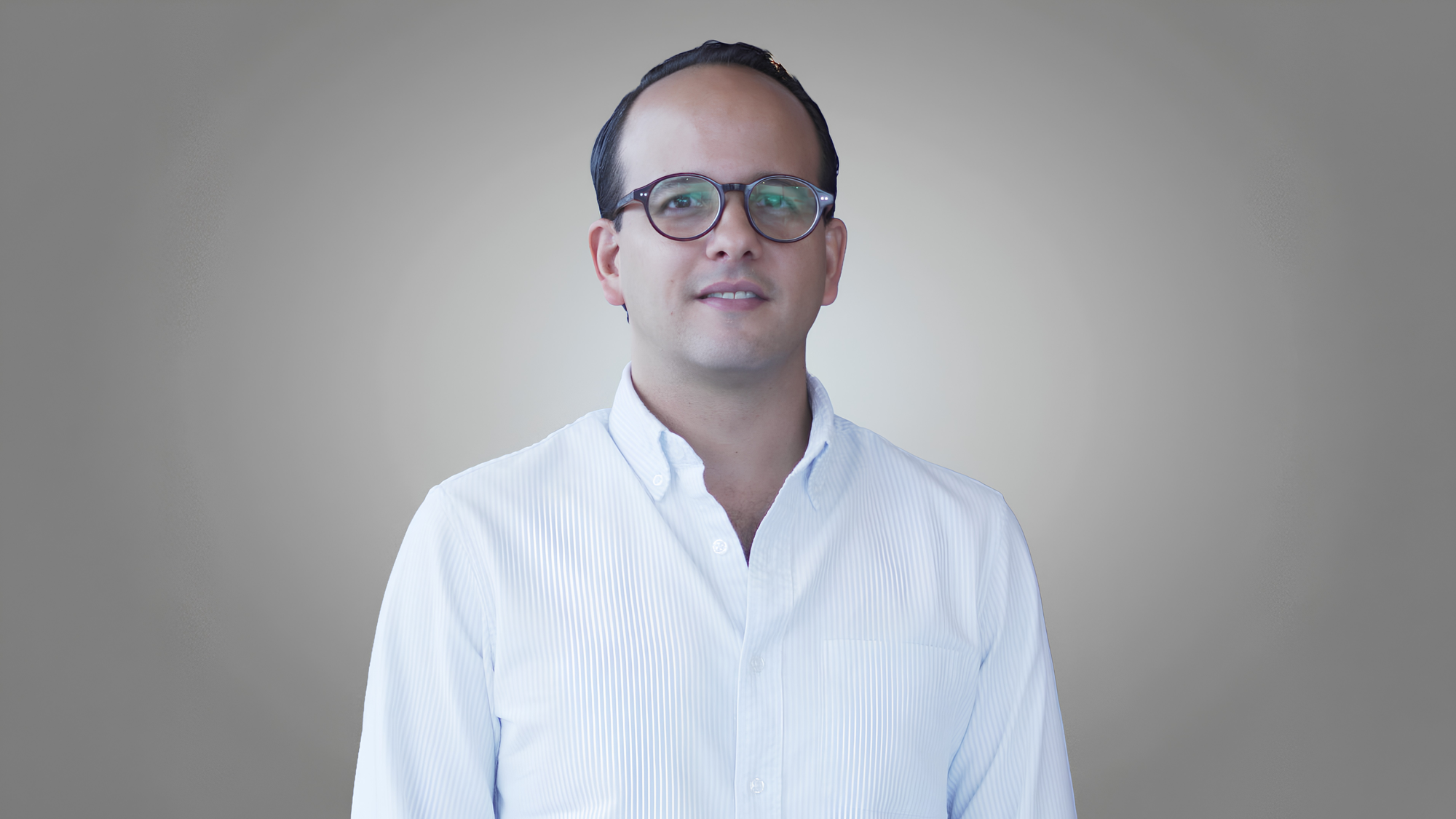
The story of Carabela is also the story of what happens when someone decides to bet on an ecosystem before the ecosystem is ready for them. Javier Sánchez Aldana started in Guadalajara in 2013, building from within Angel Ventures Guadalajara the city's first seed fund. He didn't have an institutional backing fund or the glamour of Mexico City: he had conviction and method. Before raising his first peso of external capital, he ran more than five incubation and acceleration programs that supported over 65 startups, organized fifteen training workshops for founders, and co-founded Xcala, an angel investor network that helped institutionalize the Guadalajara ecosystem. All of this preliminary work had one purpose: to build the deal flow and reputation that no deck can replace.
When he launched Carabela’s Fund I in February 2020, he did so with a network of more than 150 tech founders acting as LPs and allies. The result was a portfolio of 16 pre-seed and seed startups across six countries and eleven sectors: from fintech and agtech to edtech and logistics. Names like Moffin, 100 Ladrillos, Terapify, Rocketbot, and Ankatech began building Carabela’s reputation as a fund that identifies technical talent before anyone else.
But Sánchez Aldana's most telling decision was not raising Fund I, but radically pivoting the thesis for Fund II. Instead of growing as an agnostic seed fund, Carabela II targets exclusively B2B deep-tech: platforms with complex technical middleware, highly specialized users, and distribution via API or SDK. It is a counter-current bet in a market where most GPs prefer the readability of fintech or marketplaces. With a target of US$20 million and ticket sizes between US$250K and US$750K, Carabela II is building a value proposition that is hard to replicate: patient capital for technical founders in a region where such capital is scarce. Sánchez Aldana is proof that in venture capital, geography is not a limitation—it is a competitive advantage if you know how to read it.
Cristóbal Perdomo: WOLLEF
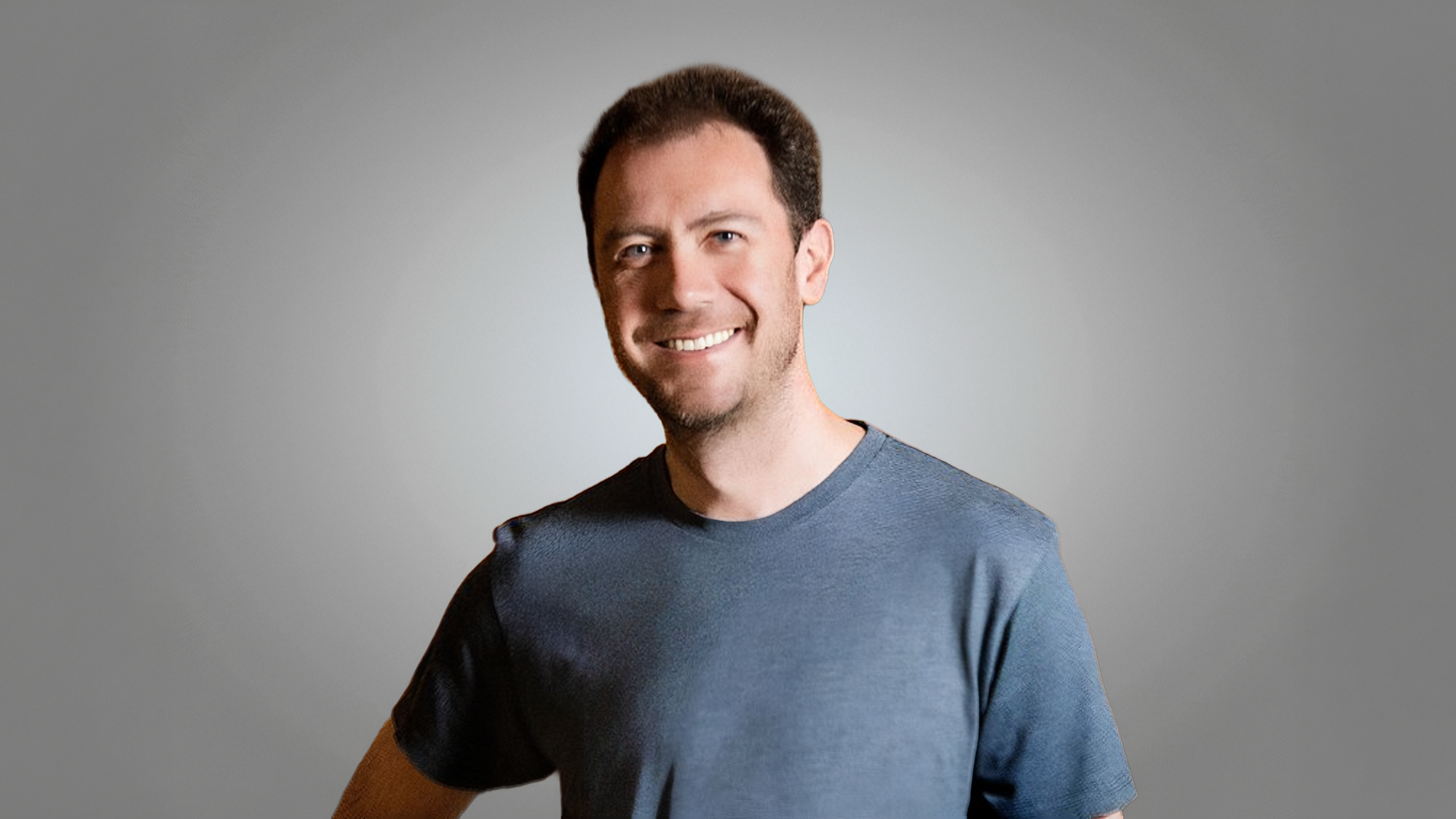
Cristóbal Perdomo has a track record that challenges the linear narratives that often adorn venture capital investor profiles. He became an entrepreneur before finishing high school, then studied Law at the Universidad Iberoamericana, graduating summa cum laude, while simultaneously completing his MBA with honors at Columbia Business School right during the dot-com boom and bust. This experience inoculated him against hype and trained him to think in fundamentals. He lived and worked in Argentina for years, where he co-founded a startup and organically approached the Latin American venture capital ecosystem from the entrepreneur's side. That experience of having been on the other side of the table never left him.
In 2013, alongside Eric Pérez-Grovas—ex-MercadoLibre and a key figure in the regional ecosystem—he co-founded what was then called Jaguar Ventures and today operates under the name WOLLEF. The choice of name and the rebrand are not decorative; they reflect the evolution of a firm that went from being a Mexican fund to becoming a regional actor of conviction with its own identity. And the numbers back up that evolution: in its first ten years, WOLLEF deployed more than US$180 million across 44 companies, with checks ranging from US$250K to US$3 million.
What truly sets WOLLEF and Perdomo apart is not the capital deployed, but the outcome: it is the only Mexican fund that can boast five unicorns in its portfolio, namely Konfío, Jeeves, Nubank, Kavak, and Loft. A concentration of results that would be remarkable in any market in the world and is, quite simply, unprecedented in Latin America for a fund of that size. Added to this are concrete exits with documented returns: in 2023, the firm closed divestments in Ben & Frank and NEXU, recovering at least 10x its investment in each case, proving that it is not just about unicorns on paper but real capital returned to LPs.
Perdomo's philosophy as an investor carries a rare honesty in the ecosystem. In interviews and on his podcast "Indie vs. Unicornio" he has insisted that they invest in people who risk everything, who give fast and direct feedback even if it is uncomfortable, and who build long-term relationships with their founders. There is no posturing: the results suggest that the depth of the relationship matters more than the size of the check.
Anna Raptis: Amplifica Capital
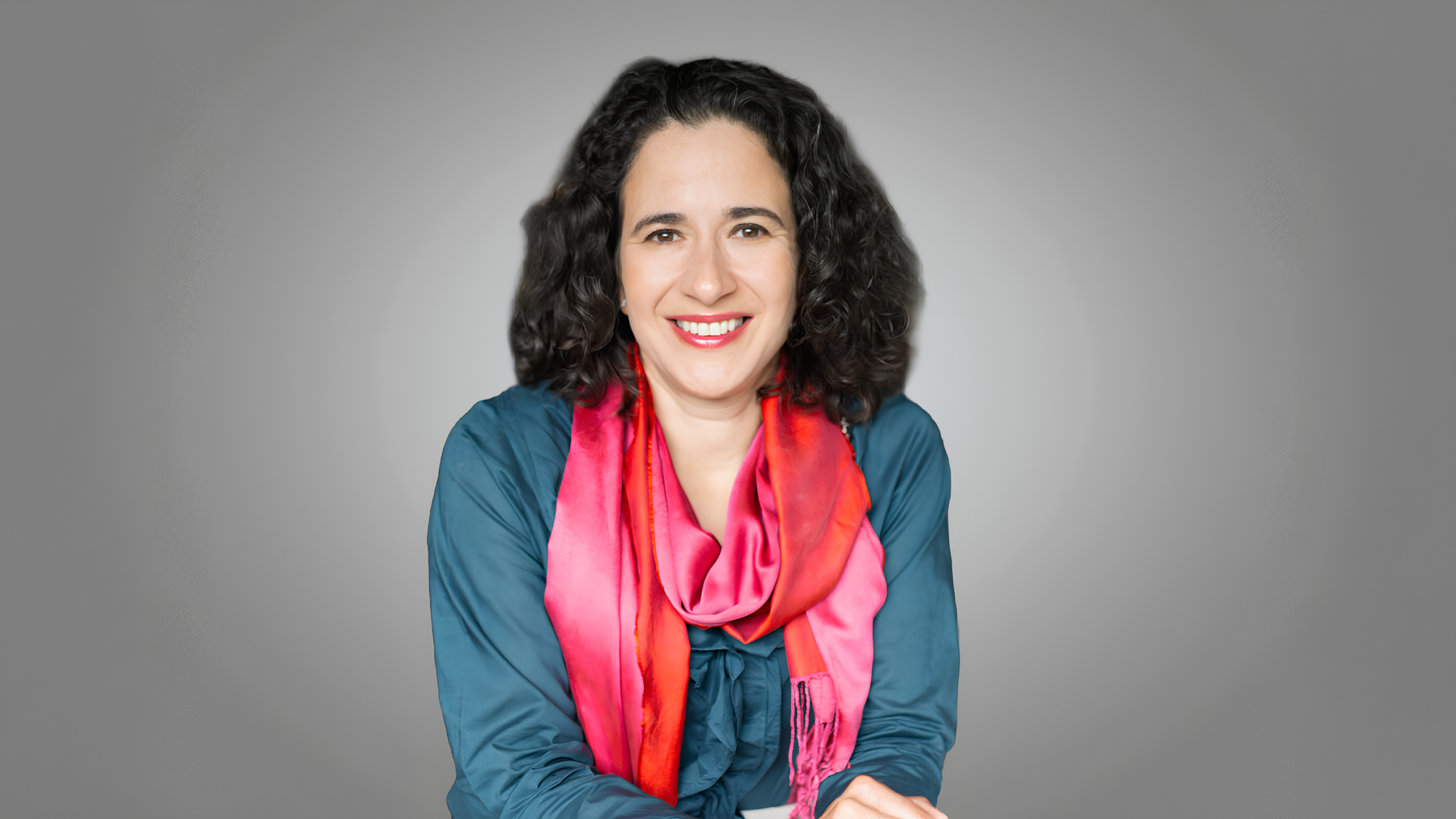
Anna Raptis came to Mexico for oil and stayed for women. Born in Australia, with a Bachelor’s in Economics from the University of Adelaide and a Master’s in International Policy from Johns Hopkins SAIS, she spent nearly two decades working in the energy sector, including years at the UN and the World Bank. It was that energy work that brought her to Mexico, where she began participating as an angel investor and LP in local VC funds. From that privileged observer seat, she identified something that data confirmed and the ecosystem preferred not to name: there was no venture capital fund in Mexico with an explicit mandate to support female founders.
She founded Amplifica Capital in 2020 to fill that void, using a gender-lens thesis that is not philanthropic but financially grounded. Global studies consistently show that teams with women in leadership positions generate superior returns, yet they capture only a fraction of the available capital. In Mexico and Latin America, this gap is particularly pronounced: startups led by women received just 16% of VC capital in the region in 2024, according to LAVCA. Amplifica exists to arbitrage that inefficiency.
The first fund closed in 2022 at US$11 million with a composition that speaks volumes: 80% of the LPs are Latin American and 60% are women. In an ecosystem where most regional funds depend on institutional US or European capital, this LP structure is a statement of principles. Amplifica invests at the pre-seed and seed stages in teams with female founders or co-founders, or in products and services explicitly designed for women, with sector exposure in climate solutions, SaaS, fintech, marketplaces, and healthtech. The portfolio includes Kolors (mobility), Verqor (fintech), Clupp (insurance), and Mujer Financiera, among others.
Raptis is a Kauffman Fellow, a jury member for the Cartier Women's Initiative, and co-founder of Mujeres Invirtiendo and Voz Experta. Alongside the fund, she has built a community infrastructure that literally amplifies the impact of every investment. In the Mexican ecosystem, where capital and community rarely go hand in hand, that is a real competitive advantage.
Andrés Baehr: Savia Ventures

Andrés Baehr is the type of investor who appears in ecosystems before larger investors discover them, and that is exactly his advantage. He is a lawyer trained at the Universidad Católica de Chile, with a trajectory he describes without shame as "irregular": eight years living in Australia, a stint at BHP (the Australian mining giant) that introduced him to the logic of large bets in natural resources, and then a return to Latin America as Investment Director at ENGIE's Corporate Venture Capital between 2019 and 2022, where he learned to evaluate climate technologies from the perspective of a global energy corporate with direct interests in the transition. Concurrently, he was a portfolio manager at Expande Minería and an adjunct professor of venture capital and impact investing at the Pontificia Universidad Católica de Chile.
In 2023, with all that accumulated experience and a conviction that few people shared at the time, Baehr decided to move to Mexico City and found Savia Ventures. The thesis is simple in its wording and radical in its implication: Latin America is the largest untapped climate tech market in the world. The region concentrates 57% of the planet's freshwater reserves, 28% of global arable land, two of humanity's most important green lungs, and a biodiversity that no other continent can match. Yet Latin American climate venture capital is a tiny fraction of the global total. Savia exists to start closing that gap.
The first fund closed at US$4.7 million with 55 contributors. The fund invests at pre-seed and seed across six climate verticals: energy, mobility, blue economy, agtech and land use, industrial decarbonization, and biodiversity. The initial portfolio includes Strong By Form, which works with structural biocomposites as an alternative to high-carbon footprint materials, and Ruedata, a SaaS platform for efficient tire management that reduces fuel consumption and emissions in transport fleets.
Baehr represents a new generation of Latin American GPs who don’t wait for global capital to discover the region: he decides to be the one taking the capital to where the problem and the opportunity already are. In an ecosystem still dominated by fintech, this is a countercyclical and visionary bet.
Rogelio de los Santos: Dalus Capital
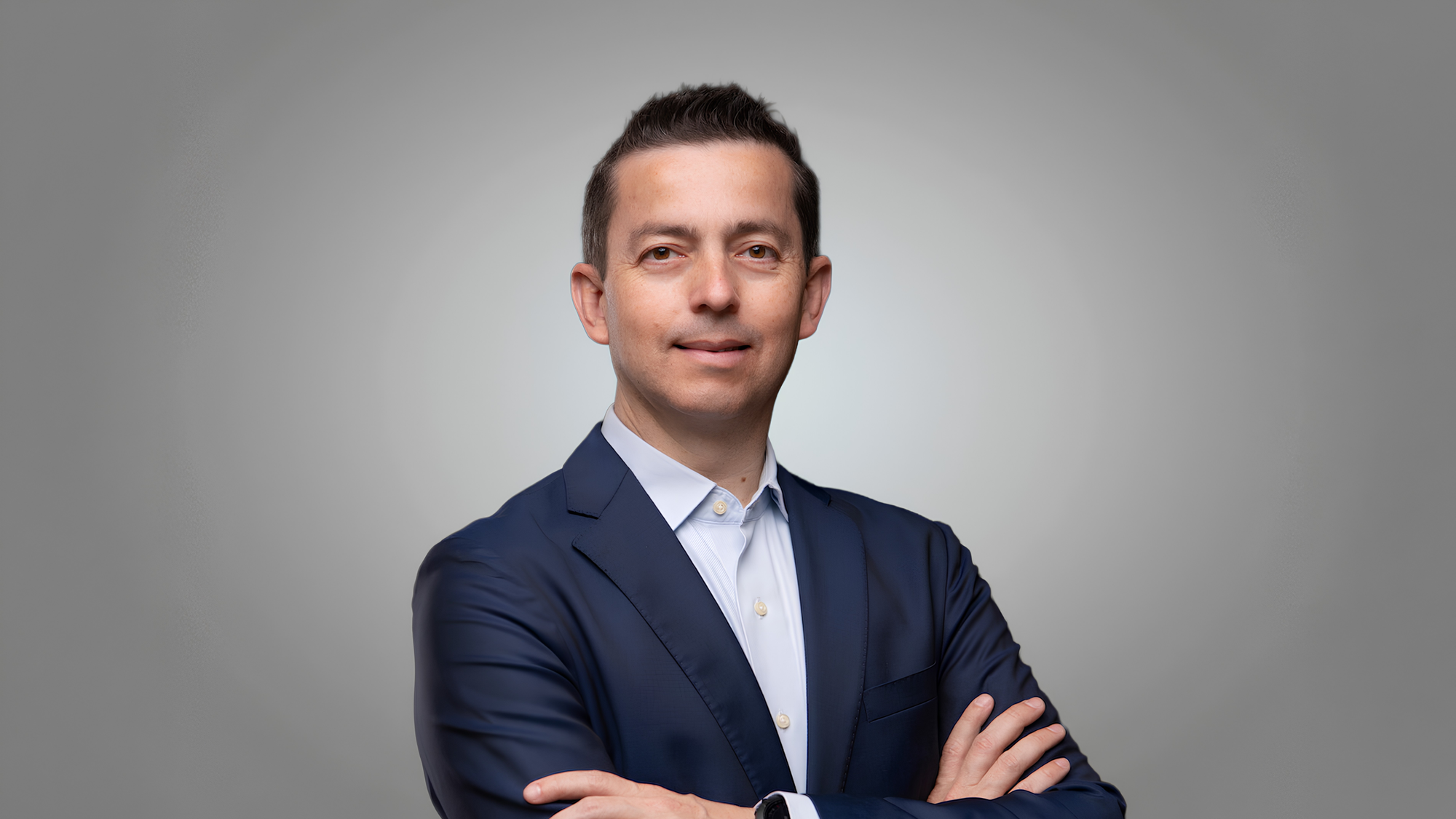
Few investors in Mexico can say they were there from the very beginning—not just of venture capital, but of the entrepreneurial ecosystem as a whole. Rogelio de los Santos is one of them. De los Santos founded his first company in 1999: it was also called Dalus, it was a technology startup, and he sold it in 2001. Completing that full cycle—founding, growing, selling—before the age of thirty gave him empirical credentials that no academic program can confer. A Trustee of Tec de Monterrey and a member of the International Board of Advisors at the University of Texas at Austin—with an honorary degree from Babson and a certificate from MIT—de los Santos has spent decades building bridges between the Latin American and Anglo-Saxon ecosystems.
In 2008, he launched Alta Ventures México, one of the first professional venture capital funds in the north of the country, at a time when Monterrey's ecosystem still revolved around large industrial corporations and the entrepreneurial culture was in its infancy. In 2015, Alta Ventures evolved into Dalus Capital with a more refined thesis and a broader network. Perhaps Rogelio's most lasting legacy is not the fund, but the festival: in 2013, he founded INCmty, which over the years became the largest entrepreneurship festival in Mexico—an event that every year connects thousands of entrepreneurs, investors, mentors, and corporates in Monterrey and has functioned as a cultural accelerator for the northern ecosystem.
Today, Dalus Capital invests across four strategic themes: Inclusion (fintech, edtech, healthtech, HRtech), Climate Innovation, Enterprise Productivity, and Digital Consumers. Tickets range from US$500K to US$6M, and the fund has a special link with IDB Lab regarding the climate theme. The historic portfolio includes names like Clip, Mural, Technisys, and more recently CLIVI, Plenna, Enerlink, and Eden. In 2024 and 2025, de los Santos led or co-led several rounds in these latter companies, demonstrating that after nearly twenty years in the ecosystem, his deployment pace has not slowed down but has instead become even more selective and thematic.
Rafa de Haro: Cometa
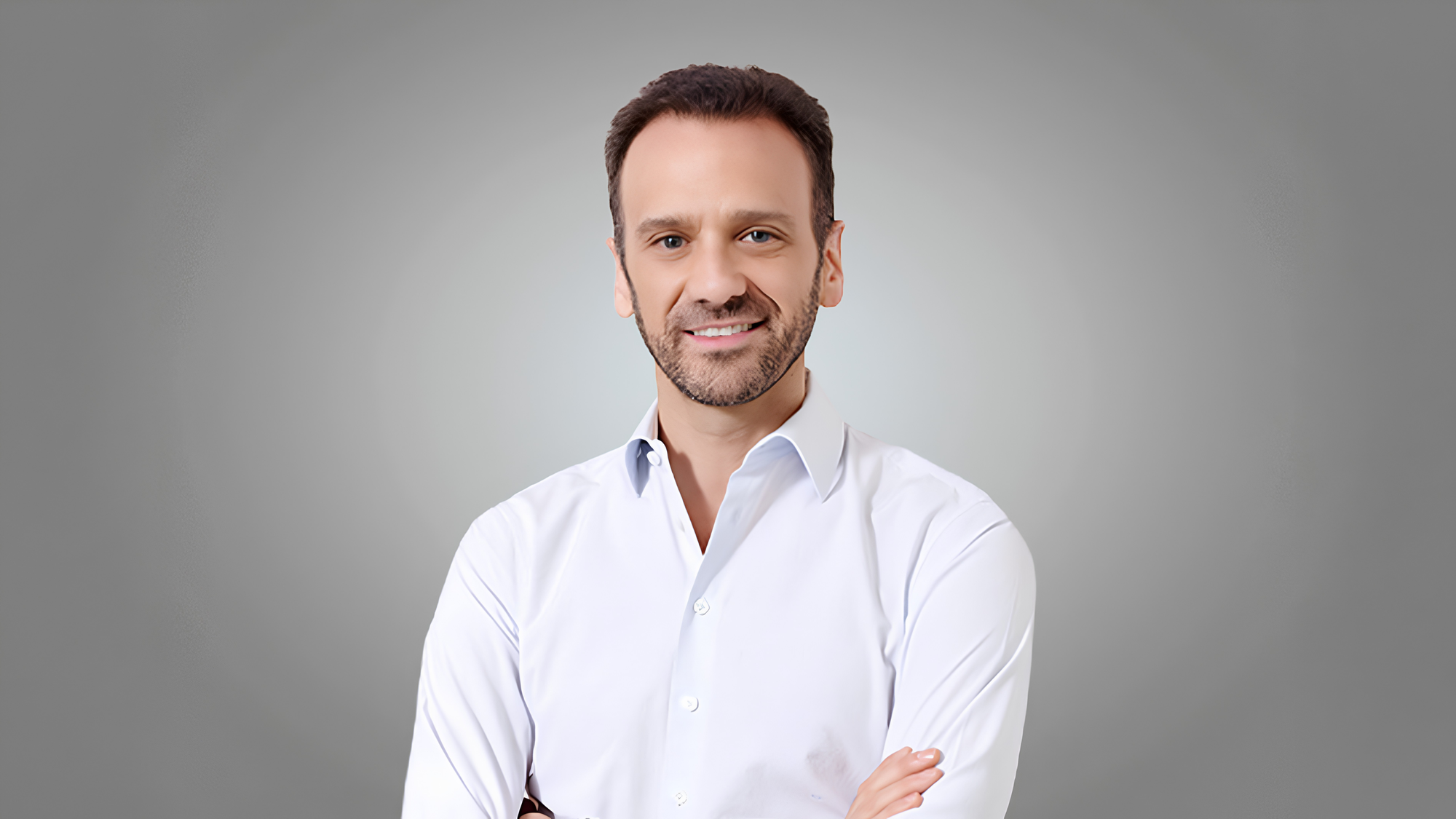
To understand Rafa de Haro, one must accept that some people simply do not fit into a single category. He is a lawyer graduated from the Universidad Iberoamericana with a specialization in International Law from the Université Panthéon-Assas in Paris, an investment banker who was part of JPMorgan’s M&A group in London, an entrepreneur who co-founded and directed Lifedots—a software company in New York that JPMorgan acquired in 2011—and an academic teaching venture capital at ITAM for years. His background includes an MBA from NYU Stern, plus courses at Peking University and a PE/VC program at Harvard Business School. De Haro is one of the GPs with the most diverse and internationally articulated backgrounds in the Mexican ecosystem.
This plurality is not accidental: it reflects the path of someone who arrived at venture capital after seeing the business world from multiple angles and decided that the best way to add value to a founder was to have been, in some way, in the shoes of every player at the table. In 2012, Diego and Ernesto Vargas invited him to co-found what was then called VARIV Capital. In 2019, the team decided to rebrand the firm as Cometa—a name that evokes movement, trajectory, and luminosity without stopping—and in 2023, when the Vargas brothers sold their stake, De Haro and Pepe Bolaños assumed the leadership of the firm in its entirety.
Cometa invests in early-stage tech companies serving Spanish-speaking markets globally, with a special focus on SaaS, fintech, marketplaces, artificial intelligence, and Web3. The fund manages a US$130 million vehicle with tickets between US$500K and US$4M[cite: 1]. Unlike many GPs who invest passively, Cometa has an explicit co-leadership policy and requests a board seat in practically all of its investments[cite: 1]. The portfolio is one of the most recognized in the ecosystem: Bitso, Cabify, Conekta, Kueski, Simetrik, Prometeo, Territorium, WelcomeTech, and Hunty, among others[cite: 1]. In November 2024, Cometa co-led alongside Hi Ventures a US$9 million round for R2, which was subsequently acquired by Ant Group in one of the most talked-about deals of the year. The firm also opened an office in Bogotá with Federico Monsalve as Head of Platform, expanding its presence into Colombia.
Santiago Zavala: 500 LatAm

Santiago Zavala's story does not begin in a boardroom or a finance class. It begins on the internet in the late nineties, when while still in high school he founded culter.com.mx—a culture and technology forum that, in the dial-up era, was already a true online community. This capacity to identify the right people before algorithms existed and to build communities where others only see noise is, perhaps, the most valuable asset Zavala has brought to the investment world. He is the investor who most resembles a connector, and there are few virtues more valuable in venture capital.
Before joining 500 Global, he co-founded Mexican.VC alongside César Salazar, a fund that its own partners describe as the most successful Mexican tech investment vehicle of its generation, with 11x cash-on-cash returns on invested capital. When 500 Startups acquired Mexican.VC, Zavala and Salazar joined the global team as venture partners for Mexico. Over time, Zavala assumed leadership of 500 LatAm, 500 Global's Spanish-speaking fund operating out of Mexico City, which he has directed since its launch.
500 Global has US$2.4 billion in assets under management globally and operates in more than 80 countries[cite: 1]. 500 LatAm is its arm for Spanish-speaking Latin America (Mexico, Colombia, Argentina, Chile, Peru, and Central America) and invests in early-stage companies with average tickets of US$300K across fintech, healthtech, human resources, and digital transformation. With more than 240 investments in the region, the Latin American portfolio includes two unicorns (Konfío and Clip) as well as companies like Jüsto, Ayenda, and Rocket.la. They don't necessarily lead every round, but their ability to generate quality deal flow, connect founders with their global network, and follow up with additional capital in subsequent rounds has made them one of the most active and cross-cutting players in the regional ecosystem. Zavala has spent over 17 years building this ecosystem and likely knows more founders than any other person on this list.
Jimena Pardo: Hi Ventures

There are few stories in Latin American venture capital as symmetric and yet as improbable as Pardo's with Hi Ventures. In 2012, when the fund was called ALLVP, its founding partners Federico Antoni and Fernando Lelo de Larrea were looking for their first investment in Mexico and bet on Carrot: a carsharing service founded by an entrepreneur named Jimena Pardo. It was the fund's first investment. Twelve years later, Pardo returned to that same fund, but not as a founder—instead as a Managing Partner, closing one of the most eloquent cycles the Mexican ecosystem has seen.
What occurred between Carrot and her return to Hi Ventures was not a parenthesis but an accelerated training. After Carrot, Pardo joined Meta/Facebook as Product Growth Manager for Latin America, where among other initiatives she led the launch of Facebook Dating in the region—an experience that forced her to think about scale, mass product adoption, and the cultural nuances of the Latin American consumer in a way few GPs have experienced from inside a Big Tech firm. Before Facebook, she had been a Product Manager at HP. She is an industrial engineer graduated from Universidad Iberoamericana with a diploma from ITAM, an Endeavor Entrepreneur, a Kauffman Fellow, and a Board Member of AMEXCAP.
When she returned in 2022 as Managing Partner of Hi Ventures—alongside Antoni and a team already managing four funds and over US$300 million in assets—she brought something the fund needed: the perspective of someone who had been a founder, who had scaled a product in a global hyper-growth environment, and who understood the Latin American ecosystem not from books but from direct experience. Under her leadership, Hi Ventures reinforced its thesis of leading rounds and demanding a board seat, and launched a specific artificial intelligence fund. The recent portfolio includes investments in R2, Tess AI, Melian, Verve Market, and Atlas (acquired by Remote in 2026). The longer track record includes exits such as Cornershop to Uber in 2021 and Flink to Webull in 2024. Today, due to its trajectory and results, Hi Ventures is one of the most respected VC firms in Latin America, and Pardo is a central part of the organization.
Alejandro Diez Barroso: DILA Capital
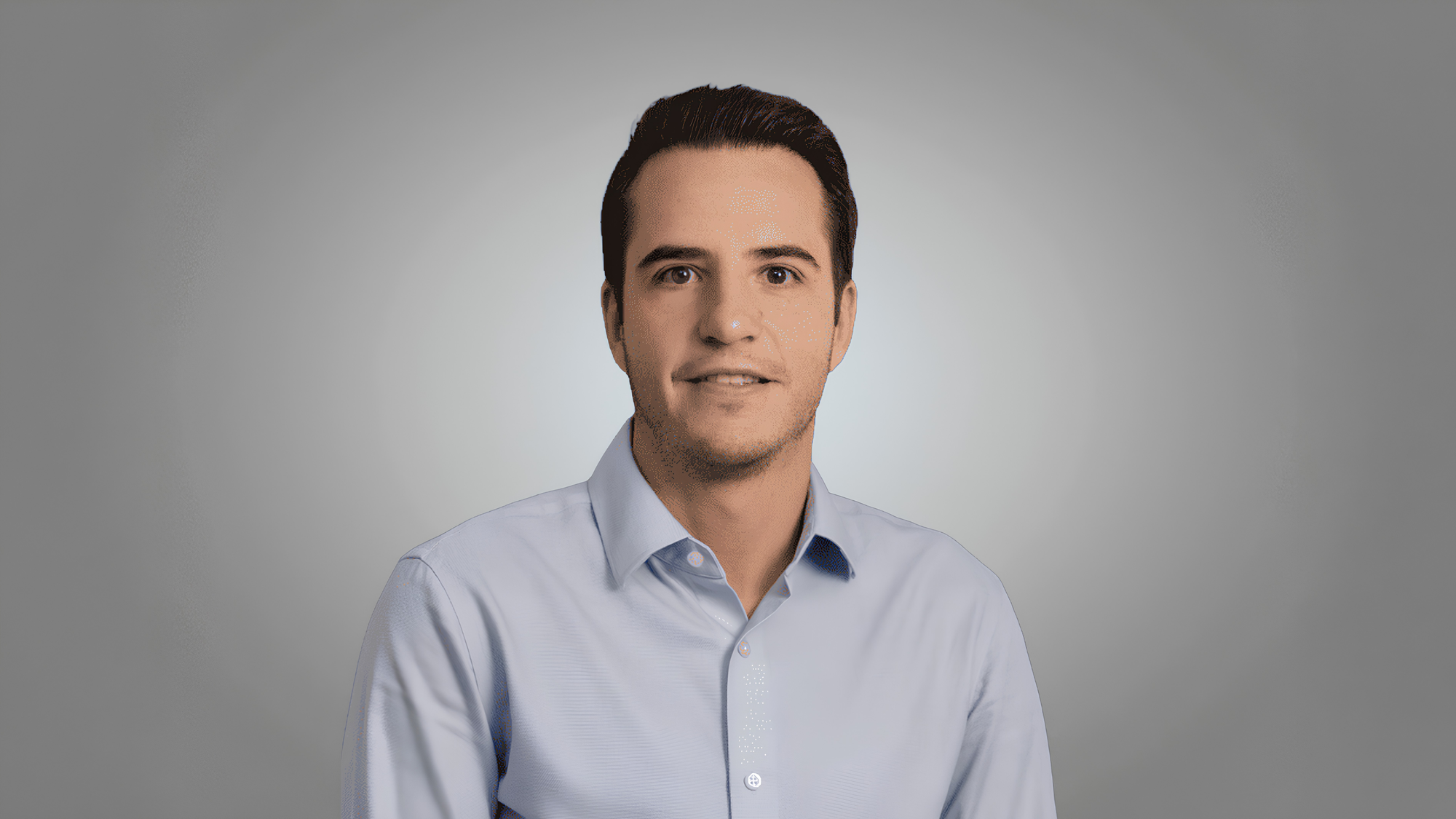
If one had to choose a single investor who symbolizes the long-term history of Mexican venture capital, it would be Alejandro Diez Barroso. Not because he is the most media-facing or because his portfolio holds the best-known unicorns, but because he has been in this game longer than almost anyone, since a time when "raising a fund" in Mexico was practically a cultural anomaly.
His path to investing was, like many of this generation, winding and built from practice. He studied Economics at the Universidad Iberoamericana and completed his MBA at the Kellogg School of Management at Northwestern. Before DILA, he co-founded Wau Spot, a digital advertising company in shopping centers that he sold in 2004. He worked as an associate at Promecap and then served as CEO of Vilebrequin México between 2006 and 2009. He is also a co-founder of The Pool—the first coworking space in Mexico City—and of ASEM (Asociación de Emprendedores de México), an organization that for years was the backbone of the entrepreneurial community in the country. A Board Member of AMEXCAP, he has participated in virtually every institutional milestone of the ecosystem.
DILA Capital, co-founded with Eduardo Clave, is today a firm with four funds, more than 61 companies in its investment history, two unicorns, four acquisitions, and a radius of action spanning from pre-seed to Series C. The thesis has an unusual narrative coherence: they invest in Spanish-speaking entrepreneurs building for Latin America or in US companies serving the Hispanic market, with tickets from US$750K to US$3M and a clear preference for large markets where technology can scale without cultural friction. The portfolio includes names like Urbvan, Kushki, Ben & Frank, Incode, Cobee, and Cicada. In 2024, Pluxee’s acquisition of Cobee was one of the most talked-about exits of the year.
Diez Barroso has a quality that LPs learn to value over time: he is one of the few Mexican GPs who can say he has seen the ecosystem from the inside during each of its cycles—the austerity of the early years, the boom of 2021, the correction of 2022, and the rebound of 2025—and has made coherent decisions throughout all of them.
Laura Ortiz Montemayor: Regenera Ventures Fund
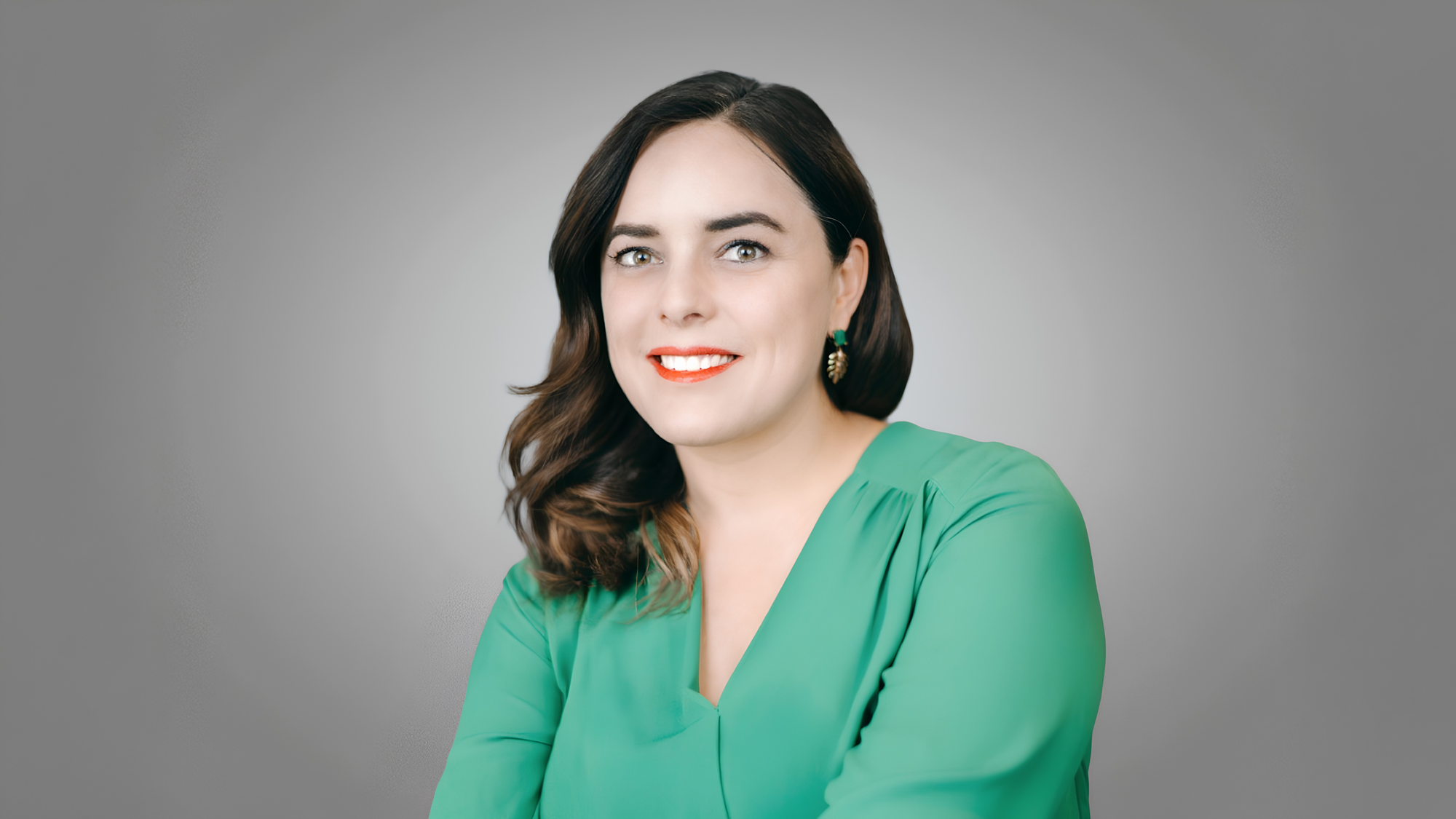
Laura Ortiz Montemayor does not fit into any of the usual venture capital categories, and that classification discomfort is, quite possibly, her greatest asset. She is not a traditional VC who pivoted toward impact, nor an executive who learned financial language to survive in investor boardrooms. She is something rarer: an intellectual who decided that capital was the most efficient lever to transform the economic systems that concern her, and who learned to speak financial language with a fluency that disarms those who expect to find only ideology where she brings analysis.
She spent eight years in the world of private banking and asset management—first at BBVA, then at Citi Banamex—before making what many in her circle described as a radical turn. But if you ask her, it wasn't a turn but a logical consequence: she reached the limits of what conventional capital could do and decided to redesign the vehicle. She co-founded SVX México, an impact investment advisory firm that over its years of operation has directed more than US$45 million toward regenerative economy strategies in Mexico, and from there she built one of the densest and most cross-cutting impact investment networks in the country. She has educated more than 4,000 Latin American investors on the principles of impact investing, founded the Mexico Impact Investing Steering Committee (AII MX) as part of the Global Steering Group (GSG), and is a founding member of ASEM. Certified in impact investing by Oxford, UCI, RiskMathics, ANDE, and NYU, her accumulation of credentials speaks to someone who takes no knowledge for granted.
Regenera Ventures Fund, which she co-manages with her partner Stevie Smyth, is the most concrete distillation of that entire journey. The thesis is highly specific: investing in the regenerative transition of rural Mexico, with an explicit gender lens and an approach that recognizes agricultural systems as complex ecosystems that cannot be transformed company by company, but rather territory by territory. The stated goal is to support 18,000 smallholder farmers working across more than 65,000 acres of regenerative land. The financing terms are co-created with the entrepreneurs—a model that breaks the traditional power asymmetry between capital and entrepreneur.
The inaugural fund is currently in the fundraising process with a consortium that includes Conservation International and the Reciprocity Fund from Beneficial Returns. The medium-term vision includes a second fund for Mexico and Colombia.
Mexico: An Engine of the Regional Ecosystem
What these twelve profiles reveal, as a whole, is something that figures alone cannot fully explain: Mexico is not simply the second-largest venture capital market in Latin America by volume of capital, but one of the ecosystems that has achieved the greatest diversity and sophistication in generating its managers. There are firms with fifteen years of experience and unicorns in their portfolio, second-generation funds with documented exits and real returns, and a new crop of GPs betting on verticals that global capital still underestimates, such as climate technology and gender-lens investing. This plurality is the result of people who decided to build an ecosystem when there was still no manual on how to do it.
Mexico's importance to Latin America goes beyond what its share of regional investment volume indicates. The Mexican ecosystem functions as a laboratory for structural problems shared across the entire region, possessed with a sufficient critical mass of talent, capital, and community to turn those problems into exportable business models. When a Mexican startup solves access to informal credit or energy management in rural communities, it rarely takes long to discover that the exact same problem exists in Bogotá, Lima, or Buenos Aires. This transferability of solutions makes Mexico a natural entry point for global capital seeking exposure to the region without starting from scratch in every market.
For the country, structural challenges such as the lack of exits or liquidity persist, and it would be naive to ignore them; however, the ecosystems that endure are not those that face no problems, but those that possess sufficient density to resolve them from within. Mexico, for the first time in its history as a venture capital ecosystem, has that density. It has veterans with an institutional track record, a middle generation with their own distinct investment theses, and a founder base that has already completed a cycle and is reinvesting in the next. The current moment is not the peak of something that has already passed. It is the foundation of something that is just beginning