TripWip Raises US$4.2 Million Seed Round to Expand in Mexico and Argentina
TripWip raises US$4.2 million in seed funding to expand its peer-to-peer car rental marketplace in Mexico and Argentina.


TripWip, a Uruguayan startup operating a peer-to-peer (P2P) car rental marketplace, has raised US$4.2 million in seed funding to strengthen its presence in Mexico and Argentina. Founded in 2023, the company connects vehicle owners with people looking to rent cars through a fully digital platform that manages bookings, payments, and identity verification.
TripWip’s Seed Round Brings Together Regional and Strategic Investors
The US$4.2 million round includes investment funds, angel investors, and industry operators with experience in emerging markets and Latin America’s mobility sector. According to reporting by Contxto, corroborated by coverage on LinkedIn, participants include Latin Leap, CrossBoundary, Yango Ventures, Promotora Social de México, Satrack Ventures, Epic Angels, and Angel Hub.
The round also attracted angel investors associated with Kavak, dLocal, Uber, Pedidos Ya, and Rappi, as well as automotive manufacturers associated with Toyota and Kia.
This investor mix reflects several of the main challenges facing a P2P marketplace: establishing trust between users, managing payment flows, and maintaining sufficient vehicle availability. Investors connected to payments, mobility, delivery, and automotive inventory bring experience across the different areas involved in scaling the business.
TripWip Reports 150,000 Registered Users and 3,000 Listed Vehicles
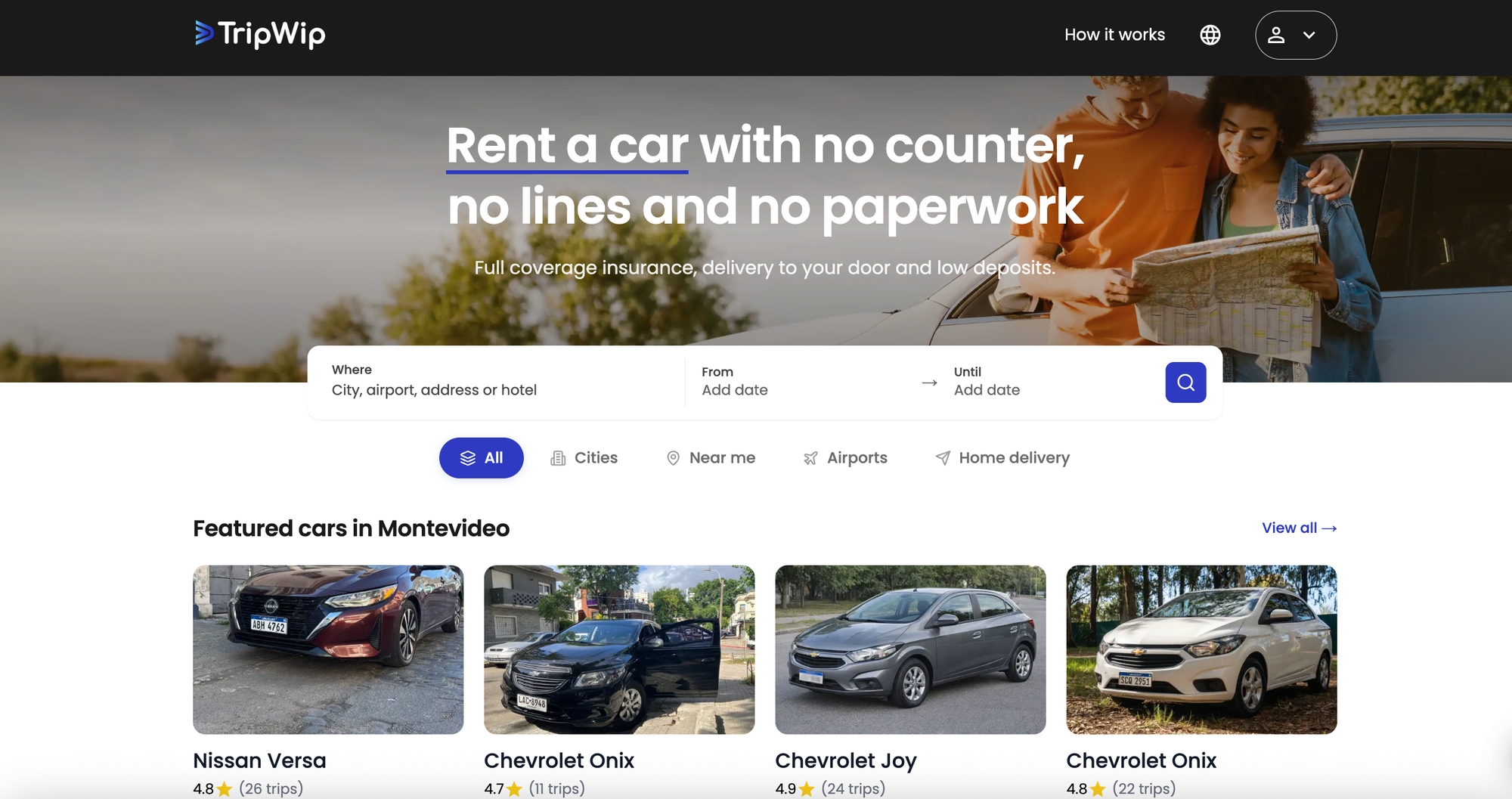
TripWip reports more than 150,000 registered users, over 60,000 rental days accumulated, and approximately 3,000 listed vehicles across its three markets. The company also reports fourfold year-over-year growth and an average rating of 4.8 stars.
Its current operating locations include Mexico City, Cancún, Playa del Carmen, Buenos Aires, Montevideo, Canelones, and Punta del Este.
The next stage of expansion will focus on adding destinations within its existing markets. In Argentina, TripWip plans to expand into Mendoza and Bariloche, while in Mexico, it is targeting Monterrey and Los Cabos. These destinations offer opportunities to address seasonal tourism demand that can put pressure on traditional car rental availability.
CEO Juan Manuel Pancic said the company aims to grow the business sixfold over the next 24 months. To achieve this target, TripWip plans to rely on technology and artificial intelligence to reduce operational friction.
How TripWip’s P2P Model Addresses Mobility Challenges in Latin America
TripWip’s business model is built around a straightforward premise: turning underused vehicles into a source of income for their owners while providing renters with a more flexible alternative to traditional car rental companies.
Private vehicles often remain parked for much of the day, representing unused capacity that a digital marketplace can bring into the rental market. However, peer-to-peer transactions also require mechanisms that make users comfortable renting from people they do not know.
Identity verification, user scoring, and insurance coverage are therefore central to the model. By addressing these concerns through its platform, TripWip seeks to make vehicle sharing more accessible and structured across its operating markets.
@tripwip.app Qué es TripWip? El equipo te lo describe a la perfección 🚙 #tripwip #alquilerdeautos #autos #viajes #equipo ♬ sonido original - TripWip.app
Market projections also point to opportunities in the broader mobility sector. According to IMARC Group, Latin America’s shared mobility market reached US$41.7 billion in 2025 and is projected to reach US$112.4 billion by 2034. Car sharing is identified as one of the segments gaining traction within this market.
The global P2P rental platform market is also expanding. ResearchAndMarkets reported that the market grew from US$734.81 million in 2025 to US$784.45 million in 2026, with projections reaching US$1.14 billion by 2032. This represents a compound annual growth rate (CAGR) of 6.53%.
The report highlights trust, seamless technology integration, and robust insurance products as key priorities for the sector. These factors are particularly relevant to regional marketplaces seeking to establish reliable operations and scale across different markets.
What TripWip’s Funding Round Signals About Venture Capital in Latin America
TripWip’s US$4.2 million seed round stands out as a significant financing operation for a mobility startup in the region. Bringing together seven investment funds alongside strategic angels from several industries demonstrates investor interest in businesses that can show measurable traction and a clear path to expansion.
For early-stage founders, the round highlights the importance of tracking both demand and supply. TripWip’s more than 150,000 registered users demonstrate audience reach, while its 3,000 listed vehicles provide an indication of the supply available through the platform. In a marketplace business, maintaining sufficient supply is essential to meeting demand and delivering a consistent user experience.
The participation of corporate-linked investors is another relevant aspect. Investors associated with companies such as Uber, Rappi, and Kavak can bring sector knowledge and potential commercial connections alongside capital. For a business expanding across countries, these relationships may be valuable as it develops partnerships and navigates different operating environments.
TripWip’s reported fourfold year-over-year growth, 4.8-star average rating, and more than 60,000 accumulated rental days also provide concrete indicators of its development. Together, these metrics help illustrate the traction behind the company’s fundraising and expansion plans.
Three Lessons for Startups Building P2P Marketplaces
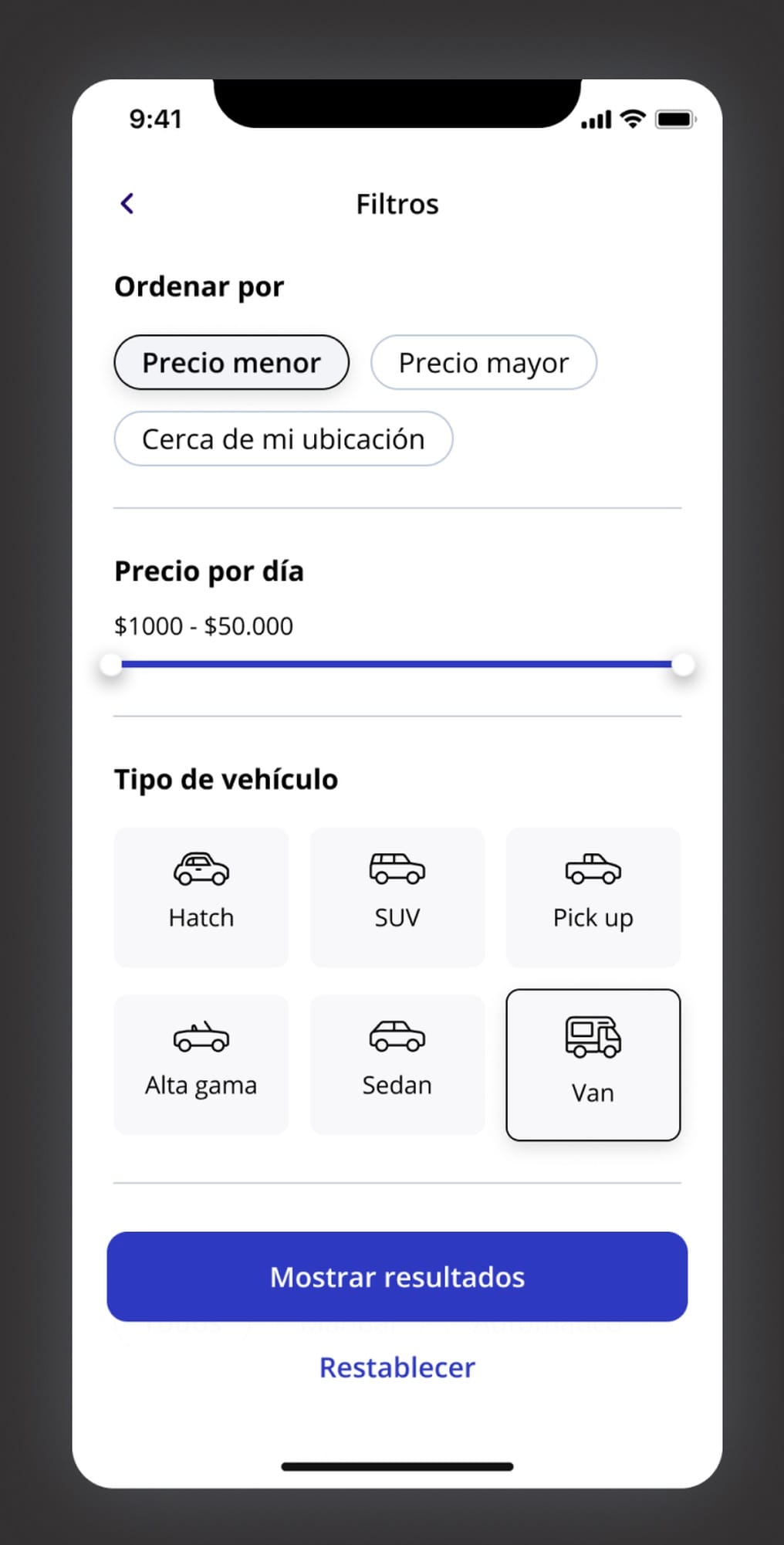
TripWip’s funding round offers several practical takeaways for founders developing peer-to-peer marketplaces across Latin America, whether in mobility, equipment rental, accommodation, or other categories.
1. Make supply a core performance indicator.
Marketplace performance depends on more than the number of registered users. TripWip’s 3,000 listed vehicles illustrate why founders should measure the availability of the products or services their platforms offer. Without sufficient supply, demand can be difficult to retain.
2. Build an investor base aligned with the sector.
TripWip’s investor group combines funds with different market perspectives, mobility-focused investors, and angels associated with companies across several industries. This approach can help founders build relationships relevant to their business model and expansion plans, while requiring careful management of the company’s capitalization table, or cap table.
3. Prioritize verifiable traction metrics.
Investors need measurable indicators of business performance. TripWip’s reported fourfold year-over-year growth, 4.8-star average rating, and 60,000-plus rental days offer specific metrics that can be assessed against the company’s operating data.
These indicators also provide a more concrete picture of performance than growth claims alone, helping investors evaluate whether a startup is developing a sustainable marketplace.
What Comes Next for TripWip?
TripWip’s new funding is intended to support its expansion in Mexico and Argentina, with new destinations planned in both countries and a target of multiplying the business by six within 24 months.
Beyond providing additional runway, the round brings together investors with experience in payments, mobility, delivery, and automotive markets. Their industry connections could become relevant as TripWip develops its operations, explores commercial partnerships, and expands its vehicle supply.
The company’s next phase will depend on its ability to translate its existing user base, vehicle inventory, and rental activity into continued growth while maintaining the trust and operational reliability required by a P2P marketplace.