Visa Expands Colombia Operations with New Global Solutions Center
Visa is expanding its presence in Colombia with a new Global Solutions Center in Bogotá that will grow to 2,000 employees while supporting the company's worldwide operations.


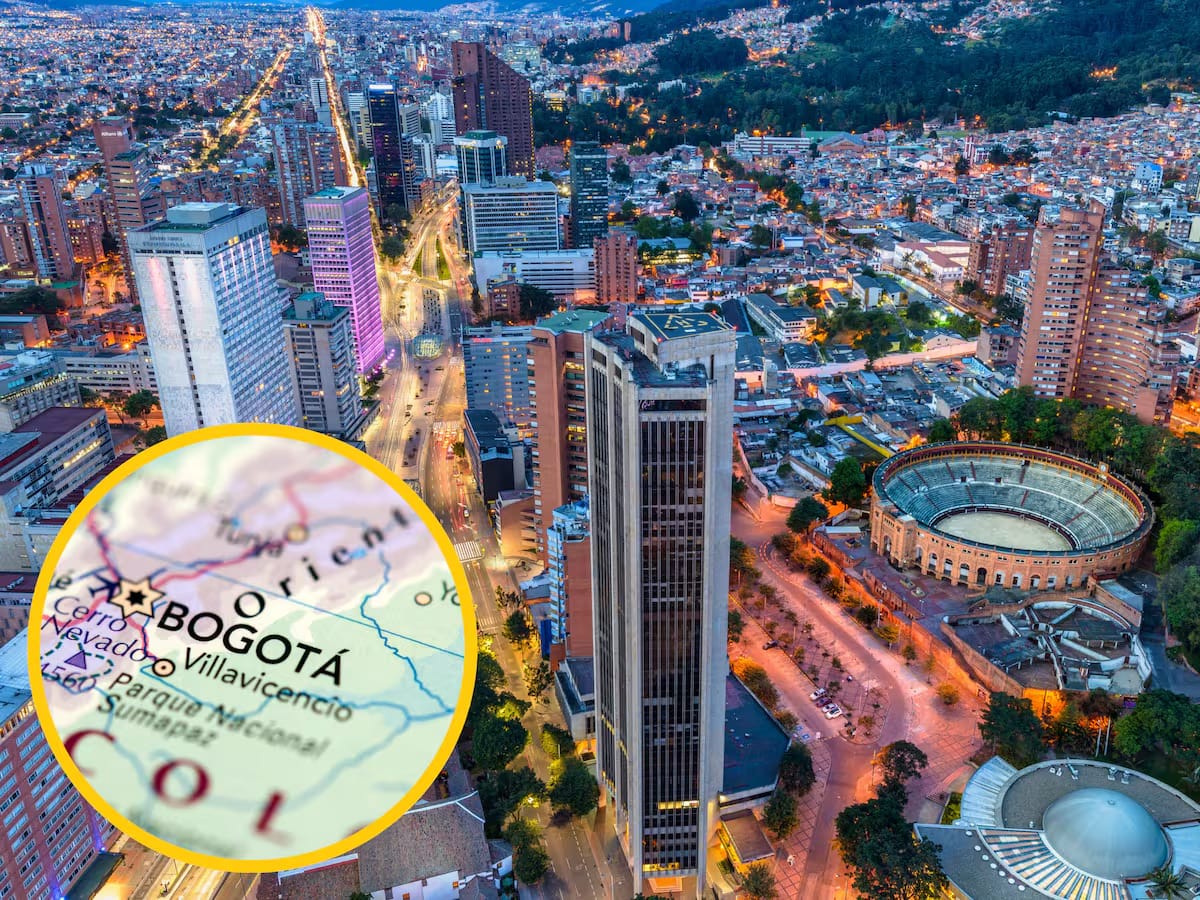
Visa is strengthening its long-term commitment to Colombia with the launch of a new Global Solutions Center in Bogotá. The facility will support the company's global operations, create up to 2,000 jobs in the coming years, and reinforce Colombia's position as a strategic destination for international technology investment.
Visa selects Bogotá as one of its global operations hubs
During a visit to Bogotá, Visa Global CEO Ryan McInerney announced that the company's new Global Solutions Center is already operating and has hired several hundred employees. The company plans to gradually expand the workforce until it reaches approximately 2,000 employees.
According to McInerney, the new center is far more than a traditional corporate office.
"A solutions center is one of four global locations that provide services to Visa around the world."
He explained that Bogotá was selected after evaluating potential locations across multiple continents.
"We looked at locations around the world, but the data, the facts, and the opportunity brought us back to Bogotá."
Talent and economic potential drove Visa's investment decision
McInerney highlighted two key reasons behind Visa's decision to establish the center in Colombia: the country's highly skilled workforce and its favorable business environment.
He emphasized the availability of young professionals with strong technological capabilities and described Colombia as an economy that welcomes investment from global companies.
The executive also shared his experience meeting with the employees already hired for the project.
"Their energy, enthusiasm, and excitement about building and growing this center here in Bogotá is incredible."
Beyond the new operations center, Visa continues to see significant business opportunities in Colombia, particularly through the ongoing transition from cash transactions to digital payments.
According to McInerney, the amount of cash still circulating in the Colombian economy represents one of the company's largest growth opportunities worldwide.
At a global level, Visa continues to experience steady business growth, processing more than US$10 trillion in annual payment volume while maintaining annual payment growth rates between 10% and 11%, despite global economic uncertainty.
Artificial intelligence is shaping the future of payments
A significant portion of the discussion focused on artificial intelligence, which McInerney believes will fundamentally transform commerce through what he described as agentic commerce.
Under this vision, AI-powered agents will be able to search for products, compare options, and complete purchases on behalf of consumers using secure payment credentials.
"I believe we will all have agents capable of shopping, purchasing, and ultimately paying on our behalf."
Visa is already developing AI-ready payment credentials that would allow users to authorize intelligent agents to make purchases within predefined limits and permissions.
To support this strategy, Visa recently partnered with OpenAI as part of its Visa Intelligent Commerce platform. While OpenAI provides the conversational interface, Visa contributes its payment network, tokenization technology, and fraud management capabilities to enable secure AI-powered transactions.
According to McInerney, building consumer trust remains one of the biggest challenges as AI becomes increasingly involved in financial transactions.
"The wonderful thing about being a Visa cardholder is that you're protected. If something goes wrong in the physical world, you're protected. If something goes wrong in the world of agents, you're protected."
To reinforce that security, Visa is developing several new technologies, including an Agent Directory that helps merchants verify legitimate AI agents and distinguish them from fraudulent bots.
The company is also investing in a Large Transaction Model, a language model trained on billions of payment transactions to improve fraud detection while reducing legitimate payment declines, ultimately helping merchants increase successful sales.
McInerney noted that these technologies are still in their early stages but have already demonstrated meaningful results.

Visa sees stablecoins as an opportunity for global payments
McInerney also discussed the company's approach to stablecoins, describing the technology as still being in its early stages but expressing confidence in its long-term potential.
He identified cross-border payments, remittances, business-to-business transactions, and access to U.S. dollar-denominated accounts as some of the areas where stablecoins could deliver meaningful value.
Visa already issues payment cards connected to stablecoin balances, allowing customers to spend digital assets wherever Visa is accepted.
The company also uses stablecoins to settle transactions across its network of more than 14,500 financial institutions in approximately 200 countries, moving funds at an annualized rate close to US$7 billion through VisaNet.
Rather than viewing blockchain-based technologies as competitive threats, McInerney said Visa intends to continue integrating emerging innovations into its existing payment ecosystem.
Latin America remains central to Visa's growth strategy
McInerney described Latin America as an exceptionally important region for Visa, pointing to its young, digitally connected population and the continued prevalence of cash payments, particularly among small businesses.
To accelerate payment digitization, Visa is promoting solutions such as Visa Accept, which enables merchants to transform their smartphones into payment terminals using their existing debit cards, eliminating the need for additional hardware.
According to the executive, expanding digital payment acceptance while increasing the number of payment credentials available to consumers will continue driving economic growth across the region.
Looking ahead, McInerney expects digital credentials integrated into smartphones and connected devices to gradually replace traditional physical payment cards.
He also reaffirmed Visa's commitment to Colombia, stating that the company remains optimistic about the country's future and intends to continue investing in its long-term development.
"We're very excited about Colombia's future, and we're very excited to invest and build in Colombia."

Leadership centered on local markets
McInerney described his leadership philosophy as "leading from behind," arguing that Visa's most important leaders are those working directly in local markets rather than at the company's headquarters.
He explained that his role is to spend time with regional teams, understand their challenges firsthand, and advocate for the changes they need to better serve customers.
The CEO also emphasized an open management culture, encouraging employees throughout the organization to contact him directly by email, WhatsApp, or in person to share ideas, concerns, or differing perspectives.
Visa supports this approach through twelve publicly available leadership principles designed to promote authenticity, trust, inclusion, and aspirational leadership across the organization.