Six Ways Investors and Institutional Capital Can Provide Long-Term Support to Venezuela
From CAF's recovery fund to infrastructure projects and NGO partnerships, discover six ways investors can help drive Venezuela's long-term recovery after the 2026 earthquakes.

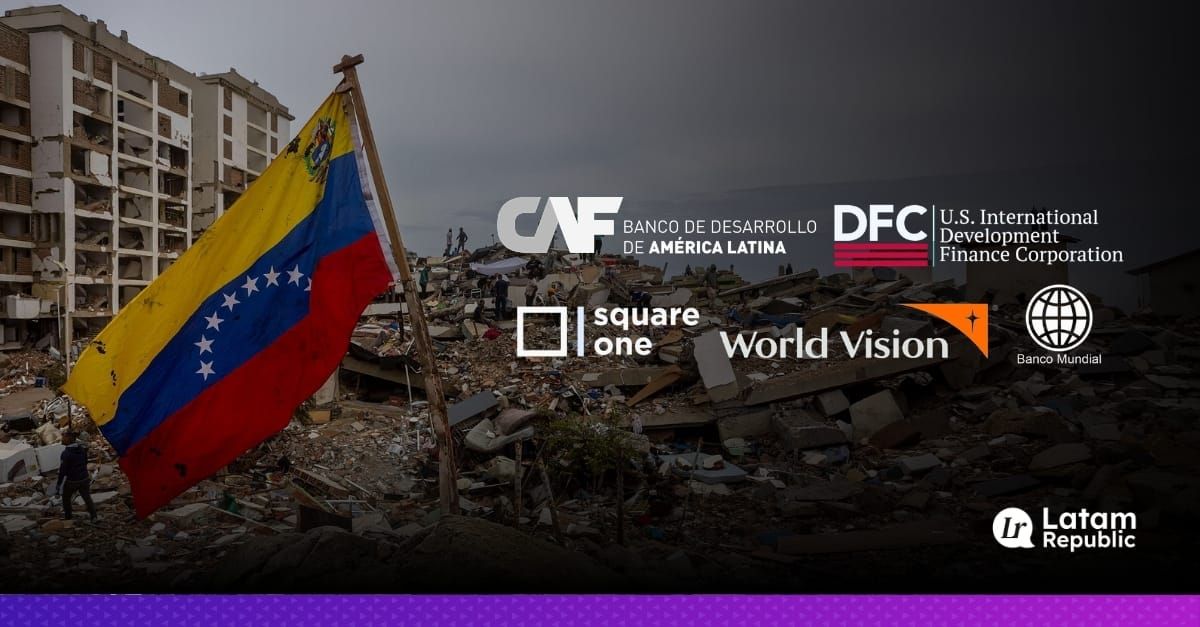
On June 24, 2026, two powerful earthquakes measuring 7.2 and 7.5 struck northern Venezuela just 39 seconds apart. The impact was devastating: more than 1,430 people were killed, 3,150 were injured, and 12,721 families were displaced, according to the latest official figures. The United Nations Development Programme (UNDP) estimates direct physical damage at USD 6.7 billion, equivalent to approximately 6% of Venezuela's GDP. Meanwhile, the U.S. Geological Survey (USGS) projects total economic losses could reach US$ 100 billion when indirect effects on an economy already weakened by decades of crisis are included.
Emergency response efforts—including search and rescue, clean water, and medical assistance—are already underway. But meaningful recovery will take years. These six avenues are designed for investors, institutions, and organizations looking to make a lasting impact.
1. Invest Through the CAF Recovery Fund
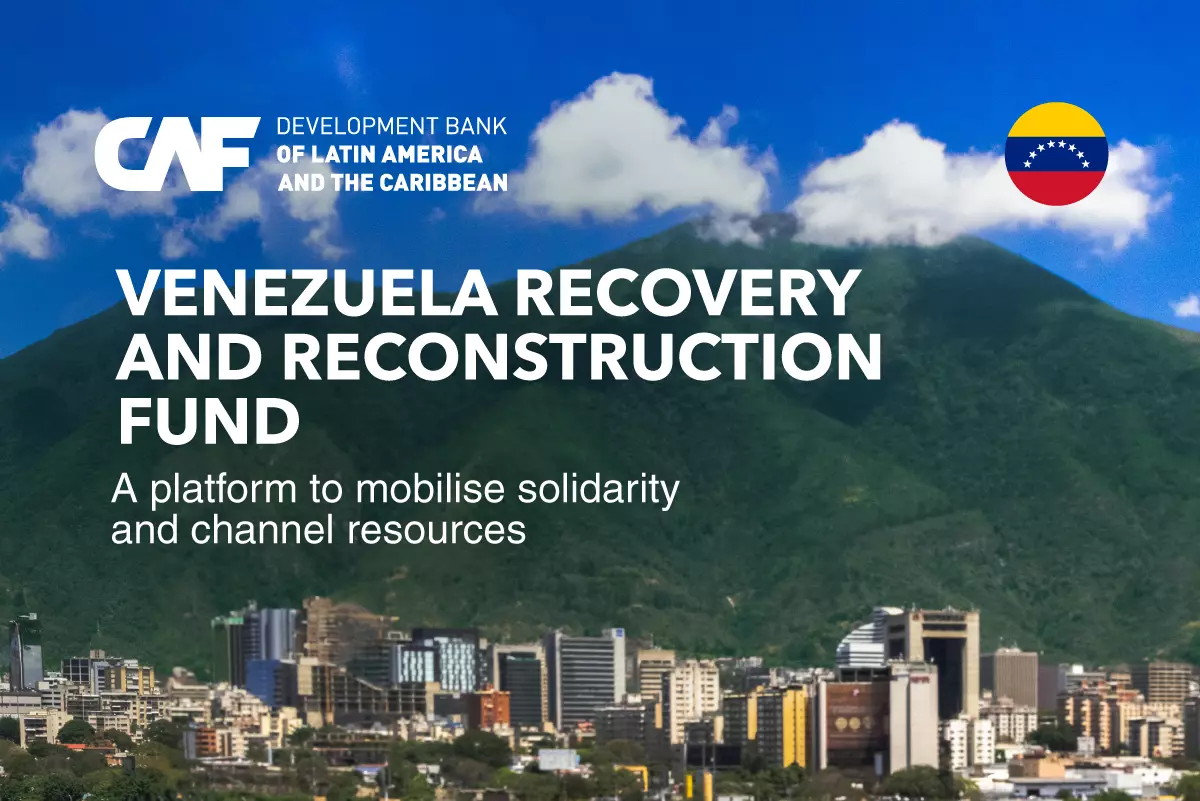
The Development Bank of Latin America and the Caribbean (CAF) has established the Venezuela Recovery and Reconstruction Fund, a multi-donor facility of up to USD 200 million designed to channel public, private, and international resources toward rebuilding the country.
The fund operates across three phases: emergency response, restoration of essential services, and resilient reconstruction with seismic-resistant infrastructure.
For the private sector, the fund offers several key advantages. CAF charges no administrative fees, provides full public traceability of every dollar invested, and accepts contributions in both U.S. dollars and euros from companies, foundations, governments, and institutional donors.
For organizations seeking measurable impact and transparent governance, this is currently the most robust mechanism available.
2. Support NGOs with Verified Local Operations
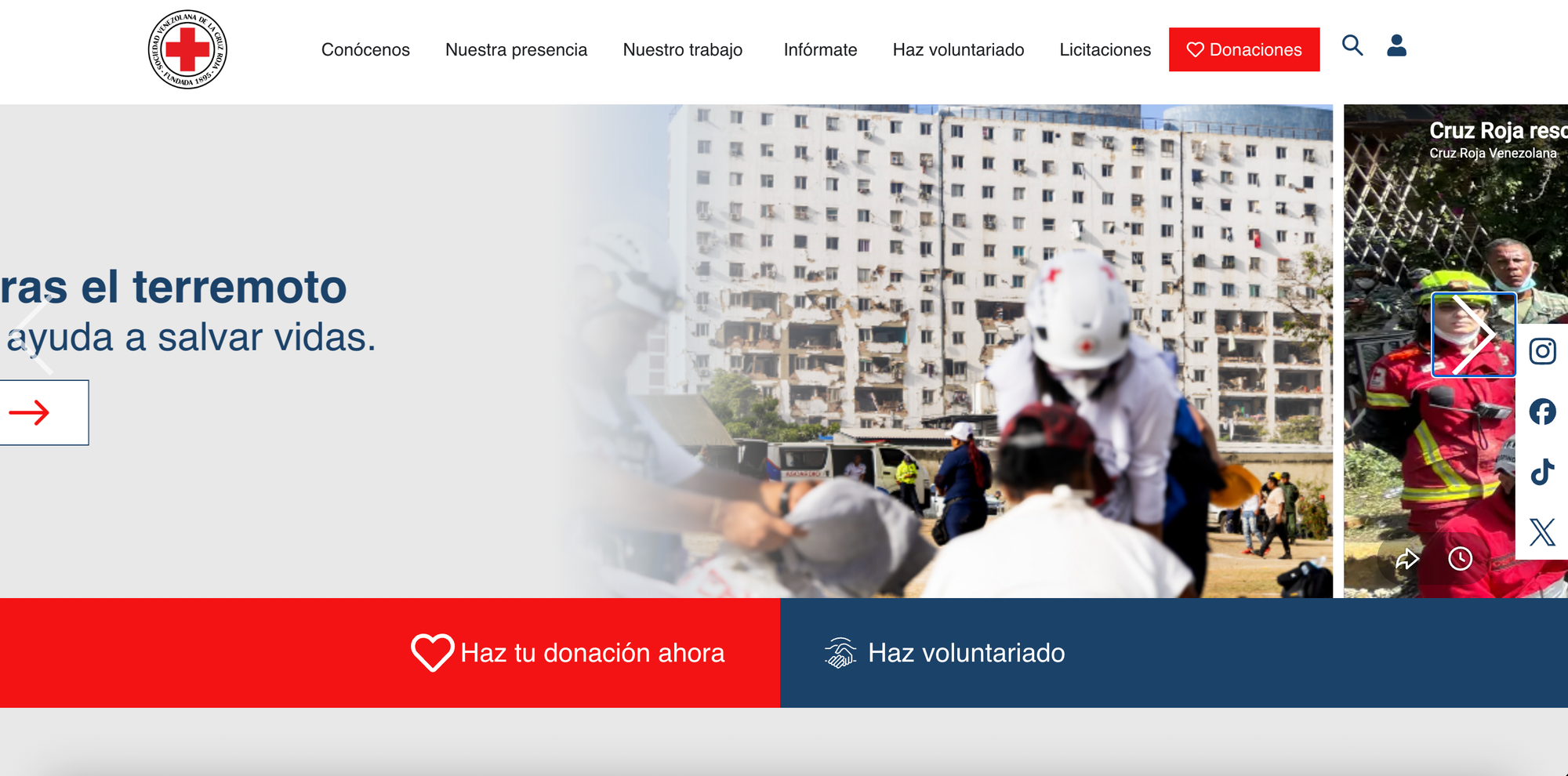
Organizations with established logistics and operational capacity inside Venezuela are significantly more effective than uncoordinated shipments of donated goods.
Three trusted organizations currently operating on the ground include:
- Venezuelan Red Cross, providing emergency medical care, water, and shelter.
- Caritas Venezuela, focused on vulnerable families and children.
- World Vision Venezuela, prioritizing child protection, hygiene kits, and psychosocial support for affected communities.
The U.S. Embassy has advised donors to verify the legitimacy of organizations before contributing, as fraudulent fundraising campaigns often emerge after major disasters.
Cash donations directed through reputable humanitarian organizations remain the most flexible and efficient form of assistance.
3. Strengthen Diaspora Remittance Networks
Nearly seven million Venezuelans live outside the country. Following the earthquakes, Venezuelan communities in Miami and other U.S. cities quickly mobilized to support relatives back home.
Remittances represent the fastest and most direct flow of financial assistance to affected households. Financial institutions and fintech companies have a clear opportunity to contribute by:
- lowering transfer fees,
- expanding payment coverage to remote regions beyond Caracas,
- offering emergency pricing and preferential transfer conditions.
Cross-border payment companies, credit unions, and Latin American banks operating in Venezuela can generate immediate impact. The Venezuelan-American Chamber of Commerce also serves as a coordinating platform for relief efforts.
4. Participate in Infrastructure Projects Through the World Bank and DFC
The U.S. government has authorized transactions related to humanitarian relief that were previously restricted under sanctions, creating an important legal pathway for reconstruction activities.
Private-sector companies interested in long-term rebuilding have two primary channels:
- The World Bank Project Portal, which publishes current and upcoming procurement opportunities related to reconstruction.
- The U.S. International Development Finance Corporation (DFC), which accepts proposals for privately led development projects.
Even before the earthquake, the Venezuelan Chamber of Construction had estimated the country's infrastructure reconstruction needs at approximately US$ 185 billion over the next twelve years. The disaster has dramatically accelerated those needs.
Construction firms, engineering companies, and energy developers with experience operating in complex environments now face a long-term opportunity unlike any previously available.
5. Transfer Knowledge and Technology for Seismic Resilience
Venezuela sits in an active seismic zone, yet much of its infrastructure was not built to withstand major earthquakes. Experts agree that the scale of the disaster reflects not only the strength of the earthquakes but also decades of structural vulnerability. Rebuilding without addressing those weaknesses would simply recreate the same risks.
This creates an opportunity for organizations whose primary asset is not capital but expertise. Universities, seismic engineering institutes, technology companies, and disaster-risk organizations can contribute through:
- seismic engineering training,
- updated construction standards,
- early-warning systems,
- urban resilience planning,
- digital risk mapping.
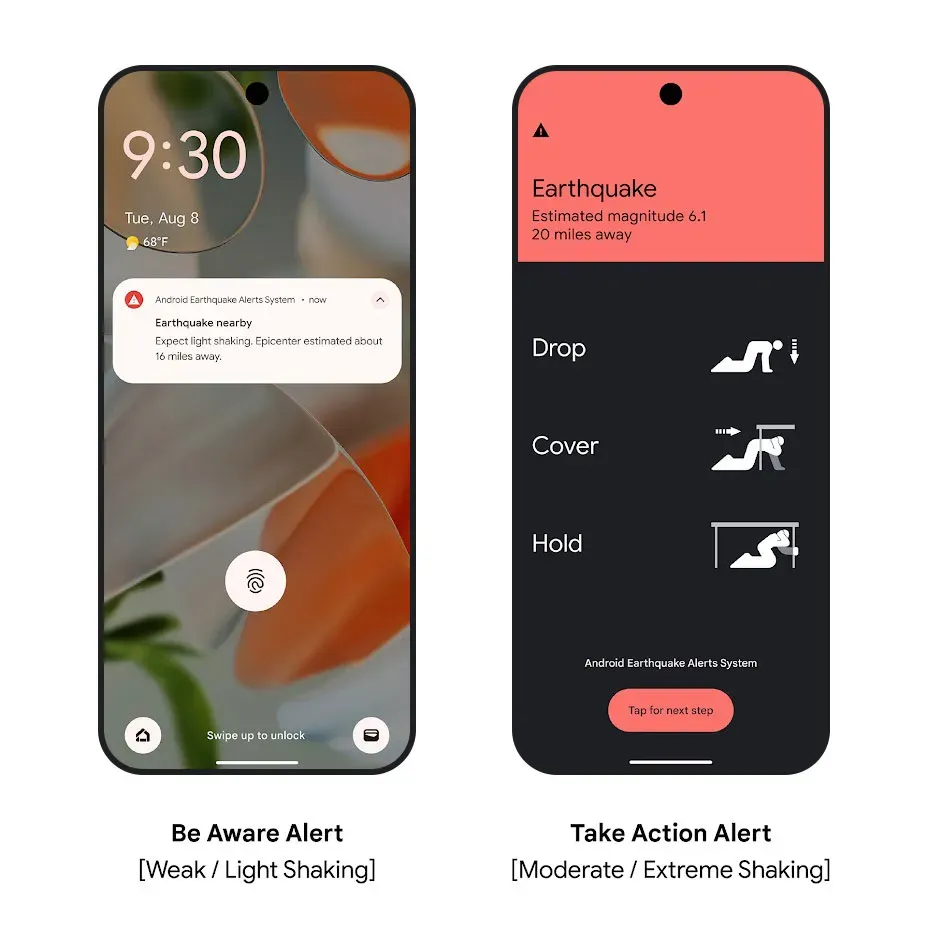
Google's Android Earthquake Alerts System, which issued warnings seconds before the shaking reached many users, demonstrated that technology can save lives even where public infrastructure is limited.
Scaling similar solutions, from early warning systems to resilient architecture, can deliver benefits that last for generations.
6. Donate Through SquareOne Capital's 1:1 Matching Initiative
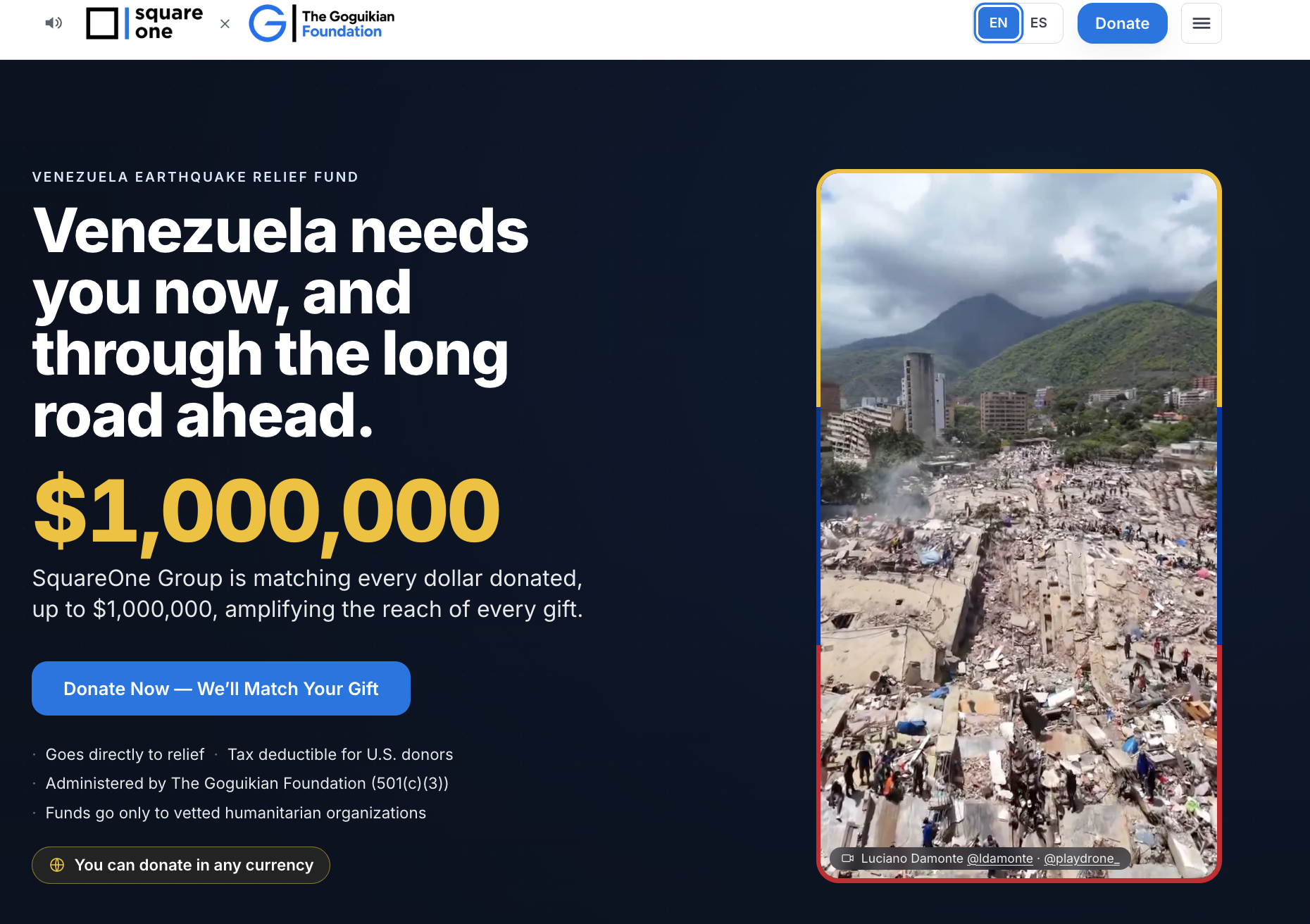
One of the most significant private-sector initiatives has been launched by SquareOne Group, which is matching every donated dollar up to US$ 1 million. Under this model, every individual contribution is automatically doubled, effectively multiplying its impact without requiring any additional action from donors.
Funds are received and administered by Goguikian Foundation USA Inc., a U.S.-based 501(c)(3) nonprofit organization, making donations tax-deductible for eligible U.S. taxpayers. SquareOne Group and the Foundation jointly oversee fund allocation with a stated commitment to full transparency and direct operational presence in Venezuela. Importantly, 100% of donated funds are directed to humanitarian organizations working on the ground.
What distinguishes this initiative is its leadership. Rather than an anonymous crowdfunding platform, it is backed by a group with more than four decades of experience and longstanding ties to Venezuela. For donors who prioritize accountability and clear oversight, this initiative offers a trusted channel.
The Time to Act Is Now—but with a Long-Term Perspective
Emergency response naturally captures the world's attention. Yet true recovery begins after the headlines fade.
According to the United Nations, approximately 8 million people in Venezuela already required humanitarian assistance before the earthquakes struck.
The scale of reconstruction is enormous, but the mechanisms to support it already exist: transparent multilateral funds, experienced humanitarian organizations, established remittance networks, and legal frameworks that enable private-sector participation.
The difference between symbolic support and lasting impact lies in consistency—and in choosing the right channel.